
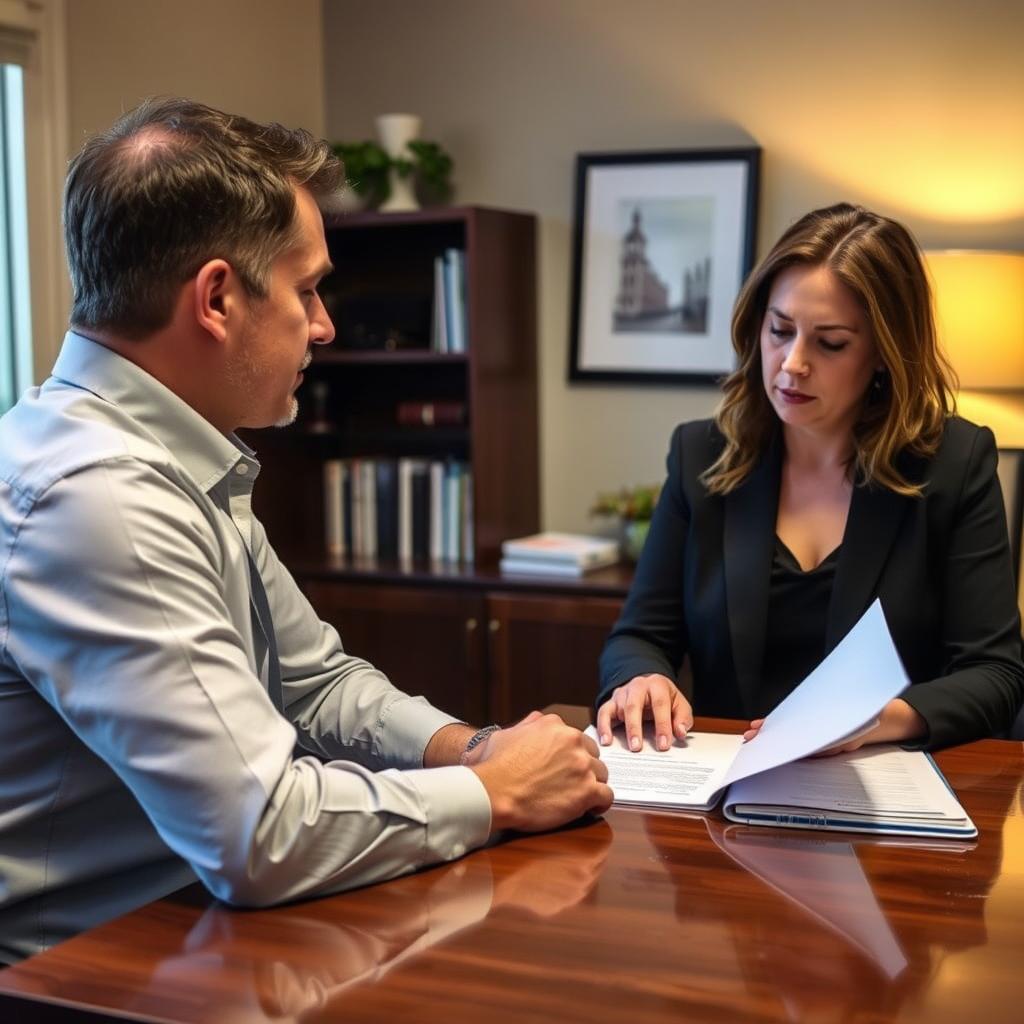
What is the difference between legal separation and divorce in Hampton
In Virginia, legal separation is not a separate court procedure. It is a factual state: you and your spouse live apart, either under the same roof in separate lives or in different residences. A divorce, by contrast, is a court order that ends the marriage and resolves issues like property division, support, and custody. Many people in Hampton who search for a legal separation are actually looking for a separation agreement—a written contract that settles financial and parenting matters while the marriage remains legally intact. That agreement can later be incorporated into a divorce decree if you choose to move forward. Hampton Circuit Court has exclusive jurisdiction over divorce actions; a complaint for divorce must demonstrate that one spouse has been a Virginia resident for at least six months and that a statutory ground exists. For no-fault divorce, Virginia requires a one-year separation period (or six months if you have no minor children and have signed a separation agreement). To talk through your specific situation, reach Law Offices Of SRIS, P.C. at (888) 437-7747. Law Offices Of SRIS, P.C. – Advocacy Without Borders.
Direct Answer: Legal Separation vs. Divorce in Virginia
Legal separation, as it exists in some other states, is not a court status in Virginia. There is no “action for legal separation” that a judge can grant. Instead, “separation” in Virginia refers to living separate and apart, either in different homes or under the same roof while experienced separate lives. During this period, spouses may enter a separation agreement that resolves property division, spousal support, child custody, and other concerns. The agreement creates legally enforceable obligations, but it does not end the marriage. A divorce, on the other hand, is the legal dissolution of the marriage by a circuit court. Once a final decree of divorce is entered, the parties are free to remarry and their marital property rights are permanently divided under equitable distribution principles. In Hampton, the divorce complaint is filed with the Hampton Circuit Court, and the separation period—satisfied by living apart and, if applicable, signing an agreement—serves as the no-fault ground that allows the court to grant the divorce.
For many individuals considering their options, the central question is whether to begin with a separation agreement or proceed directly to divorce. A separation agreement can be a practical step that allows you to establish financial and custodial stability while you meet the statutory waiting period. It can also be negotiated without court intervention, which often reduces conflict. If you later decide to divorce, the agreement can be incorporated into the final decree, streamlining the process. Because separation and divorce carry distinct legal consequences, understanding the difference helps you make informed decisions about your next steps.
Frequently Asked Questions
Does Virginia recognize legal separation?
Virginia does not have a formal “legal separation” court proceeding. Instead, separation is a factual state of living apart. Spouses can sign a separation agreement to resolve their affairs. That agreement is enforceable as a contract but does not dissolve the marriage. A divorce, filed in the circuit court, is required to end the marriage. Reach our Richmond location at (888) 437-7747 to discuss drafting a separation agreement.
What is the difference between separation and divorce in Virginia?
Separation means living apart; divorce legally ends the marriage. During separation, the marriage remains intact and neither spouse can remarry. A separation agreement can resolve custody, support, and property issues, but only a divorce decree finally divides marital property and terminates the marital relationship. In Virginia, a period of separation—one year, or six months with a signed agreement and no minor children—serves as the no-fault ground for divorce. The Hampton Circuit Court handles divorce filings.
Do I need a separation agreement before filing for divorce in Virginia?
You are not required to have a separation agreement before filing for divorce, but it can simplify a no-fault divorce. If you have no minor children and want to use the six-month separation ground, you must have a written separation agreement. For the one-year ground, no agreement is necessary, though having one can resolve disputes and reduce litigation. An agreement can cover property division, support, and parenting, making the divorce process more predictable. An experienced attorney can help you decide whether an agreement is right for your situation.
How long must I be separated before filing for divorce in Virginia?
Virginia law requires one year of separation, or six months if you have no minor children and a signed separation agreement. The one-year ground (Va. Code § 20-91(9)(a)) applies in all other cases. The clock starts when at least one spouse intends the separation to be permanent and you stop cohabiting. Living under the same roof while maintaining separate lives can still qualify. Once the statutory period is met, you can file a no-fault divorce complaint with the Hampton Circuit Court.
Can I date while separated in Virginia?
Dating while separated is not a legal barrier to divorce, but it can affect fault-based grounds and spousal support. Virginia still recognizes fault-based grounds like adultery. If you engage in sexual relations with someone other than your spouse during the separation, you risk an adultery claim. That can impact the divorce timeline (adultery has no waiting period) and may influence the court’s decisions on spousal support. It is wise to consult an attorney before starting a new relationship during separation.
What is a separation agreement in Virginia?
A separation agreement is a contract between spouses that resolves the issues arising from their separation. It can address property division, spousal support, child custody, parenting time, and more. Once signed, it is binding as a contract. In a later divorce, the court can incorporate the agreement into the final decree, making it enforceable as a court order. Because it affects your legal rights, a separation agreement should be drafted with the help of counsel to ensure it reflects your interests and complies with Virginia law.
How does a separation agreement affect property division in Hampton?
A separation agreement can classify and divide marital property, avoiding litigation over equitable distribution. In Virginia, marital property is all property acquired during the marriage except by gift or inheritance. Equitable distribution does not necessarily mean equal, and courts consider statutory factors. A well-drafted separation agreement allows spouses to decide the division themselves rather than leaving it to a judge. Once incorporated into a divorce decree, the agreement’s property terms are final.
Can I get a divorce without a separation agreement in Hampton?
Yes, a divorce can be granted without a separation agreement. The one-year separation ground does not require an agreement. You simply need to live separate and apart for the required time and have one corroborating witness. If you and your spouse cannot agree on terms, the court will resolve contested issues after a hearing. An attorney can guide you through the contested divorce process in Hampton Circuit Court.
How do I start the divorce process in Hampton?
Start by consulting an experienced family law attorney who can evaluate your situation and explain your options. You will need to gather financial information, discuss your goals for custody and support, and decide whether to pursue a separation agreement. If you file for divorce, the complaint is filed with the Hampton Circuit Court. The process involves pleadings, possible motions for temporary relief, discovery, and negotiation. Mr. Sris and his Of Counsel can help you navigate each step. Reach Law Offices Of SRIS, P.C. at (888) 437-7747.
What court handles divorce and separation matters in Hampton?
Hampton Circuit Court has exclusive jurisdiction over divorce, equitable distribution, and spousal support. The Hampton Juvenile and Domestic Relations District Court handles custody, visitation, and child support when those issues arise outside a divorce proceeding. For a typical divorce involving property division, you file in the Circuit Court. The court is located at 236 North King Street, Hampton, VA. By appointment, our Richmond location represents clients in Hampton proceedings.
How Mr. Sris and His Of Counsel Can Help in Hampton
Mr. Sris, Owner and Founder of Law Offices Of SRIS, P.C., has practiced law since 1997 and is admitted in Virginia, Maryland, the District of Columbia, New Jersey, and New York. A former prosecutor, he brings a practical understanding of the legal system to family law, including separation agreements and divorce. His Of Counsel team brings additional depth to complex property division and custody matters. The firm’s Richmond location—by appointment only—serves clients in Hampton and the surrounding communities. To schedule a consultation, call (888) 437-7747.
Fairfax County family law •
Fairfax City family law •
Falls Church family law •
Prince William County family law •
Manassas family law
Attorney advertising. Prior results do not guarantee a similar outcome.
Results may vary.
Case results depend on a variety of factors unique to each case.