
Note: This article is confirmed by Law Offices Of SRIS, P.C.
WRITTEN BY: Mr. Sris
Since 1997, Mr. Sris has led the firm, focusing on the most challenging criminal and family law cases. His background in accounting and information management aids in financial and technology-related cases. Involved in significant legislative changes in Virginia. Mr. Sris is licensed in Virginia, Maryland, District of Columbia, New Jersey, and New York.
Restraining Order Lawyer Fairfax VA
What is a restraining order
A restraining order is a legal document issued by a court that restricts one person’s ability to contact or approach another person. These orders serve as protective measures for individuals facing threats, harassment, or potential harm. In Virginia, the legal system provides several types of protection orders designed for different situations and relationships.
The process begins with filing a petition at the appropriate courthouse. This document outlines the reasons protection is needed, including specific incidents and evidence. Courts review these petitions to determine if immediate temporary protection is warranted while scheduling a full hearing. At the hearing, both parties present their positions, and the judge decides whether to issue a longer-term order.
Virginia recognizes different categories of protection orders. Emergency protective orders provide immediate, short-term protection in urgent situations. Preliminary protective orders offer temporary protection while awaiting a full hearing. Protective orders provide longer-term solutions, typically lasting up to two years with possible extensions. Each type serves specific purposes with different requirements and durations.
Legal professionals understand the requirements for obtaining and maintaining these orders. They help gather necessary evidence, complete paperwork correctly, and present cases effectively in court. Proper documentation and presentation significantly impact court decisions regarding protection orders.
Real-Talk Aside: These orders provide legal boundaries, but enforcement depends on proper documentation and reporting violations to authorities.
How to obtain a protection order
The process for obtaining a protection order in Virginia follows established legal procedures. Individuals begin by visiting the appropriate courthouse to file a petition. This document requires detailed information about the parties involved, their relationship, and specific incidents necessitating protection. Courts provide forms, but completing them accurately requires attention to detail.
After filing, a judge reviews the petition to determine if immediate protection is needed. If granted, an emergency protective order may be issued for a short period, typically 72 hours. This provides immediate safety while scheduling a full hearing. For less urgent situations, courts may schedule hearings without issuing temporary orders first.
At the hearing, both parties have the opportunity to present their cases. The petitioner explains why protection is necessary, presenting evidence such as documentation, photographs, or witness statements. The respondent may present counterarguments or explanations. Judges consider all evidence before deciding whether to issue a protective order.
Successful petitions result in orders specifying prohibited conduct. These may include no-contact provisions, stay-away requirements, or other restrictions. Orders typically last up to two years but can be extended if circumstances warrant continued protection. Violations of these orders carry legal consequences, including potential criminal charges.
Real-Talk Aside: Court procedures require specific documentation and adherence to timelines. Missing steps or deadlines can delay protection.
Can I get legal help for domestic violence situations
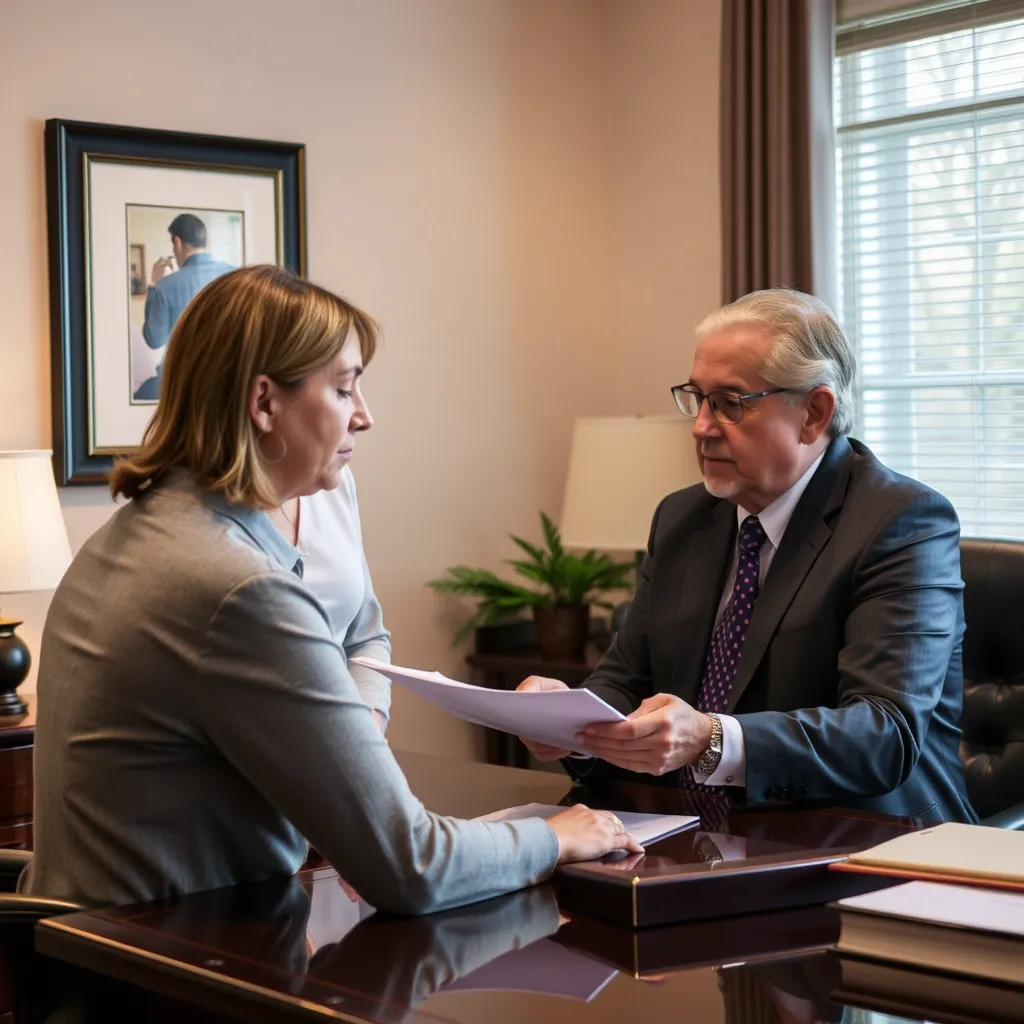
Individuals facing domestic violence situations can obtain legal help to address safety concerns and legal rights. Legal professionals provide guidance on available options, including protection orders, criminal complaints, and safety planning. They help understand the legal system’s response to domestic violence and handle court procedures effectively.
Legal assistance begins with assessing the situation and immediate safety needs. Lawyers help document incidents, gather evidence, and understand available legal remedies. They explain different types of protection orders and which might be appropriate based on specific circumstances. This includes emergency protective orders for immediate danger and longer-term solutions for ongoing safety concerns.
Beyond protection orders, legal help addresses related matters that often accompany domestic violence situations. This may include family law issues like custody arrangements, divorce proceedings, or property matters. Lawyers coordinate with other professionals, such as counselors or social workers, to provide comprehensive support during difficult circumstances.
Court representation is a significant aspect of legal help. Lawyers prepare cases, present evidence effectively, and advocate for clients’ safety needs. They understand how to present domestic violence situations in ways that courts recognize as requiring protective measures. This includes knowing what evidence carries weight and how to document patterns of behavior that demonstrate ongoing risk.
Real-Talk Aside: Legal help provides structure during chaotic situations. Having professional guidance reduces uncertainty about next steps.
Why hire legal assistance for protection matters
Obtaining legal assistance for protection matters offers several benefits that can significantly impact outcomes. Legal professionals bring knowledge of court procedures, evidence requirements, and presentation strategies that individuals may lack. They understand what courts look for in protection order cases and how to present information effectively.
Lawyers help gather and organize evidence properly. They know what documentation carries weight in court, how to obtain necessary records, and how to present incidents in ways that demonstrate patterns or ongoing risk. This includes helping clients document incidents accurately, obtain witness statements when available, and preserve evidence that might otherwise be overlooked.
Court representation provides advocacy during hearings. Lawyers present cases clearly, respond to judicial questions, and address counterarguments effectively. They understand legal standards for granting protection orders and how to meet those standards through evidence and argument. This professional representation can make the difference between obtaining necessary protection and having requests denied.
Beyond immediate court proceedings, legal assistance helps with enforcement and modifications. Lawyers explain how to report violations properly, what constitutes a violation, and how courts handle enforcement proceedings. They also assist with extending orders when necessary or modifying terms as circumstances change over time.
Real-Talk Aside: Professional help increases the likelihood of obtaining appropriate protection. Lawyers know how courts evaluate these cases.
FAQ:
What types of protection orders exist in Virginia?
Virginia offers emergency, preliminary, and protective orders. Each serves different purposes with varying durations and requirements based on circumstances.
How long does obtaining a protection order take?
Emergency orders can be issued immediately. Full hearings typically occur within 15 days of filing, depending on court schedules.
What evidence helps obtain a protection order?
Documentation of incidents, photographs, messages, witness statements, and police reports provide supporting evidence for protection requests.
Can protection orders be extended?
Yes, protective orders typically last up to two years but can be extended if circumstances warrant continued protection.
What happens if someone violates a protection order?
Violations should be reported to law enforcement. Courts may impose penalties including fines or jail time for violations.
Do I need a lawyer for a protection order hearing?
While not required, legal representation helps present cases effectively and understand court procedures and requirements.
What costs are involved in obtaining protection orders?
Filing fees may apply, but waivers are available for qualifying individuals. Legal representation costs vary by firm and case challenge.
Can protection orders address child safety concerns?
Yes, orders can include provisions regarding children, including custody arrangements and protection measures for their safety.
What if I need protection immediately?
Emergency protective orders provide immediate, short-term protection. Law enforcement can assist with obtaining these in urgent situations.
How do protection orders affect employment or housing?
Orders typically don’t directly affect employment or housing, but parties should consider practical implications of restricted contact.
Can protection orders be modified?
Yes, courts can modify order terms if circumstances change significantly since the original order was issued.
What if I move to another state with a protection order?
Virginia orders can be registered in other states under the Full Faith and Credit provision of federal law.
Past results do not predict future outcomes