
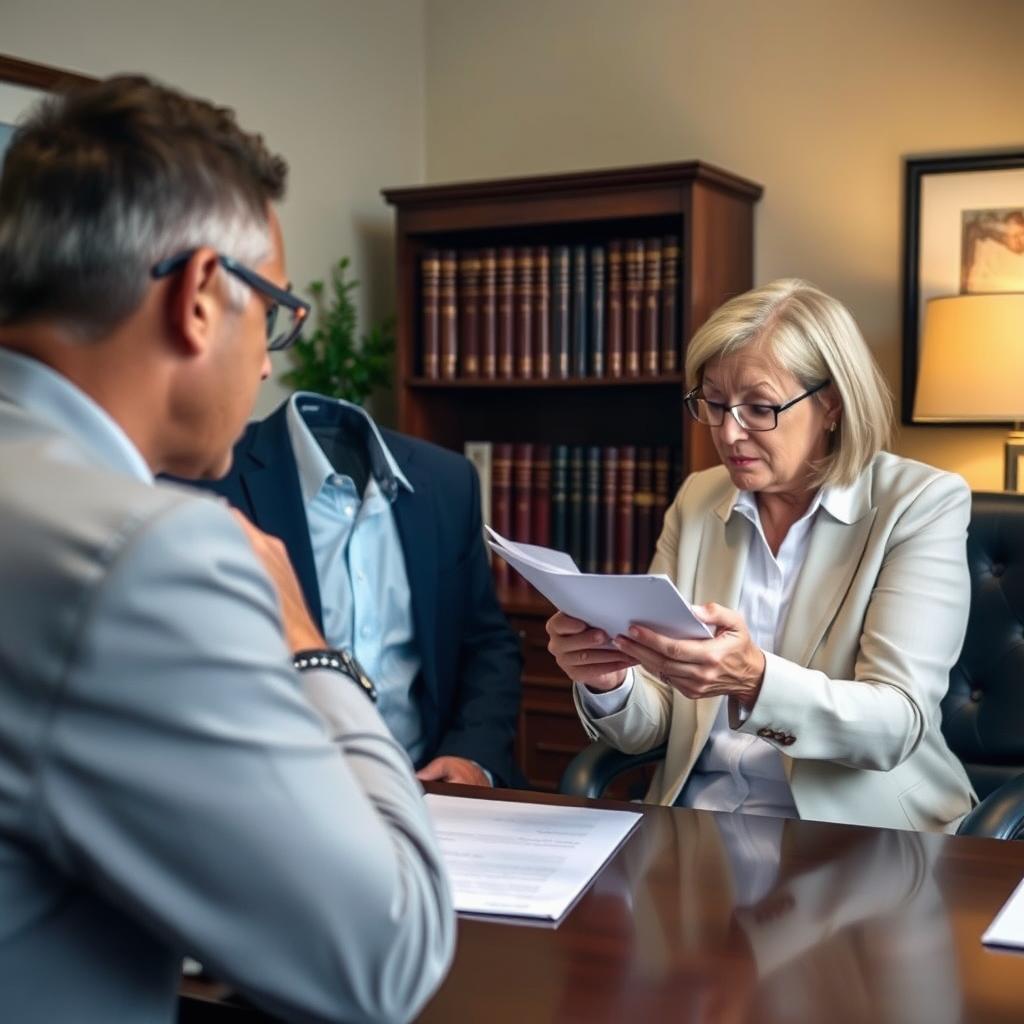
Restraining Order Lawyer Chesapeake, VA
If you are facing a situation that may lead to a restraining order in Chesapeake, Virginia, the steps you take now can affect your family, your living arrangements, and your record. Restraining orders—also called protective orders in Virginia—are frequently sought in family law disputes. They may be issued by the Chesapeake Juvenile and Domestic Relations District Court when a person alleges an act of violence, force, or threat against a family or household member. Once in place, a protective order can bar you from your home, restrict contact with your children, and impact your employment. At Law Offices Of SRIS, P.C., Mr. Sris and his Of Counsel team represent individuals in Chesapeake protective order proceedings. We understand that these cases move quickly and carry serious consequences. To discuss your options, reach our firm at (888) 437-7747. Law Offices Of SRIS, P.C. – Advocacy Without Borders.
Understanding Restraining Orders in Chesapeake, Virginia
Virginia Code § 16.1-253.1 and § 16.1-279.1 govern the issuance of preliminary and permanent protective orders in cases involving family abuse. In Chesapeake, applications for protective orders are typically heard at the Chesapeake Juvenile and Domestic Relations District Court, located at 307 Albemarle Drive, Chesapeake, VA 23322. These proceedings are civil in nature but can overlap with criminal charges, divorce, and child custody disputes. The court may issue a preliminary protective order on an emergency basis, often without the other party present, if the petition alleges a recent act of family abuse and the judge finds sufficient cause. A full hearing before the court follows within a short period set by the court’s calendar.
Because Chesapeake is part of the First Judicial District, local court practices can affect how protective order cases are handled. The court considers statutory factors that include the relationship between the parties, any history of violence, and the potential risk to the petitioner. An experienced family law attorney who regularly appears in Chesapeake courts can help you present your side of the story, gather relevant evidence, and respond to allegations. Mr. Sris and his Of Counsel understand that a protective order can alter child custody and visitation arrangements, impact firearm possession rights, and appear on background checks. We work with clients to address both the immediate hearing and the longer-term family law implications.
How Mr. Sris and His Of Counsel Handle Restraining Order Cases
Mr. Sris and his Of Counsel approach each protective order matter by first listening carefully to the client’s account of the events and the relationship involved. We then evaluate the petition’s allegations, identify potential defenses, and advise on the likely procedural steps in the Chesapeake Juvenile and Domestic Relations District Court. Because the preliminary stage can happen without the respondent being present, prompt action is essential. We help clients prepare for the final protective order hearing by reviewing any evidence—text messages, emails, photographs, witness statements—and developing a clear, focused argument for the court.
Our representation extends beyond the courtroom appearance. A protective order can trigger other family law issues, including temporary custody orders and support obligations. Mr. Sris and his Of Counsel coordinate the protective order defense with any pending divorce, custody, or support matters to ensure consistency and to protect the client’s parental rights and financial interests. While every case is different, our goal is to present a well-prepared defense and to work toward a resolution that minimizes the disruption to the client’s life. We encourage anyone facing a protective order in Chesapeake to seek experienced legal counsel early in the process. Reach our firm at (888) 437-7747 to schedule a consultation.
About Mr. Sris and His Of Counsel Team
Mr. Sris, Owner and Founder of Law Offices Of SRIS, P.C., is a former prosecutor who has practiced law since 1997. He is admitted in Virginia, Maryland, the District of Columbia, New Jersey, and New York. Mr. Sris testified before the Virginia House Courts of Justice Committee in support of 2019 HB 635 (chief patron Del. David Bulova). Alongside his Of Counsel, Mr. Sris brings extensive combined legal experience to family law matters, including protective order defense. Results may vary. in your situation.
The Of Counsel team at Law Offices Of SRIS, P.C. Includes attorneys with deep Virginia courtroom experience. Collectively, Mr. Sris and his Of Counsel have represented clients across the Commonwealth in matters involving domestic relations, child custody, and protective orders. We serve clients from our Richmond location and appear regularly in Chesapeake courts. To learn more about how we can assist with your protective order case, call (888) 437-7747.
Frequently Asked Questions
What is the difference between a restraining order and a protective order in Virginia?
In Virginia, the term “protective order” is used in family abuse cases, while “restraining order” typically refers to orders issued in non-family civil or criminal contexts. Under Va. Code § 16.1-253.1 and § 16.1-279.1, the court may issue a protective order when family abuse is alleged. A preliminary protective order can be granted on an emergency basis and lasts until the full hearing. A final protective order may remain in effect for up to two years and can impose significant restrictions. The terms are often used interchangeably by the public, but your legal strategy should align with the specific statute under which the order is sought.
How can a Virginia lawyer defend against a protective order?
An experienced Virginia family law attorney can defend against a protective order by challenging the sufficiency of the evidence, examining procedural compliance, and presenting a version of events that contradicts the petitioner’s allegations. Defenses may include showing that the alleged conduct does not meet the statutory definition of family abuse, demonstrating that the petitioner’s claims are exaggerated or fabricated, or providing evidence of the respondent’s good character and lack of violent history. Because protective order hearings are not criminal trials, the rules of evidence may be more relaxed, and the burden of proof is lower. A skilled presentation can make a critical difference.
What should I do if I am served with a protective order in Chesapeake?
If you are served with a protective order in Chesapeake, you should immediately contact a family law attorney and carefully read the order to understand its restrictions. Do not violate any term of the order, even if you believe it was wrongly issued. Violating a protective order can lead to criminal contempt charges. Preserve any communications that may show the context of the incident, and avoid any contact with the petitioner that is not expressly permitted. An attorney can help you prepare for the hearing and advise you on compliance with the order while building your defense.
Can a protective order affect child custody in Chesapeake?
Yes, a protective order can directly impact child custody and visitation arrangements in Chesapeake. The court may include temporary custody provisions within the protective order itself, and the order’s existence will be considered in any pending custody case. Virginia courts must consider any history of family abuse when determining the best interests of the child under Va. Code § 20-124.3. A protective order may limit a parent’s time with the children or require supervised visitation. Because Chesapeake Juvenile and Domestic Relations District Court handles both protective orders and standalone custody matters, the two proceedings often intertwine.
How long does a protective order last in Virginia?
A final protective order in Virginia may remain in effect for up to two years, though the court can set a shorter duration. Preliminary protective orders are temporary and last until the full hearing, which the court will schedule according to its own calendar. The petitioner may seek an extension of a final protective order before it expires, and the court will evaluate whether continued protection is warranted. The timeline varies depending on the facts of the case and the court’s scheduling, so consulting an attorney familiar with Chesapeake’s docket can help you plan accordingly.
Do I need a lawyer for a protective order hearing in Chesapeake?
You are not required to have a lawyer for a protective order hearing, but representation from an experienced family law attorney can help you protect your rights and present a stronger case. Protective order hearings move quickly, and the consequences of an unfavorable order can be far-reaching—affecting your home, your children, and your record. An attorney can navigate the local court procedures, cross-examine witnesses, and frame the evidence in the most favorable light. For a consultation with Mr. Sris and his Of Counsel, call (888) 437-7747.
What happens if a protective order is violated in Virginia?
Violating a protective order in Virginia can result in criminal contempt charges, which may lead to fines and jail time. Even unintentional or indirect contact through a third party can constitute a violation. Law enforcement takes protective order violations seriously, and a conviction can create a permanent criminal record. Responding authorities often arrest the alleged violator. If you have been accused of violating a protective order, you should contact an attorney immediately. Mr. Sris and his Of Counsel defend clients against such allegations in Chesapeake courts.
Are protective orders public record in Virginia?
Protective orders are generally public record in Virginia, though certain personal information may be redacted. The order is entered into the Virginia Criminal Information Network and the Virginia Supreme Court’s protective order registry. This means the order can appear in background checks and may be accessible to employers, landlords, and others. The public nature of protective orders underscores the importance of presenting a thorough defense at the hearing to avoid an order being entered in the first place.
How is a protective order different from a peace bond in Chesapeake?
A protective order under Va. Code § 16.1-279.1 is a civil remedy for family abuse, while a peace bond is a criminal-court mechanism available in cases where there is a threat of harm but no statutory family relationship. Peace bonds are less common and require a showing that the accused person has threatened to commit an offense or breach the peace. Protective orders carry different enforcement mechanisms and can include family-specific relief like custody provisions. The Chesapeake Juvenile and Domestic Relations District Court mainly handles protective orders in family abuse matters.
Can a protective order be modified or dissolved in Chesapeake?
Yes, a protective order can be modified or dissolved if the court finds that the circumstances have changed and the order is no longer necessary. Either party may petition the court to modify or dissolve the order. The court will hold a hearing and consider whether the protected party still needs the protection of the court. The process requires filing a motion with the Chesapeake Juvenile and Domestic Relations District Court and providing notice to the other party. An attorney can help you prepare the motion and argue that the order should be terminated or narrowed.
If you need help with a family law matter in other Virginia localities, you can also explore our services: Family Law Lawyer Fairfax County, Family Law Lawyer Fairfax City, Family Law Lawyer Falls Church, Family Law Lawyer Prince William County, and Family Law Lawyer Manassas.
For official legal resources, visit the Virginia General District Courts website at Chesapeake General District Court, the Virginia Code at Virginia Code, and the Virginia Judicial System site at Virginia Courts.
Attorney advertising. Prior results do not guarantee a similar outcome. Results may vary.
Case results depend on a variety of factors unique to each case.