
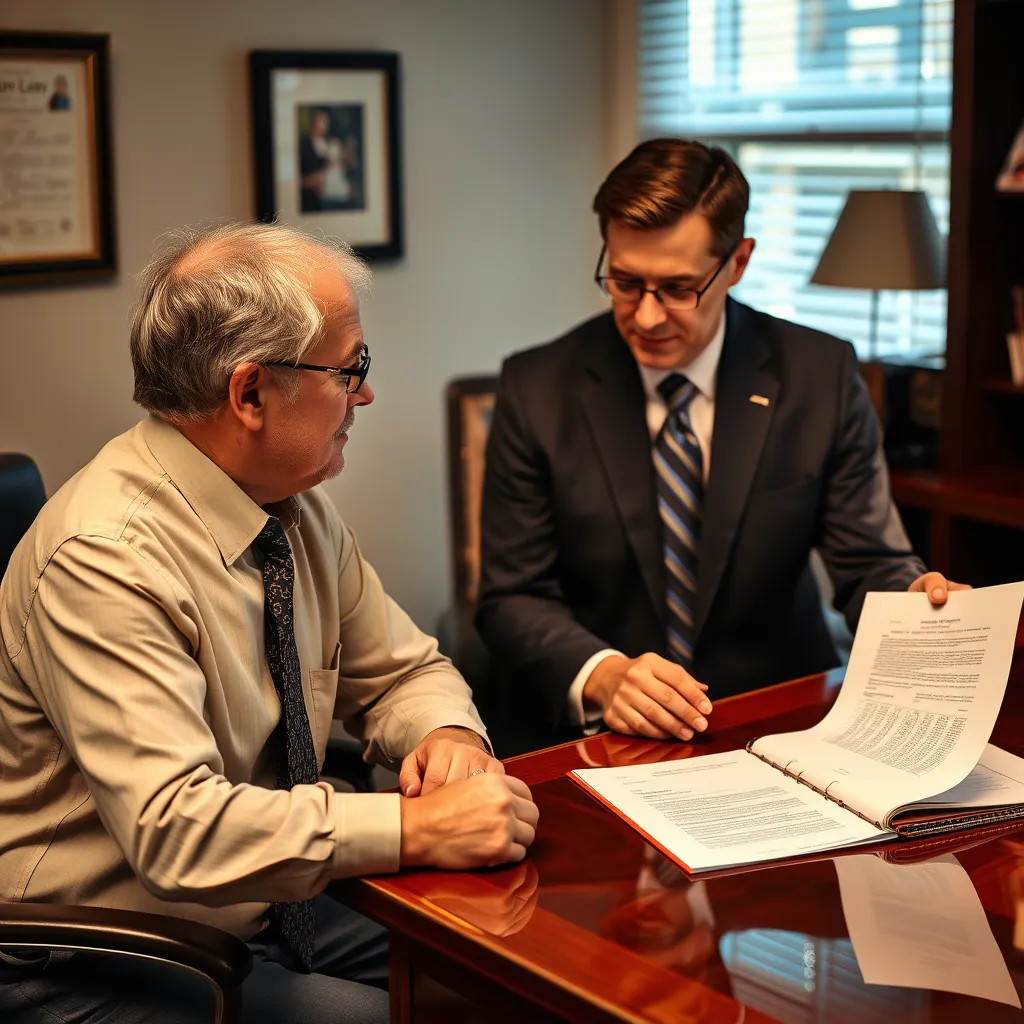
Note: This article is confirmed by Law Offices Of SRIS, P.C.
WRITTEN BY: Mr. Sris
Since 1997, Mr. Sris has led the firm, focusing on the most challenging criminal and family law cases… His background in accounting and information management aids in financial and technology-related cases… Involved in significant legislative changes in Virginia.
Insight: My focus since founding the firm in 1997 has always been directed towards personally handling the most challenging and involved criminal and family law matters our clients face.
Insight: I find my background in accounting and information management provides a unique advantage when handling the intricate financial and technological aspects inherent in many modern legal cases.
Insight: As someone deeply involved in the community, I believe it’s important to not only practice law but also to actively participate in shaping it, which is why I dedicated effort towards amending Virginia Code § 20-107.3 and achieving state recognition for cultural milestones.
Relative Adoption Lawyer Tysons VA
What is Relative Adoption
Relative adoption represents a legal pathway for family members to provide permanent homes for children within their kinship network. This type of adoption differs from traditional adoption because it maintains existing family bonds while creating new legal relationships. The process begins with determining eligibility under Virginia law, which requires the adopting relative to meet specific criteria including age, residency, and relationship to the child.
The legal steps involve filing a petition with the appropriate Virginia court, providing documentation of the relationship, and demonstrating the ability to provide a stable home. Background checks and home studies are typically required to ensure the child’s safety and wellbeing. The court examines whether the adoption serves the child’s best interests, considering factors like emotional bonds, stability, and continuity of care.
Termination of biological parents’ rights may be necessary unless they consent to the adoption. This aspect requires careful legal handling to protect everyone’s rights while focusing on the child’s needs. The process includes notice requirements, potential hearings, and court evaluations of the proposed adoption arrangement.
Finalization occurs in court where a judge reviews all documentation and approves the adoption decree. This legal order establishes the relative as the child’s legal parent with all associated rights and responsibilities. The adoption affects inheritance rights, medical decision-making authority, and other legal matters.
Real-Talk Aside: This process involves significant legal paperwork and court appearances. Missing deadlines or incomplete documentation can delay or derail the adoption.
How to Pursue Kinship Adoption
Beginning the kinship adoption process requires understanding Virginia’s specific legal requirements. The first step involves consultation with legal counsel to evaluate your situation and determine the appropriate approach. This initial assessment examines the relationship to the child, current custody arrangements, and any existing court orders affecting the child.
Document preparation represents a vital component of the process. Required materials typically include birth certificates for all parties, proof of relationship, financial statements, medical records, and background clearance forms. For relative adoptions, documentation establishing the family connection is particularly important. This might involve marriage certificates, family trees, or other evidence showing the kinship relationship.
Filing the adoption petition with the appropriate Virginia court initiates the formal legal process. The petition must include specific information about the child, biological parents, adopting relatives, and the circumstances leading to the adoption request. Proper service of process ensures all interested parties receive notice and have opportunity to respond.
The home study phase involves evaluation by a licensed social worker or agency. This assessment examines the home environment, parenting capabilities, and overall suitability for adoption. The evaluator considers factors like living conditions, family dynamics, support systems, and plans for the child’s care and development.
Court hearings provide opportunity for the judge to review evidence and hear testimony. These proceedings may involve multiple appearances depending on case challenge. The final hearing results in the adoption decree if all requirements are satisfied and the court determines the adoption serves the child’s best interests.
Real-Talk Aside: This process takes time and requires attention to detail. Each step must be completed correctly to avoid delays.
Can I Adopt a Relative’s Child
Eligibility for relative adoption in Virginia depends on several factors defined by state law. The relationship between the adopting party and the child must fall within categories recognized by statute. Typically, this includes grandparents, great-grandparents, aunts, uncles, adult siblings, and certain other blood relatives. The specific degree of relationship affects procedural requirements and potential expedited processes.
Parental rights represent a significant consideration in relative adoption cases. Biological parents may voluntarily consent to the adoption, or their rights may be terminated by court order due to abandonment, unfitness, or other statutory grounds. When parents consent, the legal process generally proceeds more smoothly. When termination is necessary, additional legal proceedings may be required before adoption can proceed.
The home study requirement applies to most relative adoption cases in Virginia. This evaluation assesses the prospective adoptive home’s safety, stability, and suitability. While relatives may receive some consideration for existing relationships with the child, they must still demonstrate ability to provide proper care, education, and emotional support.
Financial considerations also factor into eligibility assessments. Adopting relatives must show they can provide for the child’s needs without undue hardship. This doesn’t require wealth but rather reasonable financial stability and planning for the child’s future needs including education and healthcare.
The court’s primary focus remains the child’s best interests throughout the process. Judges consider factors like existing emotional bonds, continuity of care, educational stability, and overall wellbeing. When relatives have already been caring for the child, this established relationship often supports the adoption petition.
Real-Talk Aside: Even with family connections, the legal standards must be met. Existing relationships help but don’t guarantee approval.
Why Hire Legal Help for Adoption Lawyer Tysons VA
Professional legal assistance offers significant advantages in relative adoption proceedings. Adoption law involves specific statutes, court rules, and procedural requirements that benefit from experienced handling. Attorneys familiar with Virginia adoption practices can identify potential issues early and develop appropriate strategies to address them efficiently.
Document preparation represents a area where legal guidance proves particularly valuable. Adoption petitions, consent forms, background check requests, and court filings require precise language and proper formatting. Errors or omissions in documentation can cause delays or require additional court appearances to correct. Legal professionals ensure all paperwork meets court standards and submission requirements.
Court representation provides another important benefit. Adoption hearings involve specific protocols and evidentiary standards. Attorneys present your case effectively, respond to judicial inquiries, and address any objections or concerns raised during proceedings. This representation helps ensure your position receives proper consideration while maintaining appropriate courtroom decorum.
involved situations often arise in relative adoption cases, particularly regarding parental rights termination, interstate considerations, or existing court orders. Legal counsel helps handle these challenges by applying relevant laws and developing workable solutions. When complications emerge, attorneys can propose alternatives or modifications to keep the process moving forward.
The emotional aspects of adoption benefit from objective legal guidance. Family dynamics can create tension during adoption proceedings. Attorneys provide professional perspective while focusing on legal requirements and the child’s wellbeing. This approach helps maintain constructive progress toward the adoption goal.
Real-Talk Aside: Legal help reduces stress and increases efficiency. Professionals handle details so you can focus on family transition.
FAQ:
What relatives can adopt in Virginia?
Grandparents, aunts, uncles, adult siblings, and certain other blood relatives may adopt under Virginia law. Relationship degree affects specific requirements.
How long does relative adoption take?
The process typically takes several months to over a year depending on case specifics, court schedules, and documentation completion.
Do both biological parents need to consent?
Usually yes, unless parental rights have been terminated by court order for specific legal reasons defined in Virginia law.
What is a home study for adoption?
A home study evaluates the adoptive home’s safety, stability, and suitability through interviews, home visits, and background checks.
Can I adopt if I have limited income?
Yes, financial stability rather than wealth is required. The court considers ability to provide for the child’s basic needs.
What rights do biological parents retain?
After adoption, biological parents typically have no legal rights unless specific arrangements are made and approved by the court.
Are there age requirements for adopting relatives?
Adopting relatives must be adults, typically at least 18 years older than the child, with some exceptions possible.
What happens if the adoption is denied?
If denied, alternatives may include guardianship or other arrangements. Legal counsel can discuss options based on specific circumstances.
Can relatives adopt from another state?
Interstate relative adoption involves additional requirements under the Interstate Compact on the Placement of Children.
What costs are involved in relative adoption?
Costs include court fees, home study fees, legal fees, and possibly other expenses depending on case specifics.
Do adopted children keep their original birth certificates?
Virginia issues new birth certificates after adoption showing adopting parents as legal parents.
Can adoption be reversed later?
Adoption is generally permanent, though rare circumstances might allow challenges under specific legal grounds.
Past results do not predict future outcomes