
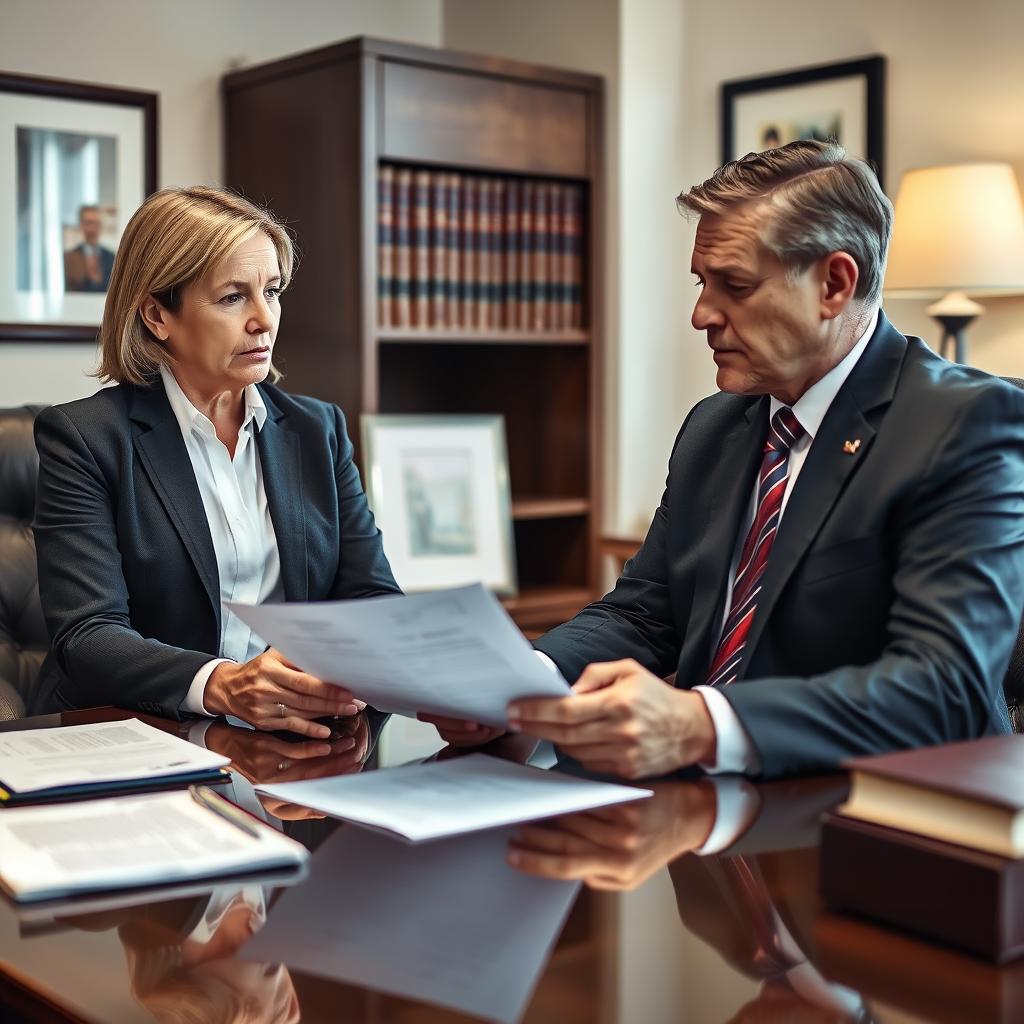
Private Adoption Lawyer Suffolk, VA
Private adoption in Suffolk, Virginia, offers a path to expand a family without agency involvement, but the legal requirements are exacting. Whether you are a prospective adoptive parent seeking to adopt a child you already know — a relative, a stepchild, or a child placed through a private arrangement — or a birth parent considering a private adoption plan, you must navigate Virginia’s statutory framework under Va. Code § 63.2-1200 et seq. Cases are heard in the Suffolk Circuit Court, which has jurisdiction over adoption proceedings for families throughout Suffolk, Harbour View, and North Suffolk. The process requires careful attention to consent, home-study requirements, and the termination of biological parental rights. An attorney can guide you through each step, from preparing the petition to finalizing the adoption decree. To discuss your private adoption matter, reach Law Offices Of SRIS, P.C. at (888) 437-7747. Law Offices Of SRIS, P.C. – Advocacy Without Borders.
What Private Adoption Means in Suffolk, Virginia
Suffolk, an independent city in Virginia’s Fifth Judicial District, handles private adoption matters through the Suffolk Circuit Court. Unlike agency adoptions, private adoptions typically involve direct placement — often by a birth parent who knows the adoptive family — without an intermediary child-placing agency. Virginia law imposes specific requirements: the birth parents must give valid consent, and in many cases the court will require an investigation and report from a licensed child-placing agency or the local department of social services before entering a final order of adoption.
The court’s primary concern is the best interests of the child. The circuit court judge will review the petition, the consents, the home-study or placement report, and any background information necessary to determine that the adoption is in the child’s best interests. Because Suffolk Circuit Court is located at 150 North Main Street in downtown Suffolk, families throughout the city — from the Holland area to northern neighbourhoods like Harbour View — can appear for their adoption hearing without extensive travel. Our firm’s Richmond location regularly represents clients at the Suffolk courts and is familiar with local practices, including the documentation the clerk’s office expects and the timeline the court typically follows.
How Mr. Sris and His Of Counsel Handle Private Adoption Cases
Mr. Sris and his Of Counsel bring extensive combined legal experience to private adoption matters. They work with prospective adoptive parents and birth parents alike to ensure every required document is properly prepared and filed, every consent is valid, and every procedural deadline is met. For adoptive parents, representation often includes preparing the petition for adoption, coordinating the home study or placement investigation, addressing any outstanding issues regarding the biological father’s consent or putative-father registry notifications, and appearing at the final hearing. For birth parents, the attorney can explain the legal effect of a consent to adoption, the timing of when a consent becomes irrevocable, and the long-term consequences for parental rights.
The Suffolk Circuit Court requires strict compliance with Virginia’s adoption statutes. Mr. Sris and his Of Counsel approach each private adoption with careful attention to the details that matter to the court — verifying that all required consents are executed under oath, that any required notice to a non-consenting parent has been properly given, and that the home study or agency report is complete and current. They do not take shortcuts, and they keep clients informed at every stage. Because every private adoption is unique, they tailor their work to the specific facts of the child’s situation, the birth family’s circumstances, and the adoptive family’s goals.
About Mr. Sris and His Of Counsel Team
Mr. Sris, Owner and Founder of Law Offices Of SRIS, P.C., is a former prosecutor with extensive experience in family law. He is admitted in Virginia, Maryland, the District of Columbia, New Jersey, and New York. Mr. Sris testified before the Virginia House Courts of Justice Committee in support of 2019 HB 635 (chief patron Del. David Bulova). His practice includes complex family law matters, and he leads a team of Of Counsel attorneys who contribute to the firm’s work on private adoptions across Virginia.
Mr. Sris and his Of Counsel bring extensive combined legal experience to family law cases. Results may vary. The firm’s collaborative approach means that while Mr. Sris oversees the matter, you also benefit from the collective insight of experienced attorneys who have handled adoptions, custody disputes, and related family law proceedings. The team appears regularly in Suffolk Circuit Court and has a working familiarity with local procedures. To request a consultation about a private adoption, contact our firm at (888) 437-7747.
Frequently Asked Questions
What is a private adoption in Virginia?
A private adoption is a direct placement of a child with adoptive parents without an agency intermediary, governed by Virginia adoption statutes. The birth parents and adoptive parents typically know each other — in a stepparent, relative, or kinship adoption, or through a private arrangement. The process requires court approval; Virginia law mandates valid consents, a home study or placement investigation, and a final hearing in the circuit court of the city or county where the adoptive parents reside or where the child is present. The Suffolk Circuit Court handles private adoptions for families in the city.
Do I need a lawyer for a private adoption in Suffolk?
Virginia law does not require you to hire a lawyer to file an adoption petition, but representation is strongly advisable because of the legal complexities involved. A private adoption requires careful drafting of the petition, verification that all consents are properly executed and irrevocable at the right time, compliance with putative-father registry requirements, and coordination with the home-study provider. Errors can delay or derail the adoption. An experienced family law attorney can help ensure the process moves forward smoothly and that the final order is legally sound.
Who must consent to a private adoption in Virginia?
Virginia law requires the consent of both birth parents, unless one parent’s rights have been terminated, the parent is deceased, or the parent’s identity is unknown and cannot be ascertained. For a stepparent adoption, the non-custodial birth parent’s consent may be required unless that parent has abandoned the child or failed to provide support. Additionally, the child must consent if he or she is 14 years of age or older. The adoption statutes also address the situation where a birth father is alleged but has not established paternity; careful attention to the putative-father registry is essential to protect the adoption.
How long does a private adoption take in Suffolk?
The timeline for a private adoption varies depending on the specific facts of the case, including how quickly consents are obtained, the home study is completed, and the court schedules the hearing. In uncontested cases where all necessary documents are in order, the process may move more quickly. However, if issues arise — such as the need to locate a non-consenting parent or resolve disputed paternity — the adoption may take longer. An attorney can give you a realistic timeline after reviewing your particular situation.
What is a home study, and is it required for a private adoption?
A home study is an investigation and report prepared by a licensed child-placing agency or a local department of social services, and Virginia law requires it in most private adoptions. The study evaluates the prospective adoptive parents’ background, financial stability, home environment, and readiness to parent. For stepparent and certain relative adoptions, the court may waive the home-study requirement or order a less extensive investigation. The Suffolk Circuit Court will review the home study as part of its best-interests determination before entering the final order of adoption.
What happens at the final adoption hearing in Suffolk?
At the final hearing, the judge reviews the adoption petition, the consents, the home study or investigation report, and any other required documents, and if everything is in order, enters a final order of adoption. Both adoptive parents generally must attend. The hearing is typically brief, but the judge may ask questions to confirm that the adoption is in the child’s best interests. Once the final order is entered, the adoption is permanent, and the child’s legal relationship with the biological parents — except in stepparent adoptions where one birth parent remains — is severed. The clerk of court can then issue a new birth certificate listing the adoptive parents.
Related pages: Fairfax County Family Law Lawyer | Fairfax City Family Law Lawyer | Falls Church Family Law Lawyer | Prince William County Family Law Lawyer | Manassas Family Law Lawyer
Virginia Primary Sources: Virginia Code Title 63.2 (Adoption) | Virginia Judicial System
Attorney advertising. Prior results do not guarantee a similar outcome.
Results may vary.
Case results depend on a variety of factors unique to each case.