
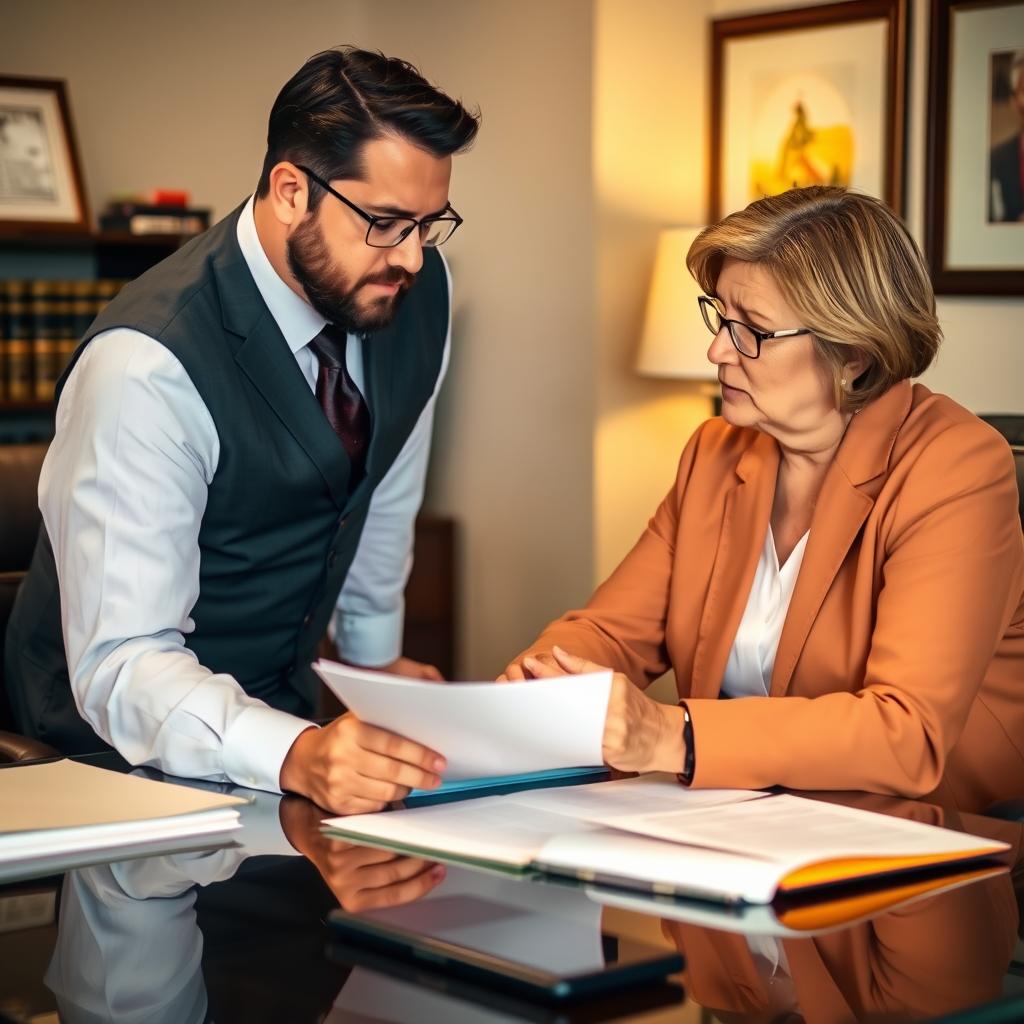
Marital Property Lawyer Suffolk, VA
When a marriage ends in Suffolk, Virginia, dividing property fairly involves more than just splitting everything down the middle. Virginia follows equitable distribution principles under Va. Code § 20‑107.3, which requires classifying assets as marital, separate, or hybrid before determining a fair division. Marital property typically includes assets and debts acquired during the marriage—homes, retirement accounts, businesses, vehicles—regardless of which spouse’s name appears on the title. Separate property, such as assets owned before the marriage or received by gift or inheritance, generally remains with the original owner. Suffolk residents typically file divorce and property-division matters in the Suffolk Circuit Court, while standalone custody or support issues may be heard in the Suffolk Juvenile and Domestic Relations District Court. Law Offices Of SRIS, P.C. works with clients throughout Suffolk, Harbour View, and North Suffolk to address classification, valuation, and distribution. To discuss your situation, reach the firm at (888) 437‑7747. Law Offices Of SRIS, P.C. – Advocacy Without Borders.
What Marital Property Means in Suffolk, Virginia
Marital property, as defined by Virginia Code § 20‑107.3, covers nearly all assets and obligations accumulated from the date of marriage through the date of separation. This includes real estate, bank accounts, investment portfolios, business interests, vehicles, retirement accounts, and even frequent-flier miles or intellectual property generated during the marriage. Debts, such as mortgages, credit card balances, and car loans, are also part of the marital estate. In Suffolk, the Circuit Court has exclusive jurisdiction over divorce suits and the associated equitable distribution of property. The court applies eleven statutory factors to determine a fair division, considering each spouse’s contributions, the length of the marriage, tax consequences, and the circumstances surrounding the dissolution. Because Virginia is not a community-property state, there is no presumption of a fifty-fifty split; the outcome depends on the specifics of each case.
Suffolk’s economy, anchored by sectors such as agriculture, manufacturing, and healthcare, means marital estates often include business assets, farm holdings, and professional practices that require careful valuation. Forensic accountants and business valuators frequently assist in these cases. The Richmond location of Law Offices Of SRIS, P.C. Regularly represents Suffolk clients in the Circuit Court at 150 North Main Street, Suite 2G, Suffolk, VA 23434. Mr. Sris and his Of Counsel are experienced in identifying and tracing separate-property claims—such as inherited land or premarital savings—and in negotiating property settlement agreements that allow couples to resolve division outside of trial.
How Mr. Sris and His Of Counsel Handle Marital Property Cases
Addressing a marital property dispute in Suffolk begins with a thorough inventory of all assets and debts. Mr. Sris and the Of Counsel team work with clients to gather financial records, tax returns, bank statements, and retirement account documents. The first step is classification: determining what is marital, what is separate, and whether any property is hybrid (partially marital and partially separate). Next, valuation establishes the current fair-market worth of each item. Finally, distribution applies the equitable-distribution factors under § 20‑107.3 to argue for a division that reflects each spouse’s contributions and future needs.
Where possible, the team negotiates a property settlement agreement that resolves all issues without a trial. When negotiation is not productive, Mr. Sris and his Of Counsel are prepared to litigate in Suffolk Circuit Court, presenting evidence on valuation and tracing. The timeline for a marital property case varies depending on the complexity of the estate, the willingness of the parties to cooperate, and the court’s calendar. Cases involving closely held businesses, international assets, or multiple real-estate holdings typically require more time for appraisal and discovery. Throughout the process, the firm focuses on achieving a division that protects the client’s financial future.
About Mr. Sris and His Of Counsel Team
Mr. Sris, Owner and Founder of Law Offices Of SRIS, P.C., is a former prosecutor who has practiced law since 1997. He testified before the Virginia House Courts of Justice Committee in support of 2019 HB 635 (chief patron Del. David Bulova), which revised Virginia’s equitable‑distribution statute. Mr. Sris is admitted in Virginia, Maryland, the District of Columbia, New Jersey, and New York. His practice includes complex family‑law matters, and he works closely with a team of Of Counsel who bring extensive collective experience in divorce, property division, and related litigation. Mr. Sris and his Of Counsel bring extensive combined legal experience. Results may vary. From the Richmond location at 7400 Beaufont Springs Drive, Suite 300, Room 395, Richmond, Virginia 23225, the firm serves clients throughout Suffolk and the Fifth Judicial District.
Frequently Asked Questions
What is marital property in Virginia?
Marital property in Virginia includes most assets and debts acquired during the marriage, regardless of whose name is on the title. Under Va. Code § 20‑107.3, the category spans real estate, vehicles, bank accounts, retirement assets, business interests, and debts such as mortgages and credit cards. Separate property—owned before the marriage or received by gift or inheritance—generally remains with the original owner, but the court examines each asset’s history to ensure proper classification.
Does Virginia require a 50/50 split of marital property?
No, Virginia does not require a strict 50/50 division of marital property. The court uses equitable distribution, meaning a fair—but not necessarily equal—split. Eleven statutory factors guide the judge, including the duration of the marriage, each spouse’s financial and non‑monetary contributions, and the circumstances that led to the divorce. The goal is a just division, not a mathematical one.
What can I do if my spouse hides assets during a Suffolk divorce?
If a spouse conceals assets, the court may award a larger share of the marital estate to the other spouse and may impose sanctions. Hidden assets can be uncovered through discovery tools such as requests for production of documents, interrogatories, and subpoenas to financial institutions. Forensic accountants often trace transactions that reveal undisclosed accounts, undervalued business interests, or hidden transfers to third parties. Bringing such evidence to the court’s attention can significantly affect the distribution outcome.
How does the Suffolk Circuit Court handle property division?
The Suffolk Circuit Court handles all divorce and equitable-distribution matters under Virginia Code Title 20. After a complaint for divorce is filed, the court may enter temporary orders concerning use of property and financial support. The final distribution occurs at trial or by incorporating a signed property settlement agreement into the final decree. The court classifies, values, and divides the marital estate after considering the statutory factors.
Do I need a lawyer for a marital property case in Suffolk?
While legal representation is not mandatory, an experienced marital property lawyer helps protect your financial interests and ensures the division complies with Virginia law. Handling property valuation, tax implications, and tracing of separate assets often requires professional guidance. Mr. Sris and his Of Counsel can assess your situation, explain what is likely to be classified as marital, and work toward a resolution—whether through negotiation or litigation. To discuss the details of your matter, contact Law Offices Of SRIS, P.C. at (888) 437‑7747.
How should I prepare for a marital property consultation?
Gather documents such as tax returns, bank statements, retirement account statements, deeds, vehicle titles, and lists of debts. Bring any prenuptial or postnuptial agreements, evidence of separate property (for example, inheritance records), and recent pay stubs. This information allows Mr. Sris and his Of Counsel to evaluate the estate and provide realistic guidance. The consultation is an opportunity to ask questions about the process, timelines, and what to expect in Suffolk courts.
For information on Virginia’s equitable distribution framework, visit the Virginia Code Title 20 – Family Law. You can also explore court resources at Virginia’s Judicial System website.
Explore our family law resources across Northern Virginia:
Fairfax County family law attorney | City of Fairfax family law lawyer | Prince William County family law attorney | Manassas family law lawyer
Attorney advertising. Prior results do not guarantee a similar outcome. Results may vary.
Case results depend on a variety of factors unique to each case.