
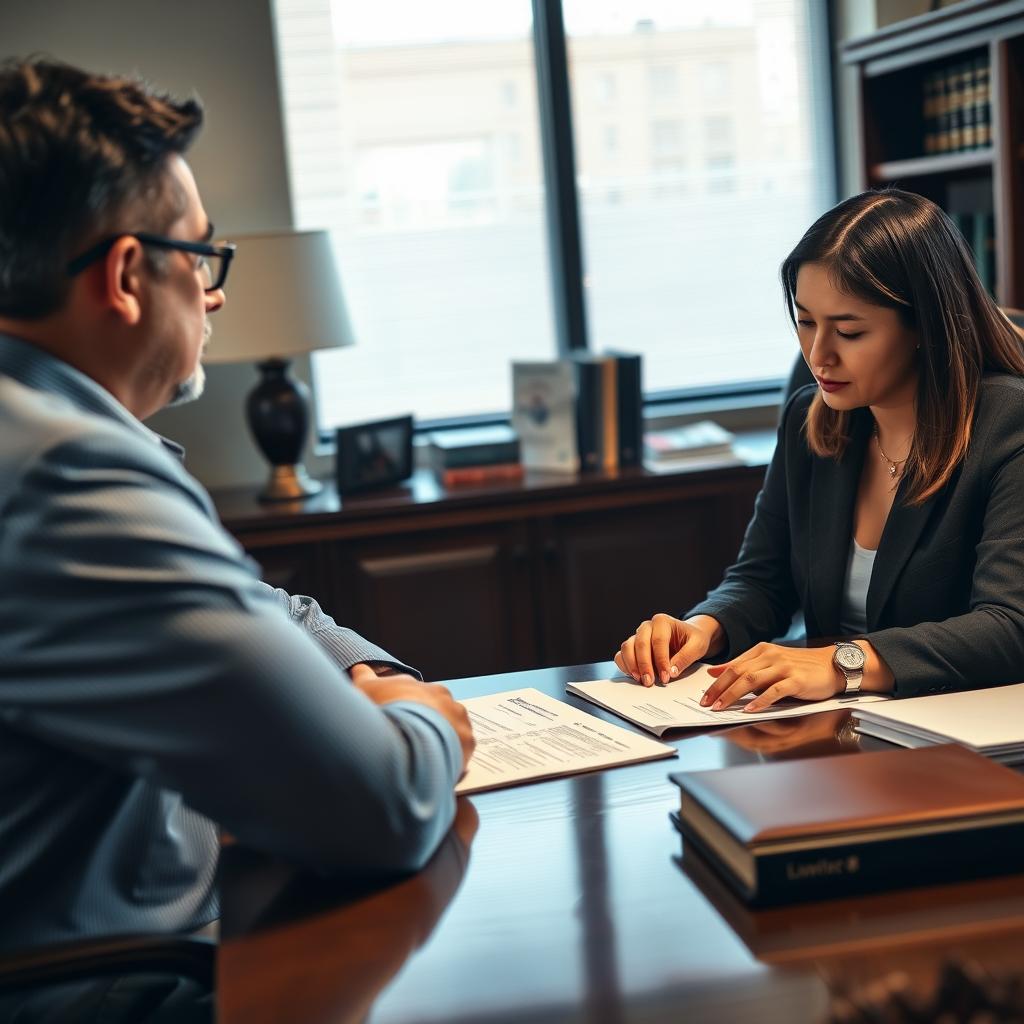
Domesticating Foreign Divorce Decree Lawyer Near Me
When a marriage ends abroad, a divorce decree issued by a court in another country may not automatically carry legal weight in Virginia. Domesticating a foreign divorce decree—the legal process of having that decree recognized by a Virginia circuit court—is often necessary before a person can remarry, divide property located in the Commonwealth, or enforce support orders. In the Hampton Roads area, including Hampton, Newport News, Norfolk, and the surrounding cities, Law Offices Of SRIS, P.C. assists clients with bringing foreign decrees into the Virginia legal system so that they have the full force and effect of a judgment entered here. Because the recognition process touches on principles of international comity, proper authentication, and Virginia procedural law, working with an attorney familiar with cross-border family matters can help avoid unnecessary delays or jurisdictional ambiguities. Mr. Sris and his Of Counsel team bring extensive combined legal experience to domestication cases and represent individuals and families throughout Hampton Roads. Reach our location at (888) 437-7747 to schedule a consultation. Law Offices Of SRIS, P.C. – Advocacy Without Borders.
Domesticating a Foreign Divorce Decree in Hampton Roads, Virginia: An Overview
The legal doctrine of comity generally guides Virginia courts when asked to recognize a divorce judgment from a foreign country. A marriage validly contracted in another jurisdiction is presumptively recognized under the lex loci celebrationis doctrine, and a court may extend similar recognition to a divorce if the foreign proceeding met basic standards of due process and was issued by a tribunal with jurisdiction over the parties. Still, recognition is not automatic. A party seeking to rely on a foreign divorce in Virginia often files a domestication action in the circuit court of the city or county where the party resides—for example, the Hampton Circuit Court, the Newport News Circuit Court, or the Norfolk Circuit Court. The proceeding is not a new divorce; rather, it asks the Virginia court to accept the foreign decree as binding and enforceable here.
In practice, the domestication process can require several steps. The foreign decree may need to be authenticated, stamped with an apostille if the issuing country is a party to the Hague Apostille Convention, and accompanied by a certified English translation when the original is in another language. The Virginia court must be satisfied that the foreign tribunal had personal and subject-matter jurisdiction and that the proceedings were fundamentally fair. If the decree includes child custody or support provisions, additional jurisdictional and statutory considerations apply, especially when one parent and the children are located in the Commonwealth. India is not a signatory to the 1980 Hague Convention on Civil Aspects of International Child Abduction. Mr. Sris and his Of Counsel evaluate each decree’s origin and supporting documentation to build a record that helps the court determine that recognition is appropriate under Virginia law.
How Mr. Sris and His Of Counsel Work Through the Domestication Process
Mr. Sris and his Of Counsel approach the domestication of a foreign divorce decree as a deliberate, documentation-driven process. Early steps include gathering the original decree, any appellate orders, and evidence that the foreign court followed its own procedures. When the foreign proceeding occurred in a non-English-speaking country, the team works with certified translators to produce translations that meet Virginia court standards. If the decree was issued by a court in India, for instance, the firm draws on its familiarity with Indian legal instruments and the flow of documents through the apostille process, helping clients present a clean record to the Virginia circuit court.
Once the documentation is ready, the firm prepares the necessary pleadings—typically a complaint or a motion—and files them in the appropriate circuit court. While the term “Complaint” is not used in Virginia practice, the filing itself sets out the factual and legal basis for recognition. The firm advises clients on whether a hearing is likely and prepares for any jurisdictional or procedural questions the court may raise. Throughout, Mr. Sris and his Of Counsel track case progress and work toward an order that expressly recognizes the foreign divorce, allowing the client to move forward with remarriage, property distribution, or enforcement of spousal support.
About Mr. Sris and His Of Counsel Team
Mr. Sris, Owner and Founder of Law Offices Of SRIS, P.C., has practiced law since 1997 and is admitted in Virginia, Maryland, the District of Columbia, New Jersey, and New York. A former prosecutor, he brings an understanding of courtroom procedure and evidence to every family law matter the firm handles. Mr. Sris testified before the Virginia House Courts of Justice Committee in support of 2019 HB 635 (chief patron Del. David Bulova). His extensive background in complex family law, including cross-border divorce and decree enforcement, equips him to manage the interplay between foreign legal systems and Virginia’s domestic relations code.
Mr. Sris and his Of Counsel bring extensive combined legal experience to the representation of clients throughout Hampton Roads. The firm’s Of Counsel attorneys contribute extensive experience in family law, litigation, and international matters, working collaboratively to protect clients’ interests in each case. The team is supported by professionals who speak English, Spanish, and Tamil, facilitating communication with a broad client base. While Mr. Sris keeps a manageable caseload to stay closely involved, the collective strength of the firm means every client benefits from a reservoir of knowledge and a multi-state perspective on family law.
Frequently Asked Questions
What does it mean to domesticate a foreign divorce decree?
Domesticating a foreign divorce decree is the process of asking a Virginia circuit court to recognize and give legal effect to a divorce granted in another country. Once domesticated, the decree functions as a Virginia judgment, enabling the parties to remarry, divide property located in the Commonwealth, or enforce the decree’s terms just as if the divorce had been obtained in a Virginia court. The process relies on principles of international comity and requires a showing that the foreign court had jurisdiction and that the proceedings were fundamentally fair.
Why would someone need to domesticate a foreign divorce decree in Virginia?
Individuals often need to domesticate a foreign divorce decree to remarry in Virginia, to assert property rights in a Virginia divorce, or to modify and enforce child support or spousal maintenance orders. Without domestication, government agencies, banks, and other courts in the Commonwealth may not recognize the divorce, leaving the former spouses unable to act on their legal rights. Domestication also creates a clear public record of the divorce within Virginia’s court system.
What documents are required to seek recognition of a foreign divorce decree in Hampton Roads?
You typically need a certified copy of the foreign divorce decree, and if the decree is not in English, a certified translation. Many countries also provide an apostille—a standardized authentication certificate—to confirm the decree is genuine. In addition, you may need evidence that the foreign court had jurisdiction over both spouses. An attorney can assess exactly what your case requires and help you obtain the appropriate documents.
Can a foreign divorce decree be challenged in Virginia?
Yes, a party may raise objections to the domestication of a foreign decree if there are questions about jurisdiction, fraud, or procedural fairness in the original proceeding. The Virginia court will examine the record from the foreign country and may deny recognition if it finds the decree was obtained without proper notice, under duress, or in a manner that offends Virginia public policy. Presenting a thorough and accurate set of documents reduces the likelihood of such challenges.
Do I need a lawyer to domesticate a foreign divorce decree in Virginia?
While not strictly required, legal guidance is strongly advisable because the process involves international authentication rules and Virginia procedural requirements that can be difficult to navigate without experience. A lawyer can ensure the decree and translations comply with court rules, prepare the pleadings, and address any jurisdictional questions the judge may raise. For those in Hampton Roads, Mr. Sris and his Of Counsel are available to discuss the specifics of your situation.
How long does the domestication process take?
The timeline for domesticating a foreign divorce decree depends on the court’s calendar, the complexity of the decree, and whether anyone contests the recognition. Some straightforward cases proceed on the papers without a hearing, while others may require a hearing before a circuit court judge. Mr. Sris and his Of Counsel work to move the matter forward efficiently and keep clients informed at each stage.
For guidance tailored to your circumstances, reach Law Offices Of SRIS, P.C. at (888) 437-7747.
For additional information on Virginia’s domestic relations statutes, visit Virginia Code Title 20. General information about the circuit courts that handle domestication matters is available through Virginia’s Judicial System.
Attorney advertising. Prior results do not guarantee a similar outcome. Results may vary.
Case results depend on a variety of factors unique to each case.