
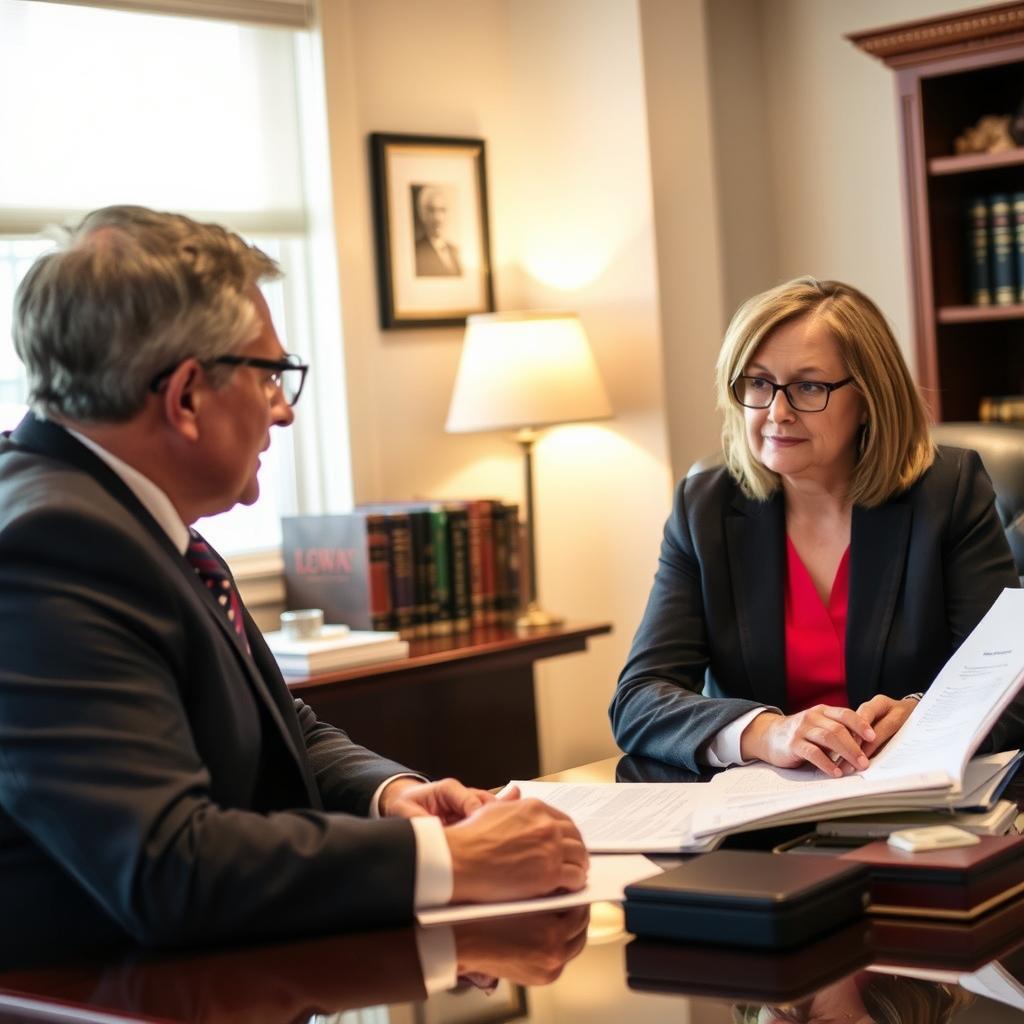
Domesticating Foreign Divorce Decree Lawyer Gloucester County, VA
When a marriage ends abroad, the resulting divorce decree does not automatically carry legal force in Virginia. To enforce property division, spousal support, or civil-status changes within Gloucester County, the foreign order must be formally recognized—or domesticated—by a Virginia court. Mr. Sris and his Of Counsel at Law Offices Of SRIS, P.C. Guide clients through the domestication of foreign divorce decrees, working to secure orders that the Gloucester County Circuit Court will accept and enforce. The process requires presenting an authenticated copy of the foreign decree, often with a certified translation, and demonstrating that the issuing court had proper jurisdiction and that the decree comports with Virginia public policy. For individuals living in Gloucester, Gloucester Point, and surrounding communities, domesticating a foreign divorce decree protects rights and provides the legal clarity needed to move forward. Reach Law Offices Of SRIS, P.C. at (888) 437-7747 to request a consultation. Law Offices Of SRIS, P.C. – Advocacy Without Borders.
Understanding Domesticating a Foreign Divorce Decree in Virginia
Domestication is the procedural mechanism through which a Virginia circuit court converts a foreign divorce decree into a judgment enforceable within the Commonwealth. The Gloucester County Circuit Court, located at 7400 Justice Drive in Gloucester, handles all family law matters seeking domestication, equitable distribution, and related relief. Because Virginia does not automatically recognize judgments from other countries, the decree‑holder must initiate a new proceeding by filing a Complaint for domestication, attaching an authenticated and translated copy of the foreign decree. The court then evaluates whether the foreign tribunal had jurisdiction over the parties, whether the decree is final and conclusive under the foreign country’s laws, and whether the order contains terms that conflict with Virginia’s public policies. No inherent mandatory period of separation is required for domestication alone—the focus is on the validity of the existing decree, not on establishing a new ground for divorce under Va. Code § 20‑91.
Because gloss on the foreign decree interacts with Virginia’s equitable‑distribution framework, any provision dividing overseas assets or assigning support obligations may need separate enforcement proceedings. If the foreign decree includes child‑custody or child‑support provisions, those matters may be heard by the Gloucester County Juvenile and Domestic Relations District Court, while the domestication petition itself proceeds in the Circuit Court. Mr. Sris and his Of Counsel manage the coordination between these courts to ensure that every aspect of the decree receives the appropriate judicial attention.
Frequently Asked Questions
What does domesticating a foreign divorce decree mean?
Domesticating a foreign divorce decree is the legal process of converting a divorce order issued by a court outside the United States into a judgment that Virginia courts will recognize and enforce. The domestication action is filed in the Gloucester County Circuit Court, where the decree‑holder asks the court to give full effect to the foreign order. Once domesticated, the decree carries the same force as a Virginia divorce decree and can be used to enforce property transfers, change marital‑status records, and resolve subsequent modification requests.
Why do I need to domesticate a foreign divorce decree in Virginia?
A foreign divorce decree is not automatically enforceable in Virginia; domestication ensures that the decree is entitled to recognition by state agencies, financial institutions, and courts. Without a domesticated order, a person may encounter obstacles when attempting to transfer real estate titled in Gloucester County, divide retirement accounts governed by Virginia law, or remarry. Domestication also creates a clear record for future modification or enforcement actions should circumstances change.
What is the process for domesticating a foreign divorce decree in Gloucester County?
The process generally involves filing a Complaint for domestication in the Gloucester County Circuit Court, together with an authenticated copy of the foreign decree and a certified English translation if the original is in another language. The court will review whether the foreign court had personal and subject‑matter jurisdiction, whether the decree is final, and whether the relief ordered is compatible with Virginia public policy. If the court is satisfied, it enters an order domesticating the decree. Mr. Sris and his Of Counsel handle the preparation and presentation of all necessary filings.
Does Virginia automatically recognize a foreign divorce decree?
No. Virginia applies principles of comity, not automatic recognition; a court must independently examine the foreign decree before granting it effect. The decree does not become enforceable merely because it is valid in the country where it was issued. The domestication proceeding provides the judicial determination that the decree meets Virginia’s standards.
What documents are needed to domesticate a foreign divorce decree?
The core document is an authenticated copy of the foreign divorce decree, often accompanied by a certificate from the issuing court or an apostille if the decree originates from a country that is party to the Hague Apostille Convention. A certified English translation is required when the decree is in a language other than English. Supporting documents may include marriage certificates and evidence of the foreign court’s jurisdiction. A lawyer experienced in domestication can identify exactly what is needed for a particular decree.
How long does it take to domesticate a foreign divorce decree?
The timeline depends on the complexity of the decree, the court’s docket, and the completeness of the documentation provided to the court. Cases with clear jurisdiction and uncontested facts can often proceed more quickly, while decrees involving disputed property classification or foreign pension plans may require additional evidentiary submissions. Mr. Sris and his Of Counsel work to present a thorough petition, which helps the court move the matter forward efficiently.
Can a foreign divorce decree be challenged in Virginia?
Yes. A person served with a domestication petition may contest the request on grounds such as lack of jurisdiction, fraud, or violation of Virginia public policy. The objecting party can file a responsive pleading, and the court will hold a hearing to determine whether the decree should be domesticated. Having experienced counsel is important both for the party seeking domestication and for the party opposing it.
Do I need a lawyer for domesticating a foreign divorce decree?
While Virginia law does not require legal representation to file a domestication petition, the procedural requirements and the nuances of comity analysis make working with a lawyer advisable. An attorney can confirm that the decree meets Virginia standards, gather the necessary authenticated documents, and advocate for the decree‑holder if any portion of the order is challenged. Mr. Sris and his Of Counsel provide guidance throughout the domestication process.
What if the foreign decree includes child custody or support?
When a foreign decree contains provisions for child custody, visitation, or support, those portions may require additional proceedings in the Gloucester County Juvenile and Domestic Relations District Court. The Circuit Court oversees the domestication of the divorce itself, but child‑related orders often must be registered or modified under the Uniform Child Custody Jurisdiction and Enforcement Act or Virginia’s child‑support guidelines. Mr. Sris and his Of Counsel coordinate with both courts to address all aspects of the decree.
How does the Gloucester County Circuit Court handle domestication?
The Gloucester County Circuit Court, located at 7400 Justice Drive in Gloucester, has exclusive jurisdiction over divorce‑related domestication actions. Petitions are filed with the clerk of court, and hearings are scheduled according to the court’s calendar. The court requires that all documents be presented in English and that any foreign decree be properly authenticated. Observing local procedural practice can help avoid unnecessary delays.
What happens after the decree is domesticated?
Once the Gloucester County Circuit Court enters an order domesticating the foreign divorce decree, the decree becomes an enforceable Virginia judgment. The domesticated order can be recorded among the court’s records, and certified copies can be used to update property titles, financial accounts, and vital records. The decree‑holder may then pursue any subsequent relief—such as enforcement of a property award—through the Virginia court system.
How much does it cost to domesticate a foreign divorce decree in Gloucester County?
Costs vary depending on the complexity of the decree, the need for foreign‑language translation, and the amount of attorney time required to prepare the petition and attend hearings. Additional expenses may arise if the opposing party contests the domestication or if separate proceedings are needed for child‑related matters. A consultation with Mr. Sris and his Of Counsel can provide a clearer picture of the likely costs in a specific case.
About Mr. Sris and His Of Counsel Team
Mr. Sris, Owner and Founder of Law Offices Of SRIS, P.C., has practiced in Virginia since 1997 and is admitted in Virginia, Maryland, the District of Columbia, New Jersey, and New York. He is a former prosecutor and testified before the Virginia House Courts of Justice Committee in support of 2019 HB 635 (chief patron Del. David Bulova). Mr. Sris and his Of Counsel bring extensive combined legal experience. Results may vary. The team guides clients through the domestication of foreign divorce decrees in Gloucester County, tailoring each petition to the specific requirements of the Circuit Court. For a consultation, reach Law Offices Of SRIS, P.C. at (888) 437-7747.
Virginia Primary Sources
For additional statutory and court information: Virginia Code Title 20 — Domestic Relations, Gloucester County Circuit Court, and Virginia Judicial System.
Attorney advertising. Prior results do not guarantee a similar outcome. Case results depend on a variety of factors unique to each case. Results may vary.