
Note: This article is confirmed by Law Offices Of SRIS, P.C.
WRITTEN BY: Mr. Sris
Since 1997, Mr. Sris has led the firm, focusing on the most challenging criminal and family law cases. His background in accounting and information management aids in financial and technology-related cases. Involved in significant legislative changes in Virginia. My focus since founding the firm in 1997 has always been directed towards personally handling the most challenging and involved criminal and family law matters our clients face.
Cruelty Divorce Lawyer Arlington VA
What is Cruelty in Divorce Cases
Cruelty as a legal concept in divorce proceedings encompasses both physical and mental mistreatment that renders continued cohabitation unsafe or intolerable. Virginia law recognizes cruelty as grounds for divorce when one spouse’s conduct creates conditions that make living together hazardous to health or well-being. This legal standard requires demonstrating a pattern of behavior rather than isolated incidents, though severe single events may qualify.
Physical cruelty involves actions causing bodily harm or creating reasonable fear of injury. This includes assault, threats of violence, or behavior that endangers physical safety. Mental cruelty encompasses conduct causing emotional distress, psychological harm, or creating an atmosphere of fear and anxiety. Examples include verbal abuse, intimidation, humiliation, or controlling behavior that undermines mental health.
Virginia courts examine several factors when evaluating cruelty claims. The duration and frequency of alleged conduct matter significantly. Patterns of behavior over time carry more weight than isolated incidents. The impact on the complaining spouse’s health and well-being receives careful consideration. Medical records, therapist notes, or witness testimony can document these effects. The intent behind the behavior, while not always required, can influence court decisions.
Evidence collection represents a vital component of cruelty divorce cases. Documentation should include dated records of incidents, photographs of injuries or property damage, medical reports, police reports, and witness statements. Electronic evidence like text messages, emails, or social media posts can demonstrate patterns of behavior. Maintaining a detailed journal with dates, times, and descriptions of incidents helps establish consistency in allegations.
Legal procedures for cruelty divorces follow specific Virginia requirements. The complaining spouse must file a complaint detailing the alleged cruelty with sufficient specificity. Service of process must occur according to state rules. Discovery processes allow both parties to gather evidence through interrogatories, document requests, and depositions. Court hearings determine whether sufficient evidence exists to grant the divorce on cruelty grounds.
Real-Talk Aside: These cases demand solid evidence. Courts need clear documentation showing patterns, not just claims.
How to File for Divorce Due to Abuse
The process for filing a divorce based on cruelty grounds in Virginia follows established legal procedures designed to protect all parties while ensuring proper evidence presentation. Initial steps involve comprehensive evidence gathering before any court filings. This includes collecting medical records, police reports, photographs, electronic communications, and witness statements that document the alleged abuse. Creating a chronological timeline of incidents helps organize the case effectively.
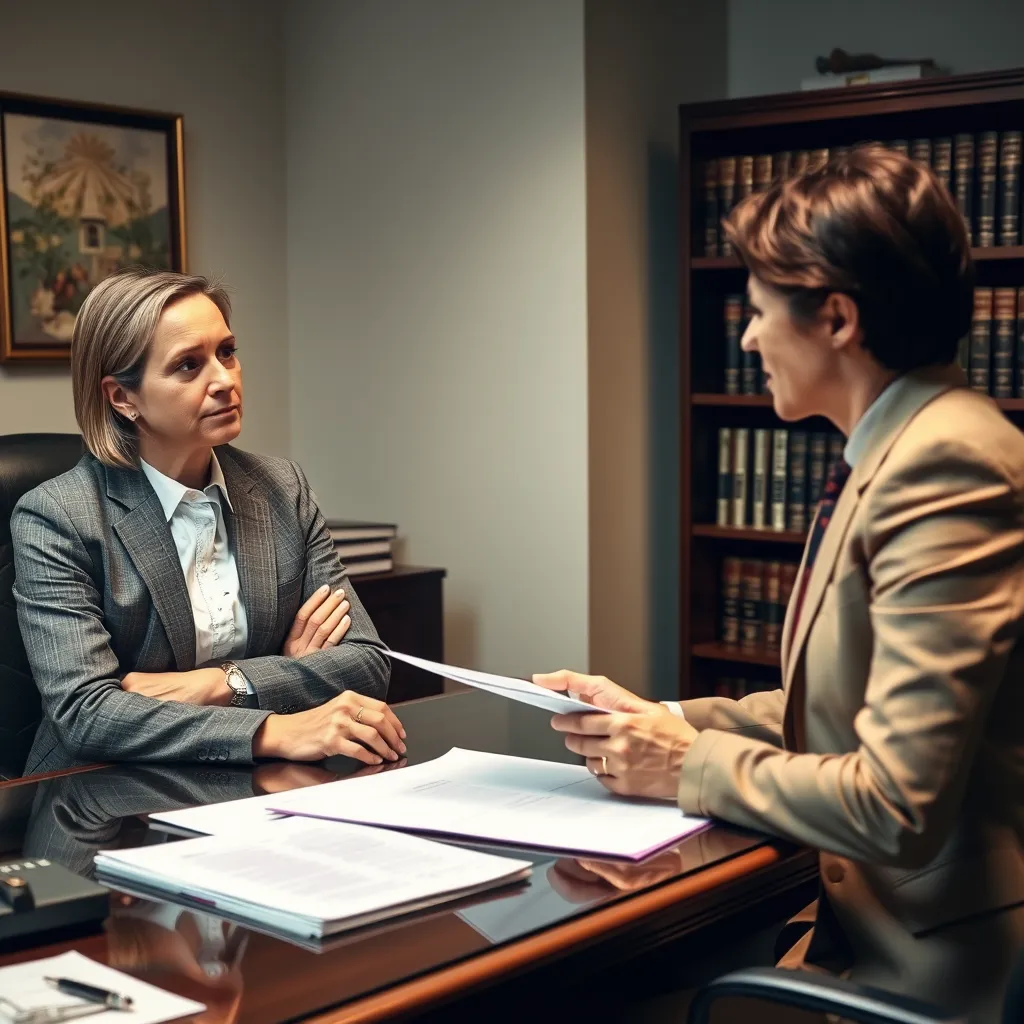
Legal consultation represents the next vital step. Meeting with an attorney who handles divorce due to abuse lawyer Arlington VA matters provides guidance on Virginia’s specific requirements. During this consultation, review the evidence, discuss legal strategy, and understand potential outcomes. The attorney explains Virginia’s cruelty standards, evidence requirements, and procedural rules specific to Arlington courts.
Document preparation follows consultation. Virginia requires specific forms for divorce filings, including the Complaint for Divorce, Civil Cover Sheet, and any supporting affidavits. The complaint must detail the cruelty allegations with sufficient specificity, including dates, descriptions of incidents, and their impact. Supporting documents like medical records or police reports should accompany the filing where appropriate.
Filing occurs at the Arlington Circuit Court Clerk’s Office. The complaining spouse submits the completed forms along with the filing fee or fee waiver request. Virginia requires residency of at least six months before filing, with additional county-specific requirements. Proper filing ensures the case enters the court system and receives a case number for tracking.
Service of process represents the next legal requirement. The filed documents must be formally delivered to the other spouse according to Virginia rules. This can occur through sheriff’s service, private process server, or acceptance of service if the spouse agrees to waive formal service. Proper service ensures the court has jurisdiction over both parties.
After service, the case proceeds through Virginia’s legal timeline. The responding spouse has 21 days to file an answer or other responsive pleading. If no response occurs, the complaining spouse may request a default judgment. If contested, the case moves to discovery, where both parties exchange evidence through interrogatories, document requests, and depositions.
Court proceedings vary based on case circumstances. Some cruelty divorces proceed to hearings where evidence gets presented to a judge. Others may settle through negotiation or mediation. Throughout this process, protective orders or other emergency relief may be necessary if safety concerns exist. Final resolution occurs through court decree ending the marriage and addressing related issues like property division, support, and custody.
Real-Talk Aside: The legal process takes time. Proper preparation and documentation make the journey smoother and more effective.
Can I Get a Divorce for Emotional Abuse
Emotional abuse qualifies as cruelty grounds for divorce in Virginia when it creates conditions that make continued cohabitation intolerable or hazardous to mental health. The legal standard recognizes that psychological harm can be as damaging as physical injury in marital relationships. Virginia courts have established criteria for evaluating emotional abuse claims, focusing on patterns of behavior rather than isolated incidents.
Legal definitions of emotional abuse in divorce contexts encompass various behaviors. Verbal abuse including constant criticism, insults, humiliation, or threats represents common forms. Controlling behavior that isolates a spouse from friends, family, or financial resources qualifies. Intimidation through words, actions, or gestures that create fear falls within this category. Gaslighting—manipulating someone into doubting their reality—represents another recognized form of emotional cruelty.
Evidence requirements for emotional abuse cases differ from physical cruelty claims. Documentation often includes journals detailing incidents with dates, times, and specific descriptions of abusive behavior. Electronic evidence like text messages, emails, or social media posts can demonstrate patterns of abusive communication. Witness testimony from friends, family, or professionals who observed the behavior or its effects carries weight. Medical records showing treatment for anxiety, depression, or other stress-related conditions resulting from the abuse provide important documentation.
Professional evaluations play significant roles in emotional abuse cases. Mental health professionals can provide assessments documenting the impact of alleged abuse. Therapists or counselors who treated either spouse may offer insights into behavioral patterns and their effects. In some cases, court-appointed evaluators provide neutral assessments of the marital situation and alleged cruelty.
Legal challenges in emotional abuse cases often involve proving subjective experiences objectively. Unlike physical injuries with visible evidence, emotional harm requires different demonstration methods. Courts look for consistency in allegations, corroborating evidence, and documented impacts on daily functioning. Patterns of behavior over time carry more weight than isolated incidents, unless those incidents are particularly severe.
Protective measures during emotional abuse divorce proceedings address safety concerns. Temporary protective orders may restrict contact or communication between spouses. Court procedures can accommodate separate waiting areas or staggered appearances to minimize contact. Electronic filing and remote hearing options provide additional safeguards in appropriate cases.
Outcome considerations for emotional abuse divorces follow Virginia’s cruelty standards. Successful claims result in divorce decrees citing cruelty as grounds. This can influence related matters like property division, though Virginia follows equitable distribution principles regardless of fault. Spousal support considerations may factor in the impact of abuse on earning capacity or need. Child custody determinations prioritize children’s best interests, with evidence of emotional abuse potentially affecting parenting arrangements.
Real-Talk Aside: Emotional abuse cases need clear documentation. Patterns matter more than single incidents in court evaluations.
Why Hire Legal Help for Cruelty Divorce
Legal representation in cruelty divorce matters provides multiple advantages in handling Virginia’s specific legal requirements. Attorneys bring knowledge of state statutes, court procedures, and evidentiary standards that govern these cases. This professional guidance helps handle the legal system while protecting client rights throughout the divorce process.
Evidence management represents a primary benefit of legal assistance. Attorneys understand what types of evidence Virginia courts accept for cruelty claims and how to present them effectively. They help gather documentation, organize chronological records, and identify supporting materials that strengthen the case. Legal professionals know how to obtain medical records, police reports, and other official documents through proper channels. They also understand rules regarding electronic evidence and witness testimony.
Procedural guidance ensures compliance with Virginia’s legal requirements. Attorneys complete necessary forms accurately, meet filing deadlines, and follow service of process rules. They manage court scheduling, hearing preparations, and communication with court personnel. This procedural knowledge prevents technical errors that could delay or jeopardize the case. Legal professionals also handle discovery processes, responding to requests from the other party while protecting client interests.
Strategic planning develops effective approaches to cruelty divorce cases. Attorneys assess the strength of evidence, identify potential challenges, and plan responses to likely arguments from the opposing side. They consider settlement options versus trial strategies based on case specifics. Legal professionals help prioritize issues, manage expectations, and develop realistic goals for the divorce outcome.
Court representation provides advocacy during hearings and proceedings. Attorneys present evidence persuasively, examine witnesses effectively, and make legal arguments supporting the cruelty claims. They handle objections, procedural motions, and other courtroom dynamics that require legal training and experience. This representation ensures the client’s position receives proper consideration according to legal standards.
Emotional support, while not therapeutic, comes through managing the legal process professionally. Attorneys handle difficult communications with the other party or their counsel, reducing direct conflict for clients. They provide objective perspectives on case developments, helping clients make informed decisions without emotional pressure. Legal professionals also coordinate with other support systems like therapists or counselors when appropriate.
Related legal matters receive coordinated attention in cruelty divorce cases. Attorneys address property division according to Virginia’s equitable distribution laws, considering how cruelty allegations might influence these determinations. Spousal support issues get evaluated in context of the marriage circumstances and alleged abuse. Child custody and visitation arrangements prioritize children’s best interests while addressing any safety concerns related to cruelty allegations.
Future protection considerations extend beyond the divorce decree. Attorneys help establish appropriate provisions in final orders regarding communication, contact restrictions, or other safeguards. They ensure proper enforcement mechanisms exist for court orders. Legal professionals also provide guidance on post-divorce matters that may arise related to the cruelty allegations or their consequences.
Real-Talk Aside: Legal help manages both paperwork and protection. Proper guidance prevents procedural mistakes that could affect case outcomes.
FAQ:
What constitutes cruelty in Virginia divorce law?
Cruelty includes physical or mental mistreatment making cohabitation unsafe. Virginia requires evidence showing patterns of harmful behavior.
How long does a cruelty divorce take in Virginia?
Timelines vary based on case challenge and court schedules. Contested cases typically take several months to over a year.
What evidence is needed for emotional abuse claims?
Documentation includes journals, electronic communications, witness statements, and medical records showing psychological impact.
Can cruelty affect property division in Virginia?
Virginia follows equitable distribution regardless of fault, but cruelty evidence may influence certain discretionary decisions.
Are protective orders available during divorce proceedings?
Yes, temporary protective orders can restrict contact if safety concerns exist during the divorce process.
How does cruelty impact child custody decisions?
Courts prioritize children’s best interests, considering any evidence affecting parenting ability or child safety.
What if my spouse denies the cruelty allegations?
Your attorney presents evidence supporting your claims. The court evaluates all evidence to determine credibility.
Can I get spousal support in a cruelty divorce?
Spousal support determinations consider multiple factors including marriage duration and financial circumstances.
What happens if cruelty evidence is insufficient?
The case may proceed on other grounds or get dismissed. Legal counsel evaluates evidence strength early in the process.
How much does a cruelty divorce cost in Virginia?
Costs vary based on case challenge, attorney fees, and whether the case settles or goes to trial.
Should I move out during a cruelty divorce?
Consult legal counsel about housing decisions, as moving can affect custody and property rights.
Can cruelty be proven without physical violence?
Yes, emotional abuse patterns that create intolerable living conditions qualify as cruelty under Virginia law.
Past results do not predict future outcomes