
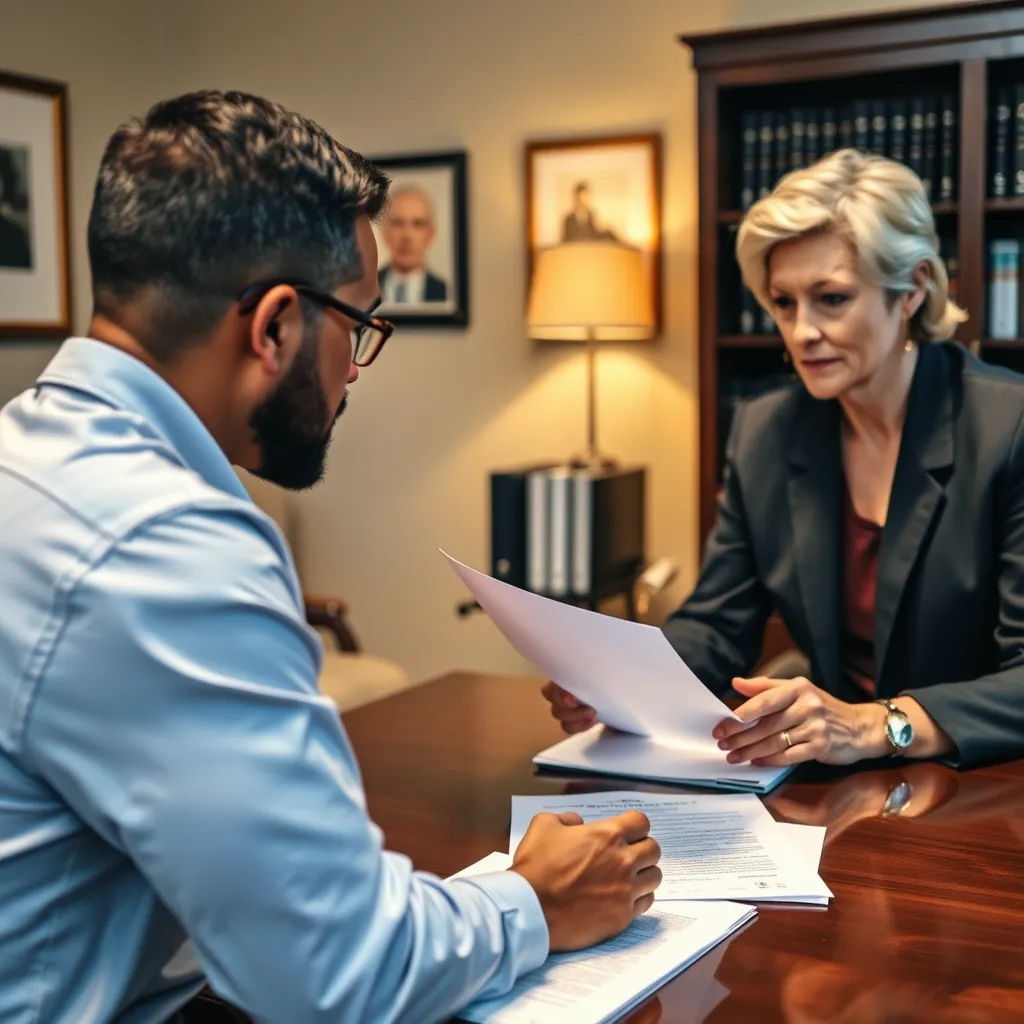
Note: This article is confirmed by Law Offices Of SRIS, P.C.
WRITTEN BY: Mr. Sris
Since 1997, Mr. Sris has led the firm, focusing on the most challenging criminal and family law cases… His background in accounting and information management aids in financial and technology-related cases… Involved in significant legislative changes in Virginia.
Insight: My focus since founding the firm in 1997 has always been directed towards personally handling the most challenging and involved criminal and family law matters our clients face.
Insight: I find my background in accounting and information management provides a unique advantage when handling the intricate financial and technological aspects inherent in many modern legal cases.
Insight: As someone deeply involved in the community, I believe it’s important to not only practice law but also to actively participate in shaping it, which is why I dedicated effort towards amending Virginia Code § 20-107.3 and achieving state recognition for cultural milestones.
Kinship Guardianship Lawyer Ashburn VA
What is Kinship Guardianship
Kinship guardianship represents a legal arrangement where family members assume responsibility for children when parents are unable to provide adequate care. This process involves obtaining court approval to make decisions about a child’s welfare, education, and medical treatment. The arrangement recognizes the importance of maintaining family connections during challenging circumstances.
Virginia law provides specific procedures for establishing kinship guardianship. The process begins with filing a petition in the appropriate court, demonstrating the need for guardianship and the petitioner’s relationship to the child. Documentation must show why the current parental arrangement is insufficient and how the proposed guardian can meet the child’s needs.
Establishing guardianship involves several steps. First, the petitioner must gather evidence about the child’s current living situation and the reasons parental care is inadequate. Medical records, school reports, and witness statements may support the petition. Financial documentation shows the proposed guardian’s ability to provide for the child’s needs.
Legal representation helps manage the guardianship process effectively. An attorney can prepare necessary documents, represent the petitioner in court, and address any challenges that arise. Proper handling of the legal requirements increases the likelihood of a successful outcome while protecting the rights of all involved parties.
Real-Talk Aside: This process takes time and requires thorough documentation. Be prepared for court appearances and detailed questioning about your ability to care for the child.
How to Establish Relative Guardianship
The process for establishing relative guardianship follows specific legal requirements in Virginia. Beginning with proper documentation, petitioners must demonstrate both the need for guardianship and their capability to serve as guardians. This involves gathering evidence about the child’s current situation and the reasons parental care is insufficient.
Filing the petition represents the first formal step. This document outlines the relationship between petitioner and child, explains why guardianship is necessary, and requests specific legal authority. Supporting documents typically include birth certificates, proof of relationship, and evidence about the child’s current living conditions.
Court proceedings involve presenting evidence to a judge. The petitioner must demonstrate that guardianship serves the child’s best interests. This may include testimony about the child’s needs, the petitioner’s ability to meet those needs, and the reasons parental care is inadequate. The court considers factors like stability, emotional bonds, and practical considerations.
Legal representation provides important support during this process. An attorney helps prepare documentation, represents the petitioner in court, and addresses any legal challenges. This assistance helps ensure all requirements are met while protecting the rights of both the petitioner and the child.
Real-Talk Aside: Courts look closely at your ability to provide stable care. Have your financial and living arrangements in order before starting this process.
Can I Become a Family Guardian
Family members considering guardianship must meet specific legal requirements established by Virginia law. Eligibility depends on factors including relationship to the child, ability to provide care, and demonstration that guardianship serves the child’s best interests. The court evaluates each petition individually based on the specific circumstances.
Relationship to the child represents a fundamental consideration. Close relatives like grandparents, aunts, uncles, or adult siblings typically have stronger claims than more distant relatives. The court examines the existing relationship between petitioner and child, considering factors like previous caregiving involvement and emotional bonds.
Practical considerations include living arrangements and financial stability. The proposed guardian must demonstrate adequate housing, income to support the child’s needs, and ability to manage medical and educational requirements. Documentation of employment, housing stability, and support systems helps establish suitability.
The legal process involves demonstrating why parental care is insufficient. This may involve situations where parents are unable to care for children due to various circumstances. Evidence must show that guardianship represents the most appropriate solution for maintaining the child’s welfare and stability.
Real-Talk Aside: Be honest about your limitations. Courts appreciate realistic assessments of what you can provide rather than promises you might not keep.
Why Hire Legal Help for Kinship Guardianship
Legal assistance provides valuable support for families pursuing kinship guardianship. Attorneys familiar with Virginia’s specific requirements can help manage the process effectively, from initial documentation through court proceedings. This guidance helps ensure all legal requirements are met while protecting the rights of both petitioner and child.
Professional representation helps prepare necessary documentation accurately. Guardianship petitions require specific information presented in proper format. Legal professionals understand what evidence courts require and how to present it effectively. This attention to detail increases the likelihood of successful outcomes.
Court representation provides important advocacy during proceedings. Attorneys can present arguments effectively, respond to judicial questions, and address any challenges that arise. This support helps petitioners feel more confident during what can be an emotionally challenging process.
Legal guidance also helps anticipate and address potential complications. Situations may involve multiple family members with different opinions, or challenges from parents opposing guardianship. Professional representation helps develop strategies for managing these situations while keeping focus on the child’s best interests.
Real-Talk Aside: Trying to handle this alone often leads to delays and frustration. Professional help typically saves time and reduces stress in the long run.
FAQ:
What is kinship guardianship?
Kinship guardianship allows relatives to obtain legal authority over children when parents cannot provide care. This arrangement helps maintain family connections.
Who can file for kinship guardianship?
Close relatives like grandparents, aunts, uncles, or adult siblings can file. The court evaluates each petitioner’s relationship and ability to provide care.
What documents are needed?
Required documents include birth certificates, proof of relationship, financial records, and evidence about the child’s current living situation.
How long does the process take?
The timeline varies but typically takes several months. Court schedules and case challenge affect how quickly matters proceed.
Can parents contest guardianship?
Parents can contest guardianship petitions. Courts consider all arguments while focusing on the child’s best interests.
What authority does a guardian have?
Guardians can make decisions about education, medical care, and daily welfare. Specific authority depends on court orders.
Is guardianship permanent?
Guardianship can be temporary or permanent depending on circumstances. Courts review arrangements periodically.
What if circumstances change?
Guardianship arrangements can be modified if situations change significantly. Courts consider new evidence about what serves the child’s interests.
How much does it cost?
Costs vary based on case challenge. Court fees and legal expenses should be considered when planning.
Can I get financial assistance?
Some programs provide support for kinship caregivers. Eligibility depends on specific circumstances and requirements.
What if the child has special needs?
Courts consider special needs when evaluating guardianship. Additional documentation may be required about care arrangements.
Can multiple relatives share guardianship?
In some cases, courts approve shared guardianship arrangements. This requires clear agreements about responsibilities.
Past results do not predict future outcomes