
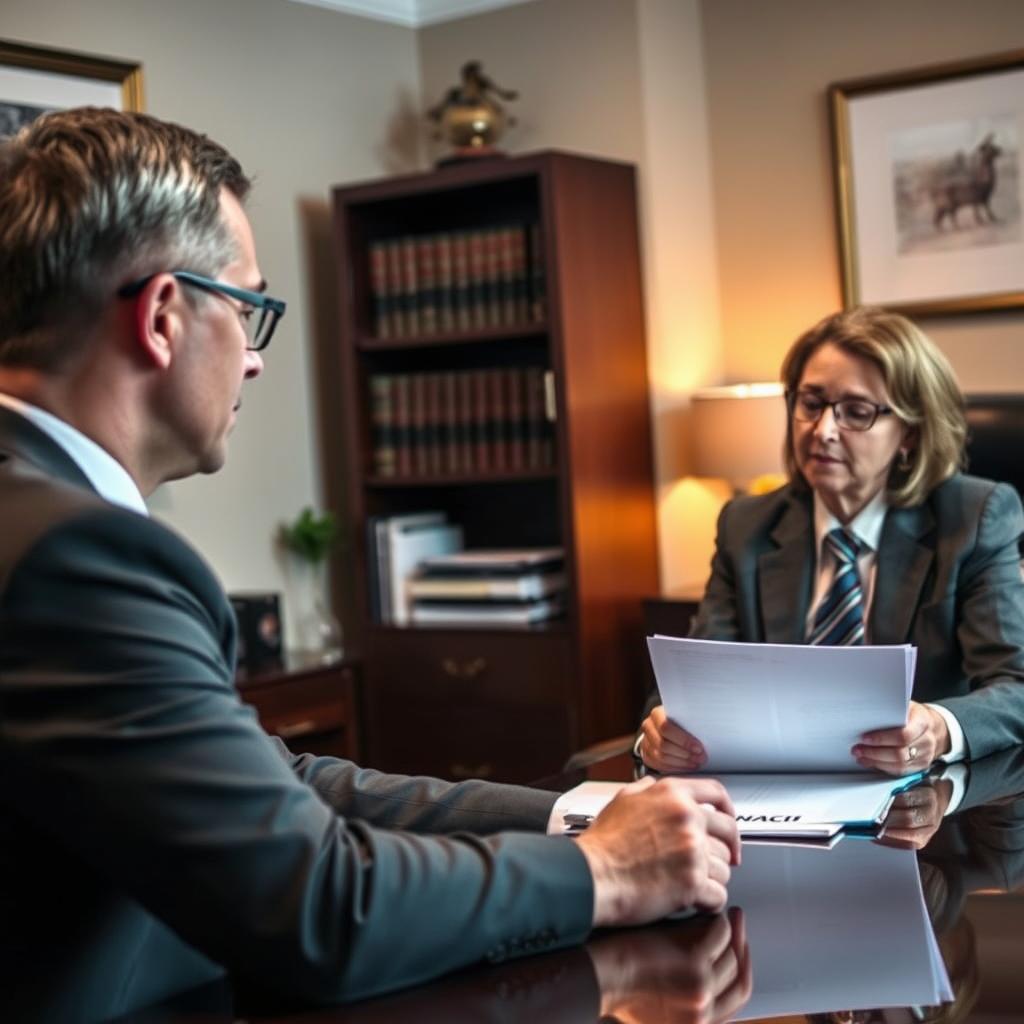
Beach Military Divorce Lawyer Chesapeake, VA
Military families stationed in the Hampton Roads area face unique challenges when a marriage ends. If you are a service member or military spouse in Chesapeake, Virginia, navigating a divorce requires an understanding of both state family law and federal protections such as the Servicemembers Civil Relief Act and the Uniformed Services Former Spouses’ Protection Act. At Law Offices Of SRIS, P.C., Mr. Sris, Owner and Founder, and his Of Counsel team bring extensive combined legal experience to these matters. The firm has served clients since 1997 and concentrates its practice on divorce, custody, support, and property division involving military pensions. To discuss your situation, call (888) 437-7747. Law Offices Of SRIS, P.C. – Advocacy Without Borders.
What Beach Military Divorce Means in Chesapeake, Virginia
“Beach military divorce” refers to divorce cases arising within the military community concentrated near the Virginia Beach, Norfolk, and Chesapeake coastline—home to Naval Station Norfolk, Joint Expeditionary Base Little Creek–Fort Story, and numerous other installations. Chesapeake, as one of the independent cities in the Hampton Roads region, falls within the First Judicial District of Virginia. Divorce and equitable distribution matters are heard in the Chesapeake Circuit Court, while standalone custody, visitation, child support, and protective order cases proceed in the Chesapeake Juvenile and Domestic Relations District Court.
Virginia is an equitable distribution state under Va. Code § 20‑107.3. Marital property—including the marital share of a military pension—is divided fairly but not necessarily equally. The court considers statutory factors such as the length of the marriage, the contributions of each spouse, and the circumstances surrounding the dissolution. For military families, significant issues frequently include the division of retirement benefits under the Uniformed Services Former Spouses’ Protection Act (10 U.S.C. § 1408), the impact of deployment on custody and visitation arrangements, and the application of the Servicemembers Civil Relief Act (50 U.S.C. §§ 3901‑4043) to stay proceedings. A thorough understanding of how these federal statutes interact with Virginia law is essential in a beach military divorce.
Mr. Sris and his Of Counsel handle divorce cases at the Chesapeake Circuit Court and related matters in the Juvenile and Domestic Relations Court. They are familiar with the local procedural requirements, including the need for a corroborating witness in uncontested divorce hearings and the availability of mediation to resolve disputes without trial. When complex marital estates involve military benefits, forensic accountants or business valuators may be engaged to ensure a complete financial picture is presented to the court.
How Mr. Sris and His Of Counsel Handle Military Divorce Cases
Military divorce cases require focused attention to the intersection of state domestic relations law and federal military statutes. The process typically begins with a thorough review of the client’s situation, including the length of the marriage, whether it overlaps with the service member’s qualifying years of service, the presence of minor children, and any existing separation agreement. Virginia allows both no‑fault and fault‑based grounds for divorce. A no‑fault divorce is available after the parties have lived separate and apart for one year, or for six months if they have no minor children and have signed a written separation agreement (Va. Code § 20‑91(9)). Fault grounds such as adultery, cruelty, or desertion may also be asserted.
Because military pensions are often among the largest assets in a marriage, the team at Law Offices Of SRIS, P.C. is experienced in preparing qualified domestic relations orders and military pension division orders that comply with federal requirements. They also address the Servicemembers Civil Relief Act, which can provide temporary stays of proceedings when a service member’s duty materially affects the ability to participate in the case. When custody and visitation are at issue, the court applies the trusted‑interests‑of‑the‑child standard under Va. Code § 20‑124.3, examining ten statutory factors. Deployments, remote assignments, and the demands of military life are carefully explained to the court so that parenting plans are realistic and stable for the child. Throughout the process, the goal is to reach a resolution that respects the financial security and family relationships of both parties.
About Mr. Sris and His Of Counsel Team
Mr. Sris is the Owner and Founder of Law Offices Of SRIS, P.C. A former prosecutor, he has practiced since 1997 and is admitted in Virginia, Maryland, the District of Columbia, New Jersey, and New York. His background includes testifying before the Virginia House Courts of Justice Committee in support of 2019 HB 635 (chief patron Del. David Bulova), a bill that revised the equitable distribution statute governing how property is divided in Virginia divorces.
Mr. Sris is joined by Of Counsel attorneys who collectively contribute extensive combined legal experience. These attorneys, engaged through Excella, each bring substantial courtroom and negotiation skill to the firm’s family law practice. While every case is staffed to ensure the client receives focused attention, the client retains the benefit of the team’s collective knowledge—particularly in the specialized area of military divorce. To request a consultation, call (888) 437-7747.
Frequently Asked Questions
How does a military divorce differ from a civilian divorce in Virginia?
A military divorce in Virginia involves the same state grounds and procedures as a civilian divorce, but adds federal protections and benefit calculations unique to service members and their spouses. Key distinctions include the division of military retired pay under the Uniformed Services Former Spouses’ Protection Act, potential stays of proceedings under the Servicemembers Civil Relief Act, and jurisdiction questions when a spouse is deployed or stationed outside Virginia. Because the Hampton Roads area hosts a large military population, Chesapeake courts regularly address these federal‑state intersections, making experience in both areas valuable.
What are the grounds for a divorce in Virginia?
Virginia recognizes both no‑fault and fault‑based grounds for divorce under Va. Code § 20‑91. For a no‑fault divorce, the spouses must have lived separate and apart for at least one year; if there are no minor children and the parties have signed a separation agreement, the separation period can be six months. Fault grounds include adultery, cruelty, willful desertion for one year, and felony conviction with imprisonment of more than one year. An attorney can help determine which ground best fits your circumstances and whether a fault‑based filing may affect property division or support.
How is a military pension divided in a Virginia divorce?
A military pension is treated as marital property to the extent it was earned during the marriage, and Virginia’s equitable distribution law allows the court to divide it fairly between the spouses. Under the Uniformed Services Former Spouses’ Protection Act, a state court may treat disposable retired pay as divisible property. The marital share is typically calculated using a coverture fraction, although the court is not required to apply any specific formula. A separate order—often called a military qualifying court order—must be prepared to direct the Defense Finance and Accounting Service to make payments directly to the former spouse, if the statutory conditions are met.
What protections does the SCRA offer a servicemember during divorce?
The Servicemembers Civil Relief Act allows a court to stay civil proceedings, including divorce, when a service member’s military duties materially affect the ability to appear or defend. A stay may be requested by the servicemember or entered by the court on its own motion. The purpose is to prevent default judgments while a service member is on active duty and unable to participate. The court retains discretion to lift the stay if the other party can show that the service member’s rights will not be prejudiced. An attorney familiar with the SCRA can advise on whether a stay is appropriate and how to present the request.
Do I need a lawyer for a military divorce in Chesapeake, Virginia?
You are not legally required to hire a lawyer to file for divorce in Virginia, but the complexity of military benefits and federal statutes often makes representation advisable. Mistakes in dividing a military pension, failing to address the survivor benefit plan, or overlooking SCRA protections can have long‑term financial consequences. A lawyer can also help ensure that a separation agreement is enforceable and that all procedural requirements—such as the corroborating witness in an uncontested divorce—are met. For many military families, the cost of going without representation is far greater than the cost of obtaining it.
How do I select a Beach Military Divorce lawyer in Chesapeake, Virginia?
Look for a lawyer whose practice routinely handles military divorce and who demonstrates familiarity with both Virginia family law and the federal statutes that affect service members. The attorney should be able to explain how the court approaches the division of military pensions, what custody arrangements are realistic when deployments are frequent, and how the SCRA may apply to your case. A firm that has been practicing in Virginia since 1997 and has direct experience with Chesapeake courts can offer a steady, informed perspective. To speak with Mr. Sris or his Of Counsel about your situation, call (888) 437-7747.
Outbound Authority Sources:
Virginia Code Title 20 – Domestic Relations |
Chesapeake Circuit Court |
Virginia’s Judicial System
Attorney advertising. Prior results do not guarantee a similar outcome. Results may vary. Case results depend on a variety of factors unique to each case.