
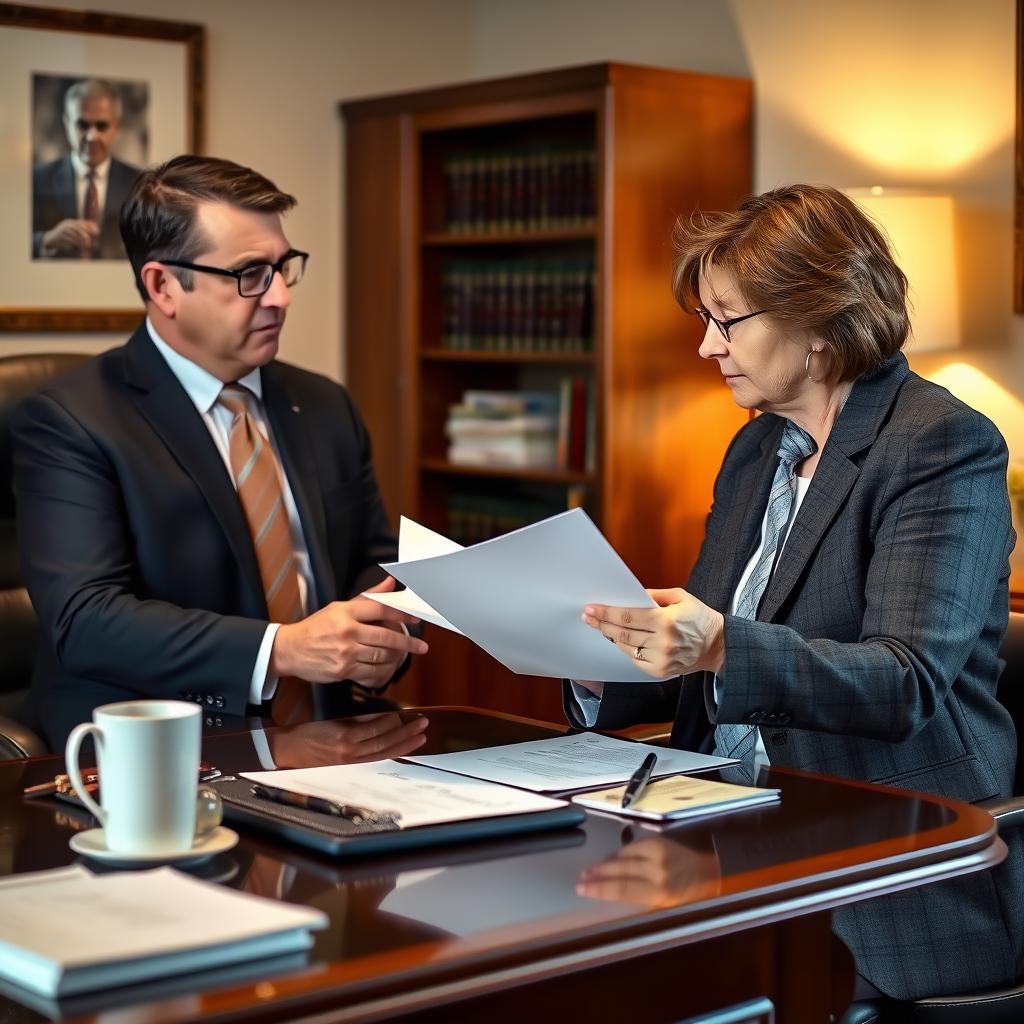
Separation Lawyer Suffolk, VA
You and your spouse have reached a point where living apart feels like the only path forward, but the path ahead is uncertain. You worry about dividing time with your children, protecting assets, and how the decisions you make today will shape a divorce down the road. A separation in Suffolk, Virginia, whether it begins informally or through a written agreement, sets the stage for the legal and personal transitions that follow. At Law Offices Of SRIS, P.C., we help clients in Suffolk and throughout the region understand what a separation means under Virginia law and how to build a durable framework for the future. Reach our firm at (888) 437‑7747 to schedule a consultation. Law Offices Of SRIS, P.C. – Advocacy Without Borders.
Creating a Separation Agreement That Works
Virginia does not recognize a formal judicial status called “legal separation,” but a signed property settlement agreement—commonly called a separation agreement—can accomplish many of the same objectives. The agreement resolves the financial and custody issues that would otherwise be contested later. Mr. Sris and his Of Counsel negotiate agreements that address property classification, spousal support, child custody, visitation, and child support, all in a single document that both spouses approve.
The separation agreement becomes the foundation for an uncontested divorce. Virginia law allows a no‑fault divorce after a period of living separate and apart—six months if no minor children are involved and the spouses have a signed agreement, or one year otherwise (Va. Code § 20‑91). For Suffolk residents, having a carefully drafted agreement can shorten the post‑separation waiting period and minimize conflict later.
Protecting Your Assets While Living Apart
During a separation in Suffolk, the assets and debts accumulated after the separation date may be considered separate property, but the line is not always bright. If one spouse uses a joint account to pay for a new car or runs up credit‑card debt, the other spouse could be exposed. Mr. Sris and his Of Counsel guide clients through the practical steps that help protect their financial position—closing joint accounts, documenting separate expenses, and, where necessary, seeking pendente lite relief from the Suffolk Circuit Court. Pendente lite orders can address temporary spousal support, exclusive use of the family home, and preservation of marital property while a divorce is pending (Va. Code § 20‑103).
For spouses who own a business, have retirement accounts, or hold real estate in multiple states, the separation phase is especially critical. The way assets are managed during separation can influence the eventual equitable distribution under Va. Code § 20‑107.3, where the court weighs eleven statutory factors to reach a fair division.
Children and Custody During Separation
When a Suffolk family separates, decisions about where the children live and how parenting time is shared must be made immediately—often before a court order is in place. An informal arrangement can work for some families, but without a written agreement, disputes over schedules, holidays, or schooling can escalate quickly. The Suffolk Juvenile and Domestic Relations District Court handles standalone custody and support matters, and the Suffolk Circuit Court decides those issues if they are part of a divorce.
Virginia courts decide custody based on the best interests of the child, considering ten factors set out in Va. Code § 20‑124.3. A separation agreement that includes a detailed parenting plan—covering legal custody, physical custody, and a visitation schedule—gives both parents clarity and reduces the chance of emergency court filings. Mr. Sris and his Of Counsel work with parents to craft plans that reflect each family’s unique rhythm while meeting the requirements Suffolk judges expect.
What to Expect from the Separation Process in Suffolk
The separation journey in Suffolk typically begins with a conversation about goals. Do the spouses intend to divorce, or are they merely testing a trial separation? Once that decision is made, the next step is often negotiating and drafting a separation agreement, which may require exchanging financial disclosures. If an agreement is not possible, one spouse may file a divorce complaint in Suffolk Circuit Court—the court that has exclusive original jurisdiction over divorce (Va. Code § 20‑96)—and raise issues of fault or no‑fault grounds.
At least one spouse must have been a domiciliary and resident of Virginia for six months before filing (Va. Code § 20‑97). After the suit is filed, the mandatory separation period continues to run. Once the waiting period is satisfied and the parties have either signed an agreement or are prepared to try the case, the court schedules a final hearing. Throughout this process, Mr. Sris and his Of Counsel provide guidance on the procedural steps and work toward a resolution that minimizes expense and emotional strain.
How Separation Affects the Final Divorce
The conduct of the parties during separation—whether they remain entangled financially, whether one spouse dissipates marital assets, whether they engage in conduct that constitutes cruelty—can all become relevant when the Suffolk Circuit Court divides property and decides spousal support. Virginia is an equitable distribution state: the court divides marital property fairly but not necessarily equally. The separation period is often when the factual record for the divorce is built, so decisions made now can carry long‑term consequences.
If the separation is peaceful, the spouses can emerge with an uncontested divorce and a clean division. If it is contentious, contested litigation may be unavoidable. In either scenario, Mr. Sris and his Of Counsel bring extensive combined legal experience to separation and divorce matters, guiding Suffolk clients through the choices that best protect their interests. Results may vary.
About Mr. Sris and His Of Counsel Team
Mr. Sris, Owner and Founder of Law Offices Of SRIS, P.C., has practiced family law since 1997. A former prosecutor, he brings a depth of trial experience to separation and divorce negotiations and litigation. He testified before the Virginia House Courts of Justice Committee in support of 2019 HB 635 (chief patron Del. David Bulova). His Of Counsel team—experienced attorneys engaged through Excella—handle family‑law matters with a focus on pragmatic outcomes. Together, they serve clients from the firm’s Richmond Location, appearing regularly in Suffolk’s courts.
Frequently Asked Questions
Is Virginia a community property state?
No, Virginia is an equitable distribution state—marital property is divided fairly but not necessarily 50/50. The Suffolk Circuit Court considers eleven factors under Va. Code § 20‑107.3 to reach a division, including the duration of the marriage and each spouse’s contributions. Separate property, such as assets owned before the marriage or received by gift or inheritance, is generally not divided. A separation agreement can alter this default and allow the spouses to decide their own property division.
Do I need a lawyer to draft a separation agreement in Suffolk?
Virginia law does not require a lawyer to draft a separation agreement, but having one helps ensure the agreement is legally sound. If a separation agreement contains ambiguous terms or overlooks important rights—like a spouse’s claim to a retirement account or the proper calculation of child support under Virginia guidelines—the entire agreement may be set aside later. An experienced family‑law attorney can anticipate these issues and draft language that Suffolk courts will enforce.
How does separation affect child custody in Suffolk?
While a separation is underway, parents can create a temporary custody arrangement either informally or through a written agreement. If no agreement is reached, either parent may file in the Suffolk Juvenile and Domestic Relations District Court to obtain a custody order. The court’s decision will be based on the best interests of the child using the ten factors in Va. Code § 20‑124.3. A well‑crafted separation agreement that includes a parenting plan can avoid custody litigation entirely.
What is the difference between a trial separation and a permanent separation in Virginia?
A trial separation is an informal period of living apart without a formal agreement, while a permanent separation usually includes a signed separation agreement and is intended to lead to divorce. In a trial separation, spouses are still married and may reconcile; the clock for no‑fault divorce does not start running. A permanent separation, documented by a property settlement agreement and the couple’s intent to remain apart, starts the statutory waiting period for a no‑fault divorce under Va. Code § 20‑91.
Can a separation agreement be modified later?
Yes, a separation agreement can be modified if both spouses consent, or a court may modify certain provisions—particularly those involving child support and custody—if there has been a material change in circumstances. Property division terms are generally final, though a judge may revisit them in limited circumstances such as fraud or mutual mistake. For that reason, it is important to negotiate a full and fair agreement the first time, with the guidance of counsel.
What if my spouse refuses to sign a separation agreement?
If your spouse refuses to sign, you can still separate and later file for divorce on fault or no‑fault grounds. Without an agreement, you will not qualify for the shorter six‑month separation period, and you may have to litigate all issues in the Suffolk Circuit Court. Even without an agreement, pendente lite relief can provide temporary support, custody, and exclusive use of the home during the separation. Mr. Sris and his Of Counsel can explain your options during a consultation.
Additional resources for Suffolk families: Virginia Code Title 20 (Domestic Relations) | Suffolk Circuit Court | Virginia Judicial System
Our Richmond Location serves clients in Suffolk, Harbour View, and throughout the region. By appointment only. Call (888) 437‑7747 to schedule a consultation.
Attorney advertising. Prior results do not guarantee a similar outcome. Results may vary.
Case results depend on a variety of factors unique to each case.