
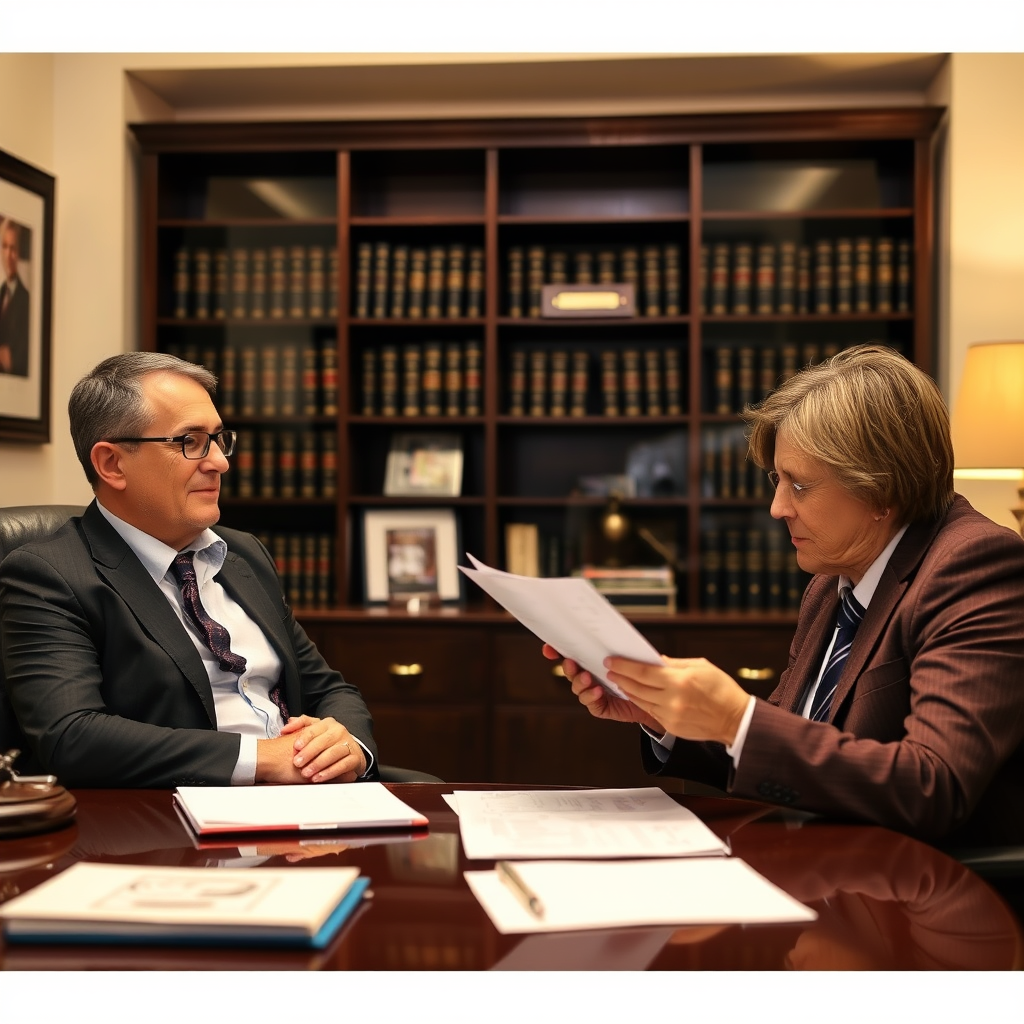
Uncontested Divorce in Hampton, VA: Your Path to a Simpler Separation
As of December 2025, the following information applies. In Hampton, an uncontested divorce involves both spouses agreeing on all terms, making the process smoother and often quicker. This means they’ve settled property division, spousal support, and child custody/support outside of court. The Law Offices Of SRIS, P.C. provides dedicated legal defense for these matters.
Confirmed by Law Offices Of SRIS, P.C.
What is Uncontested Divorce in Hampton, VA?
An uncontested divorce in Hampton, Virginia, happens when you and your spouse agree on every single aspect of ending your marriage. Think of it like this: instead of battling it out in court over who gets what or who sees the kids when, you both sit down and work through these issues yourselves. This includes how to divide assets and debts, whether one person will pay spousal support (alimony) to the other, and, if you have children, how you’ll handle custody, visitation, and child support. When everything is resolved and put into a formal agreement, it becomes an uncontested divorce, allowing you to finalize your separation without the need for a judge to make those decisions for you.
Takeaway Summary: An uncontested divorce in Hampton, VA, is when both spouses fully agree on all terms of their separation, streamlining the legal process. (Confirmed by Law Offices Of SRIS, P.C.)
Getting a divorce can feel like you’re trying to untangle a giant knot. It’s emotionally draining, financially stressful, and often leaves you feeling overwhelmed. But what if there’s a simpler way, especially when you and your spouse are on the same page about moving forward? That’s where an uncontested divorce comes in, offering a more direct and less confrontational path to a new beginning.
In Hampton, VA, like anywhere else, life keeps moving, and sometimes relationships don’t go the distance. When both parties can communicate and cooperate, an uncontested divorce can save you considerable time, money, and emotional energy. It’s not always easy, but it’s definitely the smoother route if it’s an option for you. At Law Offices Of SRIS, P.C., we understand the nuances of these situations and are here to guide you through every step.
Many people dread the thought of divorce, picturing courtroom dramas and endless legal battles. While some cases do go down that road, it’s far from the only option. An uncontested divorce often means you avoid much of that turmoil. It’s about reaching a mutual understanding and documenting it legally so you can both move on with certainty. We’re not just here to process paperwork; we’re here to ensure your agreement is fair, legally sound, and protects your interests now and in the future.
One of the biggest advantages of an uncontested divorce is the control you maintain over the outcome. Instead of a judge making decisions about your family and finances, you and your spouse decide together. This collaborative approach can lead to more satisfying and sustainable agreements, as both parties have a hand in shaping their post-divorce lives. We’ll help you articulate your agreement clearly and comprehensively, addressing all legal requirements.
Virginia law requires a period of separation before you can finalize a divorce. For an uncontested divorce in Hampton, if you have minor children, you must live separate and apart without cohabitation and without any intent of reconciliation for a period of twelve months. If you do not have minor children, this separation period is reduced to six months. This requirement is non-negotiable and provides a crucial period for both parties to adjust to their new circumstances and solidify their agreement.
Even though it’s ‘uncontested,’ the process still involves legal filings and adhering to specific state laws. Missing a detail or incorrectly filing a document can delay your divorce or, worse, lead to unforeseen problems down the line. That’s why having knowledgeable legal counsel managing your case is so important. We ensure all paperwork is precise, properly submitted, and compliant with Hampton and Virginia legal standards.
Divorce, even when amicable, marks a significant life transition. It’s a time when you need clear information, empathetic guidance, and direct support. Our role is to demystify the legal jargon and ensure you fully understand each part of your agreement. We’re here to answer your questions, address your concerns, and help you make informed decisions that serve your best interests and those of your family.
Beyond the legal technicalities, an uncontested divorce can provide a framework for a more respectful post-marital relationship, especially vital when children are involved. By resolving issues cooperatively now, you lay the groundwork for effective co-parenting and reduce potential future conflicts. We assist in crafting agreements that are not only legally enforceable but also promote stability and clarity for everyone involved.
How to Get a Simple Divorce in Hampton, VA?
Getting an uncontested, simple divorce in Hampton, VA, involves several key steps. It’s not just about agreeing to disagree; it’s about formalizing that agreement legally. Here’s a breakdown of the typical process:
Meet the Separation Requirement:
Before you can even begin the paperwork, Virginia law requires a period of separation. If you have minor children, you must live separate and apart for at least twelve continuous months with no intent of reconciliation. If you don’t have minor children, this period is six months. This is a foundational step, and you cannot file for divorce until this requirement is met.
Reach a Marital Settlement Agreement:
This is the heart of an uncontested divorce. You and your spouse must agree on all issues related to your marriage’s dissolution. This includes dividing marital property (assets and debts), determining spousal support (alimony), and, if applicable, establishing child custody, visitation schedules, and child support. This agreement should be comprehensive and cover every aspect of your separation. It’s often beneficial to have an attorney review or draft this document to ensure it’s legally sound and enforceable.
File the Complaint for Divorce:
Once the separation period is satisfied and you have a written Marital Settlement Agreement, one spouse (the ‘Complainant’) will file a Complaint for Divorce with the Clerk of the Circuit Court in Hampton. This document formally requests the court to grant your divorce. It must include specific details as required by Virginia law, such as the grounds for divorce (which, in an uncontested case, is typically the separation period) and statements about the Marital Settlement Agreement.
Serve the Other Spouse:
After the Complaint is filed, the other spouse (the ‘Defendant’) must be formally notified of the divorce action. This is called ‘service of process.’ In an uncontested divorce, the Defendant can waive formal service by signing a document acknowledging receipt of the Complaint. This is a common and efficient way to proceed when both parties are cooperating.
Defendant Files a Responsive Pleading:
The Defendant then has a set amount of time to file a responsive pleading, such as an Answer or a Waiver of Notice. In an uncontested divorce, the Defendant typically acknowledges the complaint and indicates agreement with the terms, often referencing the Marital Settlement Agreement. This confirms their lack of opposition to the divorce.
Submit the Marital Settlement Agreement and Other Documents:
The signed Marital Settlement Agreement is submitted to the court, often along with an Affidavit for Divorce, which is a sworn statement confirming the details of the separation and agreement. Other affidavits or documents might be required depending on your specific circumstances, especially concerning children or property.
Final Order of Divorce:
Once all necessary documents are filed and reviewed by the court, and assuming everything is in order, the judge will issue a Final Order of Divorce. This order legally ends your marriage and incorporates the terms of your Marital Settlement Agreement, making it a legally binding court order. This is the official conclusion of your divorce process in Hampton, VA.
Throughout these steps, having experienced legal counsel can make a significant difference. We manage the paperwork, ensure compliance with all deadlines, and verify that your Marital Settlement Agreement is drafted correctly, saving you potential headaches and delays. Our goal is to make your quick divorce in Virginia as smooth and stress-free as possible.
A simple divorce isn’t necessarily ‘easy,’ but it’s certainly more straightforward than a contested one. It still demands attention to detail and a thorough understanding of Virginia’s family law. Don’t underestimate the importance of legal review, even when you and your spouse are in agreement. A small oversight today can lead to big problems tomorrow.
Think of it like building a house. Even if you have the perfect blueprints and all the materials, you still need skilled builders to ensure everything is constructed correctly and to code. Similarly, with a simple divorce, the agreement is your blueprint, and our legal team acts as your skilled builders, ensuring your divorce is finalized properly and securely.
Many couples attempt to handle an uncontested divorce themselves to save money. While admirable, this often leads to errors that cost more in the long run. We’ve seen situations where self-represented parties overlook critical aspects, like proper division of retirement accounts or future adjustments to child support, causing them to return to court years later. Investing in knowledgeable legal counsel upfront prevents these costly mistakes.
Can I Avoid Court Altogether with an Uncontested Divorce?
This is a common question and a valid concern for anyone facing divorce. The short answer is yes, largely. With an uncontested divorce in Hampton, VA, the goal is to resolve all issues outside of the courtroom through mutual agreement. This means you avoid the lengthy, public, and often combative litigation process that many people associate with divorce. Your appearance in court, if required at all, is typically brief and ministerial—meaning it’s just to formalize the agreement you’ve already reached.
Blunt Truth: While you’ll still interact with the court system for filings and a judge to sign your final order, an uncontested divorce dramatically minimizes direct courtroom appearances. Most of the ‘heavy lifting’—negotiating terms, drafting agreements, and preparing paperwork—happens outside of a courtroom, often with the assistance of your attorney.
The peace of mind that comes with knowing you won’t have to face your spouse in a contentious trial is invaluable. Instead, the focus shifts to cooperative problem-solving and establishing a framework for your separate lives. This approach can be particularly beneficial for families with children, as it models a more amicable way to handle disagreements, which can be healthier for everyone involved.
However, it’s important to understand that ‘uncontested’ doesn’t mean ‘zero legal involvement.’ You still need to file documents with the Circuit Court, adhere to Virginia’s legal requirements for divorce, and have a judge sign off on your final divorce decree. Our role is to manage this judicial side of things for you, making sure every ‘i’ is dotted and every ‘t’ is crossed, so your divorce is legally sound and finalized efficiently.
Sometimes, even in an uncontested situation, minor disagreements can arise during the drafting of the Marital Settlement Agreement. This is where skilled negotiation and mediation skills come into play. Counsel at Law Offices Of SRIS, P.C. can help facilitate these discussions, keeping them productive and focused on reaching a mutual resolution, preventing them from escalating into a full-blown contested case.
Our experienced team understands that even a ‘simple’ divorce carries emotional weight. We provide a steady hand, offering reassurance and clear steps forward, so you don’t feel lost in the legal details. Our goal is to help you achieve a final divorce order that truly reflects your agreement and allows you to transition smoothly into your next chapter.
Imagine the relief of moving forward without the constant anxiety of a pending court date or the stress of uncertain outcomes. That’s the kind of clarity and hope an uncontested divorce, properly managed, can offer. It’s about taking control of your future rather than leaving it in the hands of the court.
Why Hire Law Offices Of SRIS, P.C. for Your Hampton Uncontested Divorce?
When you’re looking for a simple divorce in Hampton, VA, you need more than just someone to fill out forms. You need knowledgeable legal counsel who understands the local legal landscape, can anticipate potential issues, and truly cares about your outcome. At Law Offices Of SRIS, P.C., we bring a blend of dedication, experience, and a client-focused approach to every uncontested divorce case.
Mr. Sris, our founder, brings a unique perspective to family law matters. He shares, “My focus since founding the firm in 1997 has always been directed towards personally handling the most challenging and complex criminal and family law matters our clients face.” This dedication to even the most sensitive and intricate family situations extends to uncontested divorces, ensuring that even when things seem simple, they are handled with the utmost care and precision.
While an uncontested divorce might appear straightforward, there are still many legal pitfalls. Issues like proper asset valuation, equitable division of debts, future tax implications, and precise language in child custody arrangements require a keen legal eye. An error here can lead to significant problems down the line, costing you more in future legal fees and emotional distress. We prevent these issues by meticulously drafting your agreements and ensuring all legal requirements are met.
Our team understands that divorce is a deeply personal journey. We approach each case with empathy and a commitment to protecting your interests. We take the time to listen to your specific circumstances, explain your options clearly, and guide you toward a resolution that supports your long-term well-being. You’re not just another case file to us; you’re an individual seeking a fresh start.
Choosing Law Offices Of SRIS, P.C. means choosing a firm that prioritizes efficiency without sacrificing thoroughness. We streamline the uncontested divorce process, working diligently to get your divorce finalized in a timely manner. Our goal is to reduce stress and help you move forward confidently, knowing that your legal matters are in capable hands.
We manage all the intricate legal documents, ensuring proper filing with the Hampton Circuit Court and compliance with all Virginia statutes. This includes drafting your Marital Settlement Agreement, preparing the Complaint for Divorce, managing service of process, and submitting the final order. You can rest assured that the legal legwork is being handled accurately and efficiently.
Our firm has a long-standing reputation for providing dedicated legal representation across Virginia. We leverage our deep understanding of family law to ensure your uncontested divorce is not only successful but also provides a solid foundation for your future. We are prepared to address any complexities that might arise, even in seemingly simple cases, ensuring you’re fully protected.
Even in an uncontested divorce, having a buffer between you and your spouse can be incredibly helpful. Our role extends to facilitating communications, ensuring that all interactions remain civil and productive, especially when emotions run high. This allows you to focus on rebuilding your life while we manage the legal aspects.
We are committed to providing you with a confidential case review, offering clear, actionable advice tailored to your situation. We believe in empowering our clients with information, so you can make decisions confidently. Let us help you navigate this transition with dignity and a clear path forward.
Call now for a confidential case review. Our team is ready to discuss your uncontested divorce in Hampton, VA, and provide the dedicated legal support you need.
Frequently Asked Questions About Uncontested Divorce in Hampton, VA
Q: How long does an uncontested divorce take in Hampton, VA?
An uncontested divorce in Hampton typically takes less time than a contested one. After meeting the six or twelve-month separation requirement, the legal process itself can often be finalized within a few weeks to a few months, depending on court schedules and how quickly paperwork is processed. It is generally the quickest way to divorce.
Q: Do both spouses need a lawyer for an uncontested divorce?
While not legally required, it’s highly recommended both spouses have separate legal counsel or at least one spouse is represented. An attorney ensures your rights are protected, the agreement is fair, and all legal requirements are met, preventing future disputes that could arise from an improperly drafted agreement.
Q: What if we can’t agree on everything in our uncontested divorce?
If minor disagreements arise, experienced legal counsel can help mediate and negotiate solutions to keep the divorce uncontested. If significant issues remain unresolved, the divorce may become contested, requiring a different legal approach. The goal is to reach full agreement before filing.
Q: What is a Marital Settlement Agreement?
A Marital Settlement Agreement (MSA) is a legally binding contract that outlines all terms of your divorce, including property division, debt allocation, spousal support, and, if applicable, child custody and support. It’s crucial for an uncontested divorce as it’s incorporated into the final divorce decree.
Q: Is a Quick Divorce Virginia always an uncontested divorce?
Generally, yes. A ‘quick divorce’ in Virginia almost always refers to an uncontested divorce because it’s the most efficient and streamlined process. Contested divorces involve litigation, which is inherently time-consuming and rarely described as quick due to court calendars and discovery processes.
Q: What are the residency requirements for divorce in Virginia?
To file for divorce in Virginia, at least one spouse must have been a resident of Virginia for at least six months immediately preceding the filing of the complaint. This ensures the court has jurisdiction over the divorce proceedings.
Q: Can I file for an uncontested divorce if my spouse lives out of state?
Yes, you can. If you meet Virginia’s residency requirements, you can file. The challenge lies in serving the out-of-state spouse and ensuring they agree to the terms. An attorney can manage the complexities of interstate service and agreements.
Q: How is child custody handled in an uncontested divorce?
In an uncontested divorce, you and your spouse will agree upon a parenting plan, outlining legal and physical custody, visitation schedules, and decision-making for your children. This plan is then incorporated into your Marital Settlement Agreement and becomes part of the final court order.
Q: What happens if I reconcile during the separation period?
If you reconcile and cohabit during the required separation period, the clock for the separation period resets. The law is strict on the continuous nature of separation without cohabitation and without any intent of reconciliation for the duration of the required period.
Q: What if I have complex assets, even in an uncontested case?
Even with complex assets, an uncontested divorce is possible if both parties agree on their division. However, it requires thorough disclosure and careful drafting in the Marital Settlement Agreement to ensure a fair and legally sound distribution. Experienced legal counsel is invaluable here.
The Law Offices Of SRIS, P.C. has locations in Virginia in Fairfax, Loudoun, Arlington, Shenandoah and Richmond. In Maryland, our location is in Rockville. In New York, we have a location in Buffalo. In New Jersey, we have a location in Tinton Falls.
Past results do not predict future outcomes.