
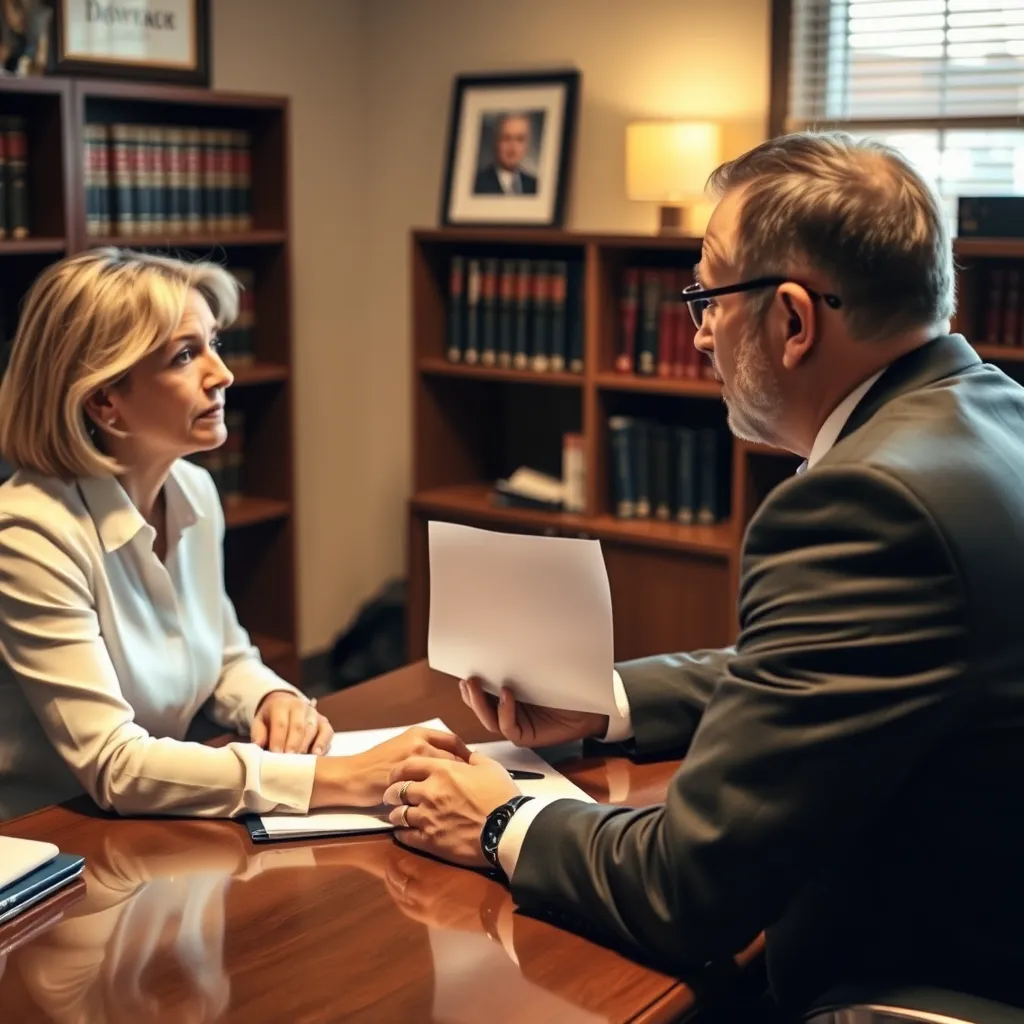
Temporary Guardianship Lawyer Hampton, VA
When a child in Hampton, Virginia, needs immediate protection and a stable living situation, temporary guardianship can provide a legal solution that prioritizes the child’s safety while preserving family relationships. Law Offices Of SRIS, P.C., founded in 1997, represents clients throughout Hampton and the surrounding Hampton Roads region in guardianship proceedings before the Hampton Juvenile and Domestic Relations District Court and the Hampton Circuit Court. Mr. Sris, Owner and Founder of the firm, and his Of Counsel team understand the sensitive nature of these cases and the importance of presenting a thorough, well-documented petition that addresses the court’s concerns about the child’s best interests. Whether you are a grandparent, relative, or family friend seeking temporary guardianship, or a parent responding to a petition, our firm provides experienced guidance at every stage. The Hampton court system, including the Juvenile and Domestic Relations District Court located at 236 North King Street, often requires petitioners to demonstrate immediate need and a viable care plan. Understanding the local procedures and the factors judges consider can make a significant difference in the outcome. Reach our team at (888) 437-7747 to request a consultation. Law Offices Of SRIS, P.C. – Advocacy Without Borders.
What Temporary Guardianship Means in Hampton, Virginia
Under Virginia law, temporary guardianship for a minor is governed by Va. Code § 64.2-2000 et seq., which allows a court to appoint a responsible adult to provide care and make decisions for a child on a short-term basis. This arrangement is typically sought when parents are facing temporary hardship, illness, military deployment, or other circumstances that prevent them from fulfilling their parental duties. In Hampton, the Juvenile and Domestic Relations District Court has initial jurisdiction over guardianship petitions involving children, while the Circuit Court may also become involved in more complex matters or when guardianship is pursued in conjunction with divorce or custody proceedings. The court’s primary focus is the best interests of the child, a standard that requires the petitioner to present clear evidence that the proposed guardianship serves the child’s emotional, educational, and physical needs.
Hampton, an independent city within the broader Tidewater region, is home to diverse military families, multigenerational households, and a close-knit community. These dynamics can give rise to guardianship situations that intersect with other legal issues such as custody, visitation, and child support. At the Hampton Juvenile and Domestic Relations District Court, located at 236 North King Street, petitions for temporary guardianship are evaluated based on statutory factors and the particular facts of the case. Our firm appears regularly in Hampton courts and is familiar with the expectations of local judges and court personnel. From the initial filing to the final hearing, Mr. Sris and his Of Counsel team work to present a compelling case that addresses the court’s concerns while protecting the rights of all parties involved.
How Mr. Sris and His Of Counsel Handle Temporary Guardianship Cases
Temporary guardianship cases demand careful preparation and a clear understanding of the legal standards that govern the appointment of a guardian. When you contact Law Offices Of SRIS, P.C., the first step is a consultation in which Mr. Sris and his Of Counsel team evaluate the facts of your situation, discuss the applicable Virginia statutes, and explain the legal process. We gather all relevant documentation, including evidence of the parents’ circumstances, the proposed guardian’s relationship with the child, and any supporting affidavits from family members, teachers, or medical professionals. The petition is then drafted to meet the specific requirements of the Hampton court and filed promptly to ensure the child’s situation is addressed without unnecessary delay.
Once the petition is filed, the court schedules a hearing. Mr. Sris and his Of Counsel prepare clients to testify and present evidence in a manner that focuses on the child’s well-being. If the guardianship is uncontested, the process may move quickly; if contested, we conduct thorough cross-examination of witnesses and present countervailing evidence. Throughout the proceeding, we remain mindful of the emotional toll on families and strive to find resolutions that serve the child’s long-term interests. Our experience with Hampton’s judiciary enables us to anticipate the court’s questions and address them proactively. After an order is entered, we continue to advise clients on compliance and any necessary modifications.
About Mr. Sris and His Of Counsel Team
Mr. Sris, Owner and Founder of Law Offices Of SRIS, P.C., established the firm in 1997 and has since dedicated his practice to representing individuals and families across Virginia and four other jurisdictions. A former prosecutor, Mr. Sris brings a distinctive perspective to family law matters, drawing on his courtroom experience to advocate effectively for clients in guardianship, custody, and divorce cases. He is admitted in Virginia, Maryland, the District of Columbia, New Jersey, and New York. Mr. Sris testified before the Virginia House Courts of Justice Committee in support of 2019 HB 635 (chief patron Del. David Bulova), demonstrating his commitment to the development of family law in the Commonwealth. His Of Counsel team includes attorneys with extensive experience in family law, many of whom have backgrounds as former prosecutors or law enforcement professionals. Together, Mr. Sris and his Of Counsel bring over 120 years of combined legal experience, with 4,739+ documented firm-wide results. Results may vary.
The firm serves Hampton clients from its Richmond Location at 7400 Beaufont Springs Drive, Suite 300, Room 395, Richmond, VA 23225. Consultations are available by appointment, and our phones are answered 24 hours a day, seven days a week. To discuss your temporary guardianship matter with a knowledgeable attorney, call (888) 437-7747 or contact us online to schedule a consultation.
Frequently Asked Questions
What is a temporary guardianship in Virginia?
A temporary guardianship is a court order that designates a responsible adult to care for a minor child on a short-term basis when the child’s parents cannot do so. Under Virginia law, the petition must demonstrate that the guardianship is in the child’s best interests and that the proposed guardian is suitable. The court may grant temporary guardianship for a fixed period or until further order. This arrangement does not terminate parental rights permanently but provides immediate stability. An experienced attorney can help navigate the statutory requirements and present a persuasive case to the court.
Who can file for temporary guardianship in Hampton?
Any adult with a legitimate interest in the child’s welfare, such as a grandparent, aunt, uncle, sibling, or family friend, may petition the Hampton court for temporary guardianship. The petitioner must show that they have a meaningful connection to the child and that the parents are currently unable to provide adequate care. The court will consider the petitioner’s ability to meet the child’s physical and emotional needs. Our firm assists prospective guardians in evaluating their standing and preparing the necessary documentation to support the petition.
How does the court decide a temporary guardianship case?
The court evaluates the petition based on the best interests of the child, considering factors such as the parents’ present circumstances, the child’s relationship with the proposed guardian, and any potential risks to the child’s well-being. Evidence presented may include affidavits, testimony from family members, and reports from social service agencies. The judge has broad discretion to grant or deny the petition. Having legal representation ensures that the evidence is properly presented and that the child’s voice is heard through appropriate channels.
Do I need a lawyer to request temporary guardianship?
While you are not required to hire a lawyer, having an experienced family law attorney can significantly improve the likelihood of a successful outcome and help avoid procedural errors. The legal forms and court rules can be complex, and missing a filing deadline or failing to provide adequate notice may result in delays or dismissal. An attorney also helps protect your interests and the child’s future by crafting a comprehensive petition that addresses all statutory elements. For a consultation, reach Law Offices Of SRIS, P.C. at (888) 437-7747.
What happens after a temporary guardianship order is issued?
Once the court issues a temporary guardianship order, the guardian assumes legal responsibility for the child’s day-to-day care, including decisions about education, medical treatment, and general welfare. The order typically remains in effect for a set period, after which it may be extended, modified, or terminated based on changed circumstances. The guardian may need to submit periodic reports to the court. Our firm assists clients in understanding their ongoing obligations and filing any necessary motions if additional modifications are required.
Attorney advertising. Prior results do not guarantee a similar outcome. Results may vary.
Case results depend on a variety of factors unique to each case.