
Note: This article is confirmed by Law Offices Of SRIS, P.C.
AUTHOR BIO:WRITTEN BY
Since 1997, Mr. Sris has led the firm, focusing on the most challenging criminal and family law cases. His background in accounting and information management aids in financial and technology-related cases. Involved in significant legislative changes in Virginia. My focus since founding the firm in 1997 has always been directed towards personally handling the most challenging and involved criminal and family law matters our clients face.
Restraining Order Lawyer Arlington VA
What is a Restraining Order
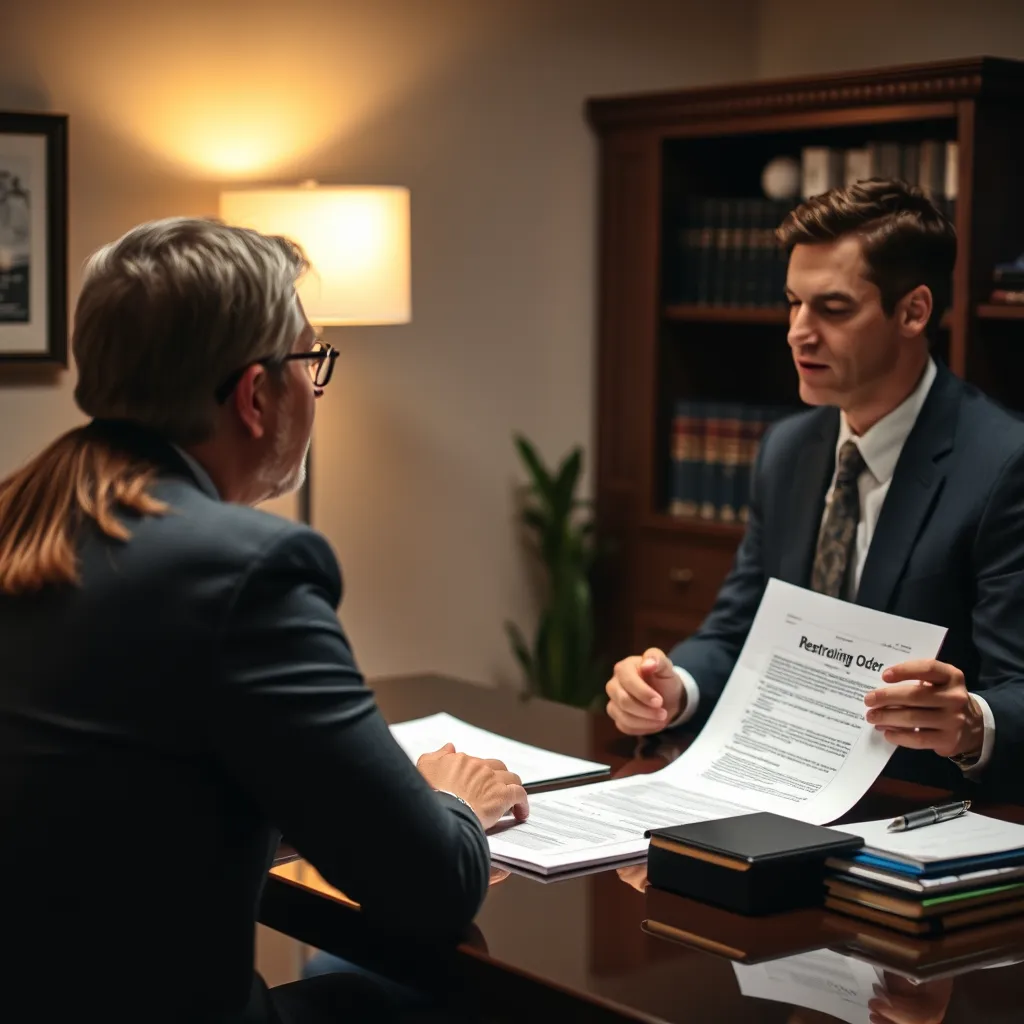
Protective orders in Virginia serve as legal tools to prevent further harm from individuals who have committed acts of family abuse, stalking, sexual assault, or other threatening behaviors. The legal system provides these protections to create safety barriers between individuals when there’s reasonable fear of harm. Emergency protective orders are typically issued by magistrates or judges when immediate danger exists, often after law enforcement intervention. These temporary orders provide immediate protection while the court system processes more permanent solutions.
To obtain a protective order, individuals must file a petition with the appropriate court, detailing the incidents that have caused fear or harm. The petition requires specific information about the parties involved, the nature of the relationship, and descriptions of the threatening or violent behaviors. Evidence such as police reports, medical records, photographs, text messages, or witness statements can strengthen the case for obtaining an order. The court reviews this information to determine whether sufficient grounds exist to grant the requested protection.
Once granted, protective orders carry legal weight and violations can result in criminal charges. The orders typically specify prohibited behaviors such as contacting the protected person, coming near their home or workplace, or possessing firearms. Law enforcement agencies maintain records of active protective orders to help enforce these restrictions. The legal system takes violations seriously because they represent disregard for court authority and potential continued threats to safety.
Real-Talk Aside: Protective orders are legal documents, not physical barriers. They rely on the respondent’s compliance and law enforcement’s ability to respond to violations.
How to Obtain a Protective Order
The process begins at the Arlington Juvenile and Domestic Relations District Court or General District Court, depending on the relationship between the parties. You’ll need to complete specific forms provided by the court clerk, including a petition that describes the incidents of abuse, threats, or harassment. The forms require detailed information about what happened, when it occurred, and any evidence you have to support your claims. Be prepared to provide identifying information for both yourself and the person you’re seeking protection from.
After filing the petition, a judge will review your request, often on the same day. If the judge finds sufficient evidence of immediate danger, they may issue an emergency protective order that takes effect immediately. This temporary order typically lasts up to 72 hours and provides immediate protection while the court schedules a hearing for a preliminary protective order. The preliminary hearing usually occurs within 15 days and allows both parties to present evidence before a judge makes a longer-term decision.
During the hearing process, you’ll need to present your evidence to the judge. This may include police reports, medical records, photographs of injuries or property damage, threatening messages, or witness testimony. The other party will have an opportunity to respond to your allegations and present their own evidence. The judge will consider all presented information to determine whether to grant a protective order and what specific provisions should be included.
If the judge grants a protective order, you’ll receive official documentation that outlines the specific restrictions placed on the other person. These restrictions typically include maintaining a certain distance from you, your home, your workplace, and other specified locations. The order may also prohibit any form of contact, including phone calls, text messages, emails, or social media communication. You should keep copies of the order with you at all times and provide copies to local law enforcement agencies.
Real-Talk Aside: The court process requires specific evidence and proper documentation. Missing details or incomplete forms can delay or jeopardize your request for protection.
Can I Modify or Extend a Protective Order
Modification of a protective order requires returning to the court that issued the original order and filing a motion to modify. Common reasons for modification include changes in living arrangements, work locations, or child custody situations that affect how the order should be structured. For example, if you move to a new residence, the order may need updating to reflect the new address where protection is needed. Similarly, if your work schedule changes or you begin attending school, the order might require adjustment to account for these new regular locations.
To request modification, you’ll need to complete specific court forms explaining why changes are necessary. The court will review your request and may schedule a hearing where both parties can present their positions. The judge will consider whether the proposed modifications maintain appropriate protection while accommodating legitimate changes in circumstances. It’s important to provide clear reasoning and any supporting evidence for why the modifications are needed and how they continue to provide necessary protection.
Extension of a protective order follows a similar process but focuses on continuing the order beyond its original expiration date. In Virginia, permanent protective orders typically last up to two years, but they can be extended if the protected person demonstrates continued need for protection. To request an extension, you must file a motion before the current order expires, explaining why ongoing protection remains necessary. The court will evaluate whether circumstances still warrant the order’s continuation based on recent behaviors, ongoing threats, or other relevant factors.
The extension process requires demonstrating that the reasons for the original order still exist or that new incidents have occurred that justify continued protection. This might involve presenting evidence of recent contact attempts, continued harassment, or other behaviors that indicate ongoing risk. The court will consider the history of the situation, any violations of the existing order, and the current relationship between the parties when deciding whether to grant an extension.
Real-Talk Aside: Courts generally don’t extend orders without clear evidence of continued need. Recent incidents or ongoing concerns must be documented to justify extension requests.
Why Hire Legal Help for Protective Orders
Legal professionals bring understanding of Virginia’s protective order statutes and local court procedures. They can help identify which type of order best suits your situation based on the relationship between parties, the nature of the threats or harm, and the immediacy of danger. This assessment ensures you pursue the most appropriate legal remedy from the beginning, saving time and potentially providing more effective protection. Attorneys also understand the specific requirements for each type of order and can help gather the necessary evidence to meet those requirements.
The documentation process for protective orders involves specific legal forms and precise language requirements. Missing information or improper completion can delay the process or result in denial of protection. Legal assistance ensures all forms are completed accurately and include all required details about incidents, parties, and requested protections. Attorneys can help organize evidence in a way that clearly demonstrates the need for protection, making it easier for judges to understand the situation and make informed decisions.
Court appearances can be intimidating, especially when facing the person you’re seeking protection from. Legal representation provides support during hearings and ensures your rights are protected throughout the process. Attorneys can present your case professionally, respond to questions from the judge, and address any arguments raised by the other party. This representation helps maintain focus on the legal issues and evidence rather than emotional aspects that might cloud the presentation of facts.
Beyond obtaining the initial order, legal help continues to be valuable for enforcement issues, modifications, or extensions. If the other party violates the protective order, attorneys can assist with reporting violations to law enforcement and pursuing additional legal remedies. They can also help monitor expiration dates and initiate extension proceedings when continued protection remains necessary. This ongoing support ensures the protective order remains effective and responsive to changing circumstances.
Real-Talk Aside: Legal help doesn’t guarantee specific outcomes, but it does ensure proper procedure and presentation, which significantly affects how courts evaluate protection requests.
FAQ:
1. What evidence helps obtain a protective order?
Police reports, medical records, photographs, threatening messages, and witness statements provide supporting evidence for protection requests.
2. How long does the process take?
Emergency orders can be issued immediately. Preliminary hearings typically occur within 15 days of filing. Permanent orders may take several weeks for full hearings.
3. What happens if someone violates a protective order?
Violations are criminal offenses. Report them to law enforcement immediately. Violators may face arrest, fines, or jail time depending on the circumstances.
4. Can protective orders affect child custody?
Yes, courts consider protective orders in custody decisions as they relate to safety concerns and parental fitness evaluations.
5. Do I need a lawyer for a protective order hearing?
While not required, legal representation helps present your case effectively and ensures proper procedure during court proceedings.
6. What’s the difference between emergency and permanent orders?
Emergency orders provide immediate, short-term protection (up to 72 hours). Permanent orders offer longer protection (up to 2 years) after full hearings.
7. Can I get a protective order against a family member?
Yes, Virginia law allows protective orders against family or household members when there’s evidence of family abuse or threats.
8. What if I need to change the order’s terms?
File a modification request with the issuing court. The judge will review your reasons and may schedule a hearing to consider changes.
9. How much does a protective order cost?
There are typically no filing fees for protective order petitions in Virginia when related to family abuse situations.
10. Where do I file in Arlington?
File at the Arlington Juvenile and Domestic Relations District Court or General District Court, depending on the relationship between parties.
11. What protections can an order include?
Orders can prohibit contact, require distance maintenance, restrict firearm possession, and include other specific provisions based on your situation.
12. How do I prove I need continued protection?
Document any continued contact attempts, harassment, or threats. Recent incidents or ongoing concerns help demonstrate need for extension.
Past results do not predict future outcomes