
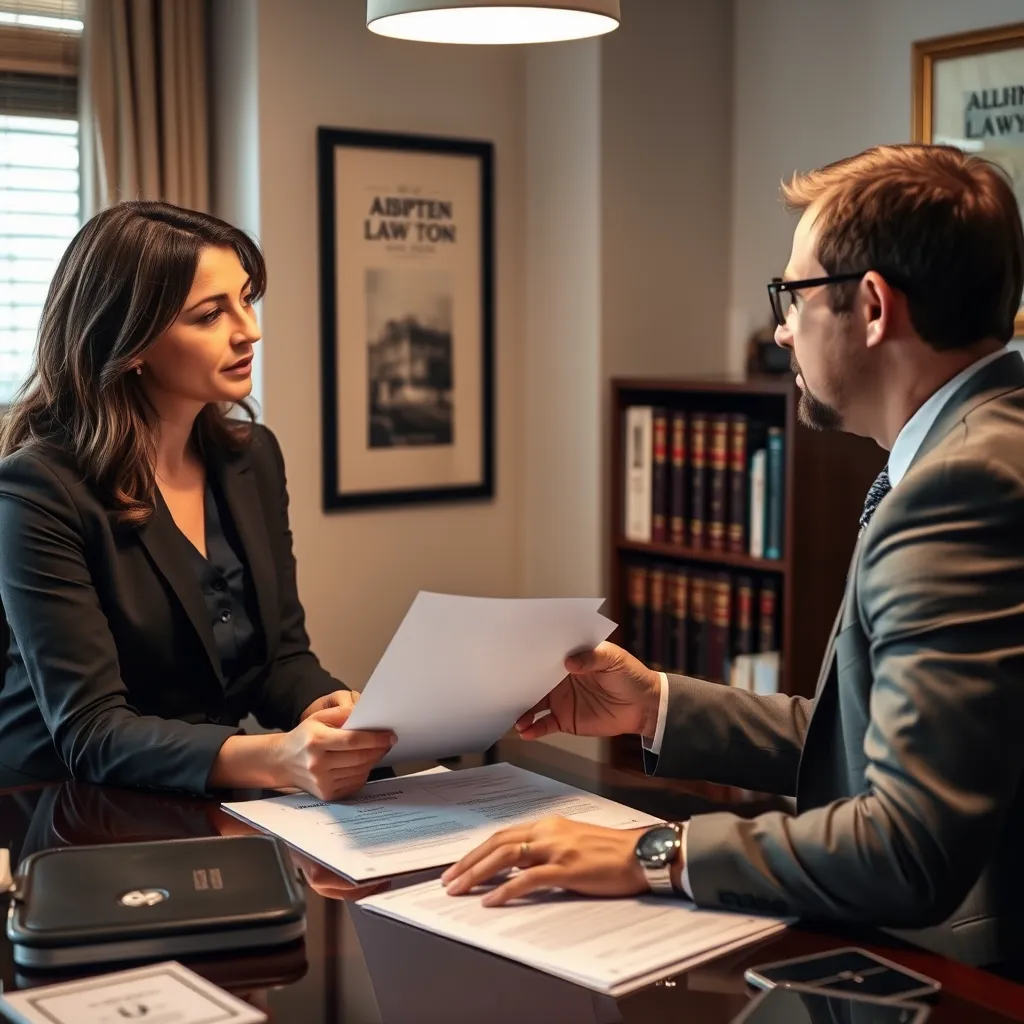
Note: This article is confirmed by Law Offices Of SRIS, P.C.
WRITTEN BY: Mr. Sris
Since 1997, Mr. Sris has led the firm, focusing on the most challenging criminal and family law cases. His background in accounting and information management aids in financial and technology-related cases. Involved in significant legislative changes in Virginia. My focus since founding the firm in 1997 has always been directed towards personally handling the most challenging and involved criminal and family law matters our clients face.
private adoption lawyer Falls Church VA
What is private adoption
Private adoption represents a legal arrangement where birth parents and adoptive parents work directly together without agency intermediaries. This approach allows for more direct communication and relationship building between the parties. The process involves several legal steps that must be completed correctly to ensure validity.
Legal documentation begins with consent forms from birth parents, which must meet specific state requirements. These documents outline the terms of the adoption and parental rights transfer. Home studies conducted by licensed professionals assess the adoptive home’s suitability. Background checks ensure the safety and stability of the adoptive environment.
Court procedures require filing petitions and attending hearings for final approval. The legal process includes termination of birth parents’ rights and establishment of new parental rights. Post-placement supervision may be required before finalization. Final court orders legally establish the adoptive relationship.
Reality Check: Adoption laws vary significantly by state. Virginia has specific requirements that must be followed precisely.
How to complete private adoption
The private adoption process follows a structured legal path that begins with initial consultations between parties. Legal representation helps draft necessary agreements and consent documents. These documents must comply with Virginia’s adoption statutes and regulations.
Initial steps include obtaining legal consent from birth parents, which must be voluntary and informed. Medical and social histories should be collected for the child’s records. Financial arrangements, if any, must comply with state laws regarding adoption expenses. All agreements should be documented clearly to prevent misunderstandings.
Home study assessments evaluate the adoptive family’s readiness and home environment. Background checks examine criminal history and child welfare records. Reference checks provide additional perspectives on the adoptive parents’ suitability. The home study report becomes part of the court documentation.
Court procedures involve filing adoption petitions with the appropriate Virginia court. Notice requirements must be met for all interested parties. Hearings allow the court to review documentation and hear testimony. Final orders legally establish the adoptive relationship and issue new birth certificates.
Straight Talk: Missing a single legal requirement can delay the entire process. Professional guidance helps prevent these issues.
Can I handle private adoption without legal help
Virginia adoption laws establish specific requirements for private adoptions that must be followed exactly. The legal process involves multiple documents that must be prepared correctly and filed timely. Court procedures have strict deadlines and formatting requirements that non-professionals may not understand.
Consent documents require specific language and witnessing procedures to be legally valid. Home study reports must meet state standards for content and format. Court petitions must include all required information and supporting documentation. Missing any required element can result in rejection or delays.
Legal representation helps identify potential issues before they become problems. Attorneys understand how to address birth parent rights properly. They know how to handle situations where consent may be challenged. Professional guidance helps handle involved emotional and legal situations.
Without legal help, parties risk making errors in termination of parental rights procedures. Improper handling of interstate adoption requirements can create additional complications. Failure to comply with post-placement supervision requirements may delay finalization. Legal mistakes can result in the adoption being overturned years later.
Blunt Truth: Adoption laws are involved and mistakes can have permanent consequences. Professional assistance provides important protection.
Why hire legal help for private adoption
Legal representation in private adoption offers multiple benefits that support successful outcomes. Attorneys provide knowledge of Virginia’s adoption statutes and court procedures. They help prepare all necessary documentation correctly and completely. Legal guidance ensures compliance with timing requirements and filing procedures.
Professional assistance helps manage relationships between birth and adoptive parents. Attorneys facilitate communication while maintaining appropriate boundaries. They help address unexpected developments that may arise during the process. Legal representation provides objective perspective during emotional situations.
Attorneys help protect against potential legal challenges to the adoption. They ensure proper procedures for consent and rights termination. Legal guidance helps address interstate adoption requirements when applicable. Representation provides support if birth parents reconsider their decision.
The adoption finalization process requires specific court procedures that attorneys understand thoroughly. They prepare clients for court appearances and testimony. Legal representation helps obtain proper court orders and documentation. Post-adoption matters can also be addressed with professional guidance.
Reality Check: Adoption involves permanent legal changes. Professional help ensures these changes are made correctly the first time.
FAQ:
1. What is private adoption? Private adoption involves direct arrangements between birth and adoptive parents without agency involvement, requiring legal oversight.
2. How long does private adoption take in Virginia? The timeline varies but typically takes several months to complete all legal requirements and court procedures.
3. What documents are needed for private adoption? Required documents include consent forms, home study reports, background checks, medical histories, and court petitions.
4. Can birth parents change their minds? Birth parents have specific time periods to reconsider consent, varying by state law and circumstances.
5. What costs are involved in private adoption? Costs include legal fees, home study expenses, court fees, and possibly medical or living expenses as allowed by law.
6. Are home studies required for private adoption? Yes, Virginia requires home studies conducted by licensed professionals to assess adoptive home suitability.
7. What happens after adoption is finalized? The court issues new birth certificates and the adoptive parents assume full legal parental rights and responsibilities.
8. Can single people adopt privately in Virginia? Yes, Virginia allows single individuals to adopt, subject to the same requirements and procedures as couples.
9. What if the adoption involves another state? Interstate adoptions require compliance with the Interstate Compact on the Placement of Children procedures.
10. How are adoption expenses regulated? Virginia law specifies what expenses adoptive parents may pay, with certain restrictions and reporting requirements.
11. What rights do birth fathers have? Birth fathers have specific rights that must be addressed according to Virginia adoption laws and procedures.
12. Can adoptive parents meet birth parents? Many private adoptions involve some level of contact, with terms typically outlined in adoption agreements.
Past results do not predict future outcomes