
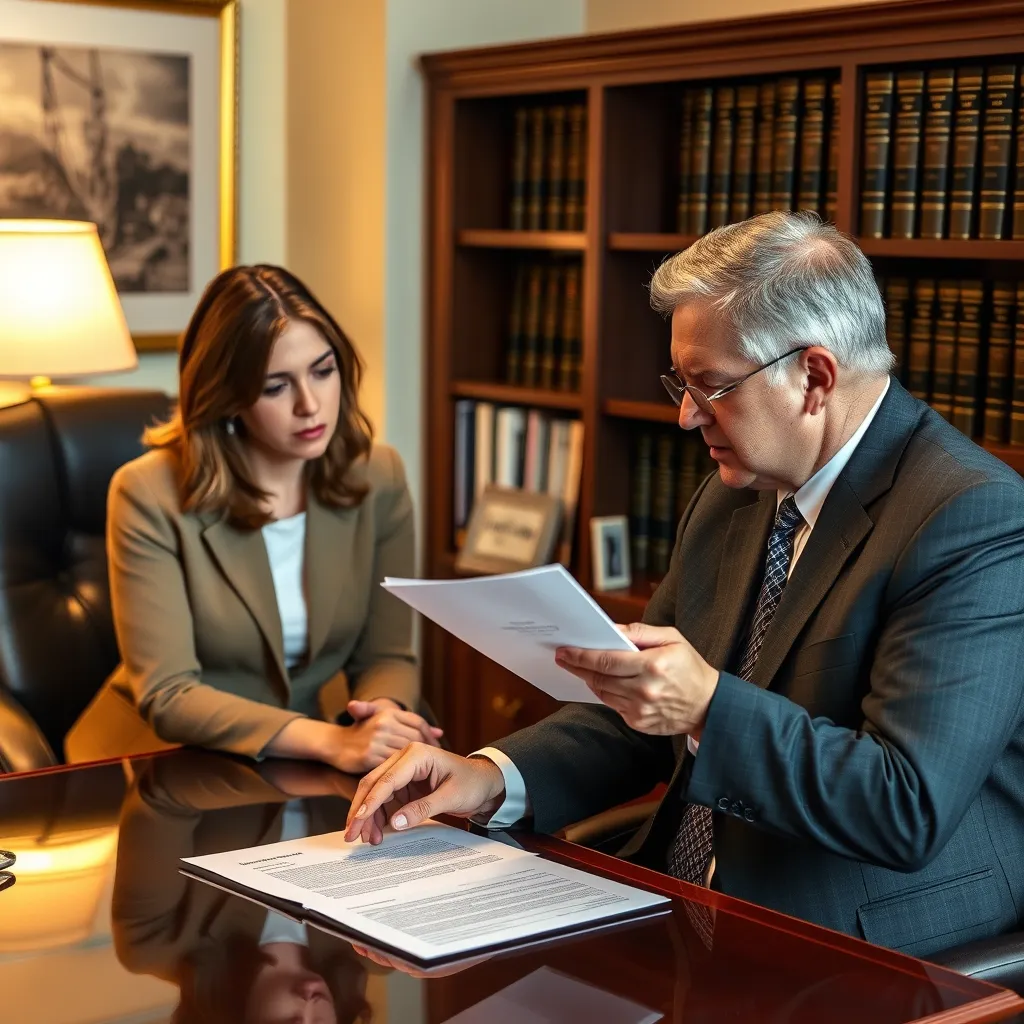
Note: This article is confirmed by Law Offices Of SRIS, P.C.
WRITTEN BY: Mr. Sris
Since 1997, Mr. Sris has led the firm, focusing on the most challenging criminal and family law cases… His background in accounting and information management aids in financial and technology-related cases… Involved in significant legislative changes in Virginia.
Insight: My focus since founding the firm in 1997 has always been directed towards personally handling the most challenging and involved criminal and family law matters our clients face.
Insight: I find my background in accounting and information management provides a unique advantage when handling the intricate financial and technological aspects inherent in many modern legal cases.
Insight: As someone deeply involved in the community, I believe it’s important to not only practice law but also to actively participate in shaping it, which is why I dedicated effort towards amending Virginia Code § 20-107.3 and achieving state recognition for cultural milestones.
Postnuptial Agreement Lawyer Fairfax VA
What is a Postnuptial Agreement
A postnuptial agreement serves as a marital contract established after marriage that addresses how property, assets, and financial matters would be managed in specific situations. These agreements can cover various aspects of married life, including property division, debt responsibility, inheritance rights, and financial support arrangements. The primary purpose is to provide clarity and certainty about financial matters that could otherwise create conflict or uncertainty.
The process of creating a postnuptial agreement involves several important steps. First, both parties must engage in complete financial disclosure, sharing all assets, debts, income sources, and financial obligations. This transparency is essential for the agreement’s validity. Next, each spouse should have independent legal representation to ensure their interests are properly protected. The agreement must be drafted with careful attention to Virginia’s specific legal requirements for marital contracts.
Several defense options exist for parties considering postnuptial agreements. Some agreements include provisions for mediation or alternative dispute resolution methods if disagreements arise about interpretation or implementation. Others establish clear guidelines for modification or termination of the agreement under specified conditions. The agreement should also address how it interacts with existing estate plans, retirement accounts, and other financial arrangements.
Professional insight emphasizes that postnuptial agreements require careful legal consideration. Virginia courts examine these agreements for fairness, proper disclosure, and voluntary consent. Agreements created under pressure, without adequate representation, or with incomplete information may face challenges in enforcement. Legal professionals with experience in family law understand the specific requirements and potential issues that can affect an agreement’s validity and effectiveness.
Reality Check: Postnuptial agreements require complete honesty about finances. Hidden assets or debts can invalidate the entire agreement, leaving both parties unprotected.
How to Create a Valid Postnuptial Agreement
The creation of a valid postnuptial agreement follows a structured process designed to protect both parties’ interests. Initial discussions should focus on identifying the specific issues the agreement will address, such as property division, debt allocation, or financial support arrangements. These conversations should occur in a neutral setting where both spouses feel comfortable expressing their concerns and expectations about the agreement’s terms and purposes.
Action steps for developing a postnuptial agreement begin with comprehensive financial disclosure. Both parties must compile complete lists of assets, including real estate, bank accounts, investments, retirement accounts, business interests, and personal property. Equally important is disclosure of all debts, including mortgages, loans, credit card balances, and other financial obligations. This transparency forms the foundation for fair and enforceable agreement terms.
The drafting process involves converting agreed-upon terms into legally binding language. The agreement should clearly define separate property, marital property, and how these classifications might change over time. It should address potential future scenarios, such as inheritance, career changes, or business developments. Provisions for modification, termination, and dispute resolution should be included to address changing circumstances or disagreements about interpretation.
Defense considerations focus on ensuring the agreement’s long-term validity. The document should include language confirming both parties entered the agreement voluntarily, with full understanding of its terms and consequences. It should reference the independent legal advice each party received and acknowledge the complete financial disclosure provided. These elements help demonstrate the agreement’s fairness and voluntary nature if challenged in court.
Straight Talk: Independent legal counsel isn’t optional for postnuptial agreements. Without it, courts may view the agreement as unfair or coercive, potentially rendering it unenforceable.
Can I Modify an Existing Postnuptial Agreement
Modification of existing postnuptial agreements is possible when circumstances change significantly or when both parties agree to adjust terms. Common reasons for modification include substantial changes in financial situations, career developments, health issues, or family changes such as children’s births. The original agreement may include specific provisions about modification procedures, or general contract principles may apply if no specific modification language exists.
The modification process typically begins with discussions between spouses about desired changes and reasons for modification. Both parties should review how circumstances have changed since the original agreement and how these changes affect the agreement’s fairness and appropriateness. If mutual agreement exists about needed modifications, the next step involves consulting with legal professionals to ensure changes comply with legal requirements.
Action steps for modification mirror those for creating the original agreement. Both parties must provide updated financial disclosure reflecting current circumstances. Independent legal representation remains essential to ensure each spouse understands the implications of proposed changes. The modification should be documented in writing, with clear language about which provisions are being changed and how the original agreement is affected.
Defense considerations for modifications focus on maintaining the agreement’s overall validity. Changes should not create unfair advantages for one party or undermine the agreement’s fundamental purposes. The modification process should include the same protections as the original agreement creation, including voluntary consent, adequate consideration, and proper legal formalities. These precautions help ensure modified agreements remain enforceable.
Blunt Truth: Modifying a postnuptial agreement requires the same legal rigor as creating one. Cutting corners on disclosure or legal advice can invalidate both the changes and potentially the original agreement.
Why Hire Legal Help for Postnuptial Agreements
Professional legal assistance with postnuptial agreements offers several important benefits for married couples. Attorneys provide knowledge of Virginia’s specific legal requirements for marital contracts, including disclosure standards, fairness considerations, and formal requirements. This understanding helps ensure agreements will be enforceable if challenged in court. Legal professionals also help identify issues that couples might overlook when creating agreements independently.
The attorney’s role includes helping clients understand their rights and obligations under Virginia law. This includes explaining how postnuptial agreements interact with divorce laws, property division statutes, and other relevant legal frameworks. Attorneys help clients consider various scenarios that might affect the agreement’s application, such as career changes, inheritance, business developments, or health issues. This comprehensive approach helps create agreements that remain relevant over time.
Legal professionals assist with the practical aspects of agreement creation, including proper documentation of financial disclosure, verification of asset values, and clear drafting of agreement terms. They help ensure language is precise and unambiguous, reducing the potential for future disputes about interpretation. Attorneys also coordinate with other professionals when needed, such as financial advisors, accountants, or business valuation attorneys.
Defense considerations highlight how legal assistance protects both parties’ interests. Independent representation ensures each spouse understands the agreement’s implications and enters it voluntarily. Attorneys help identify potential unfair provisions or unclear language that could create problems later. They also provide guidance about how to handle the agreement in various circumstances, including potential modifications or enforcement issues.
Reality Check: Postnuptial agreements without proper legal guidance often contain flaws that courts won’t enforce. Investing in professional help upfront prevents costly legal battles later.
FAQ:
What makes a postnuptial agreement legally binding in Virginia?
Virginia requires full financial disclosure, independent legal counsel for both parties, voluntary consent, and fair terms. The agreement must be in writing and properly executed.
How does a postnuptial agreement differ from a prenuptial agreement?
Prenuptial agreements are created before marriage, while postnuptial agreements are established during marriage. Both serve similar purposes but have different timing considerations.
Can a postnuptial agreement address child custody or support?
Virginia courts determine child-related matters based on children’s best interests. Agreements cannot override judicial authority on custody or support decisions.
What happens if financial circumstances change after signing?
Significant changes may justify modifying the agreement. Both parties must consent to modifications, which require proper legal documentation.
Are postnuptial agreements only for wealthy couples?
These agreements benefit couples at various income levels. They provide clarity about financial matters regardless of asset amounts.
How long does creating a postnuptial agreement typically take?
The process usually takes several weeks to months. Timing depends on challenge, disclosure completeness, and agreement negotiations.
What information must be disclosed in financial disclosure?
Both parties must disclose all assets, debts, income sources, and financial obligations. Complete transparency is essential for validity.
Can a postnuptial agreement be challenged in court?
Agreements can be challenged for inadequate disclosure, coercion, unfair terms, or lack of proper legal representation. Proper procedures reduce challenge risks.
How much does creating a postnuptial agreement cost?
Costs vary based on challenge and attorney rates. Both parties typically pay for independent legal representation.
What happens if one spouse refuses to sign a postnuptial agreement?
Postnuptial agreements require mutual consent. If one spouse refuses, no agreement exists unless both parties eventually agree.
Can postnuptial agreements address business interests?
Yes, agreements can specify how business assets, income, and growth are treated. Business valuation may be needed for proper disclosure.
How do postnuptial agreements affect estate planning?
Agreements should coordinate with estate plans. They can specify inheritance rights and how assets transfer upon death.
Past results do not predict future outcomes