
Note: This article is confirmed by Law Offices Of SRIS, P.C.
WRITTEN BY: Mr. Sris
Since 1997, Mr. Sris has led the firm, focusing on the most challenging criminal and family law cases. His background in accounting and information management aids in financial and technology-related cases. Involved in significant legislative changes in Virginia. My focus since founding the firm in 1997 has always been directed towards personally handling the most challenging and involved criminal and family law matters our clients face.
Postnuptial Agreement Lawyer Arlington VA
What is a Postnuptial Agreement
Postnuptial agreements serve as important legal documents for married couples who want to establish clear financial arrangements after their wedding. These contracts define how property would be divided, debts allocated, and financial support arranged if the marriage dissolves. Unlike prenuptial agreements created before marriage, postnups are developed during the marriage, often in response to changing circumstances like inheritance, business growth, or career changes.
Virginia law recognizes postnuptial agreements when they meet specific legal requirements. The agreement must be in writing, signed by both parties, and entered into voluntarily without coercion. Full financial disclosure is necessary, meaning both spouses must honestly share their assets, debts, and income. The terms must be fair and reasonable at the time of signing, and both parties should have independent legal representation to ensure their interests are protected.
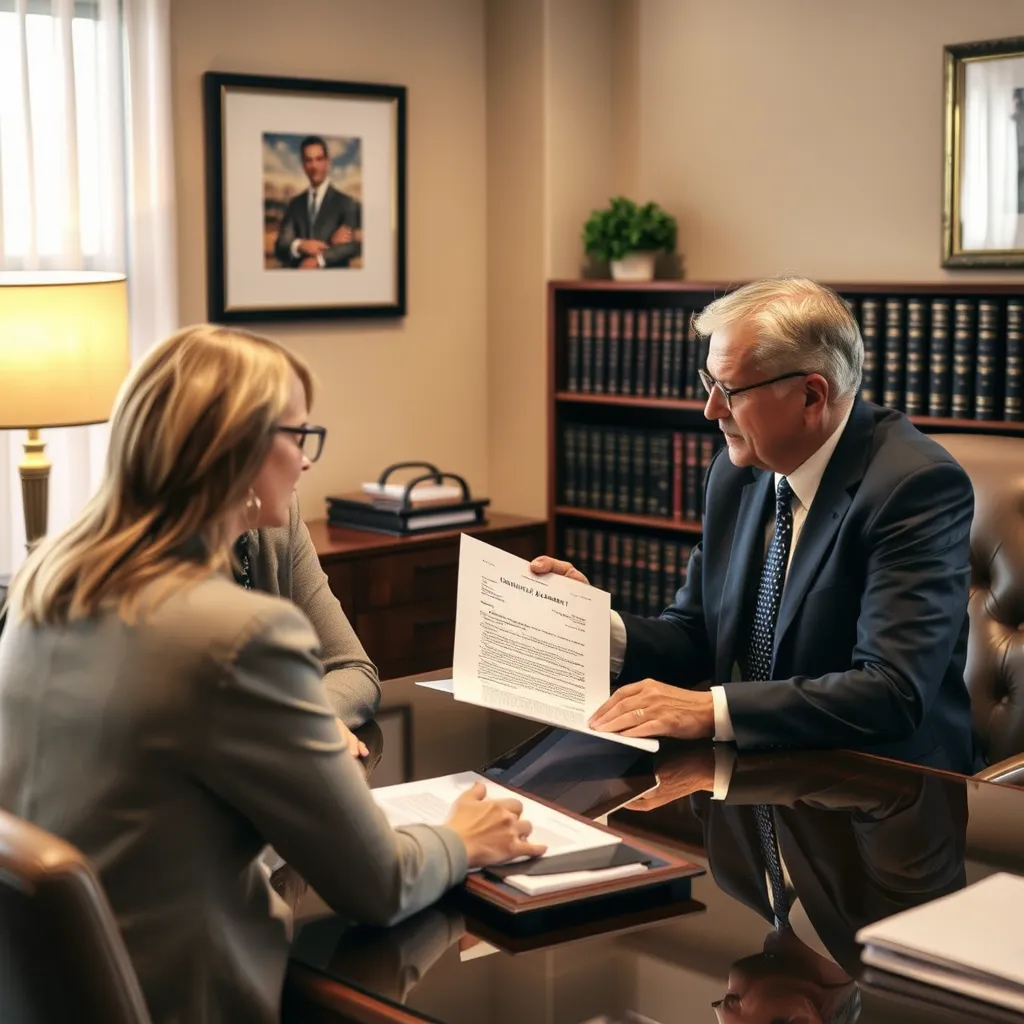
Creating a postnuptial agreement involves several steps. First, both spouses discuss their goals and concerns openly. Next, they gather complete financial information including assets, debts, income sources, and property values. Each spouse should consult with their own attorney who can explain Virginia’s legal requirements and review the proposed terms. The attorneys draft the agreement based on the couple’s discussions and financial information. After review and negotiation, both parties sign the document with proper witnesses and notarization.
Postnuptial agreements can address various financial matters. They specify which assets remain separate property and which become marital property. They outline how debts would be allocated between spouses. The agreements can establish spousal support terms or waive support rights entirely. They address inheritance rights and estate planning considerations. Business interests and professional practices can be protected through specific provisions. Retirement accounts and investment portfolios can be allocated according to the couple’s wishes.
How to Create a Valid Postnuptial Agreement
Creating a legally enforceable postnuptial agreement in Virginia requires careful attention to legal requirements. The process begins with both spouses obtaining independent legal counsel. Each attorney explains Virginia’s legal standards and ensures their client understands their rights and obligations. This independent representation is vital because it demonstrates that both parties entered the agreement voluntarily with proper legal advice.
Financial disclosure forms the foundation of any valid postnuptial agreement. Both spouses must provide complete and accurate information about all assets, debts, income sources, and financial interests. This includes bank accounts, investment portfolios, real estate holdings, business interests, retirement accounts, and any other financial assets. Debts such as mortgages, loans, credit card balances, and other liabilities must also be fully disclosed. Virginia courts may invalidate agreements where financial disclosure was incomplete or misleading.
The drafting process involves translating the couple’s agreements into legally precise language. Attorneys consider Virginia’s marital property laws, which distinguish between separate property (owned before marriage or received by gift/inheritance) and marital property (acquired during marriage). The agreement should clearly define how different types of property would be treated. Provisions regarding spousal support must comply with Virginia’s legal standards for fairness and reasonableness.
Negotiation and review stages allow both spouses to ensure the agreement reflects their understanding. Each attorney reviews the draft carefully, suggesting modifications to protect their client’s interests. The spouses discuss any concerns and work toward mutually acceptable terms. This collaborative approach helps create an agreement that both parties can accept voluntarily. Pressure or coercion during this process could render the agreement unenforceable.
Final execution requires proper formalities. Both spouses sign the agreement before witnesses, and the document should be notarized. Virginia law doesn’t require recording postnuptial agreements with any government office, but keeping the original in a secure location is important. Some couples choose to provide copies to their estate planning attorneys or financial advisors. Regular reviews and updates may be necessary as financial circumstances change over time.
Can I Modify or Cancel a Postnuptial Agreement
Postnuptial agreements are not necessarily permanent documents. Virginia law allows modifications when both spouses agree to changes. The modification process mirrors the original agreement requirements: both parties need independent legal representation, complete financial disclosure must occur again, and the changes must be documented in writing with proper signatures and notarization. Common reasons for modification include significant changes in financial circumstances, birth of children, career changes, or relocation to another state.
Canceling a postnuptial agreement requires mutual consent and proper documentation. Spouses can create a written agreement to revoke the postnup entirely, following the same legal formalities as the original document. This revocation should clearly state that both parties intend to cancel the agreement and return to Virginia’s default marital property rules. Without such documentation, the original agreement generally remains in effect.
Courts may invalidate postnuptial agreements under specific circumstances. If one spouse can prove the agreement was signed under duress, fraud, or undue influence, a court may declare it unenforceable. Incomplete or misleading financial disclosure can also lead to invalidation. Agreements that become fundamentally unfair due to changed circumstances might not be enforced. Provisions that violate public policy, such as those encouraging divorce or affecting child support, are typically unenforceable.
Changed circumstances can affect agreement enforcement. Virginia courts consider whether the agreement has become unconscionable or fundamentally unfair when challenged. Major financial changes, health issues, or caregiving responsibilities might make originally fair terms unreasonable later. However, courts generally respect properly executed agreements unless compelling reasons exist to set them aside. The burden of proof rests with the party challenging the agreement’s validity.
Postnuptial agreements interact with other legal documents. They should coordinate with estate plans, wills, trusts, and beneficiary designations. When circumstances change significantly, reviewing all related documents together is important. An Arlington postnup lawyer can help ensure consistency across legal arrangements. Regular reviews every few years or after major life events help keep agreements current and enforceable.
Why Hire Legal Help for Postnuptial Agreements
Professional legal assistance is vital for creating postnuptial agreements that comply with Virginia law and protect both spouses’ interests. Attorneys understand the specific legal standards that must be met for enforceability. They guide clients through the requirement of independent representation, which is not just recommended but often essential for validity. Without proper legal counsel, agreements may contain flaws that render them unenforceable when needed most.
Attorneys provide important guidance on financial disclosure requirements. They help clients gather complete financial information and ensure proper documentation of assets and debts. This thorough approach prevents challenges based on inadequate disclosure. Lawyers also identify potential issues that clients might overlook, such as future inheritance rights, business valuation methods, or retirement account treatment. Their experience helps anticipate and address matters that could become contentious later.
Drafting precision matters significantly in postnuptial agreements. Attorneys use legally precise language that clearly expresses the parties’ intentions while complying with Virginia law. They ensure definitions are clear, provisions are comprehensive, and the document addresses all relevant financial matters. This precision helps prevent misunderstandings and disputes about interpretation. Well-drafted agreements withstand scrutiny better if challenged in court.
Legal representation helps balance power dynamics within the marriage. When both spouses have their own attorneys, negotiations occur on more equal footing. Each lawyer advocates for their client’s interests while working toward a mutually acceptable agreement. This process helps ensure neither spouse feels pressured or disadvantaged. The resulting agreement is more likely to be fair and voluntarily accepted by both parties.
Future protection is another important consideration. Attorneys consider how agreements might be interpreted years later under changed circumstances. They build in appropriate flexibility while maintaining clarity. Professional legal help also coordinates postnuptial agreements with other estate planning documents, ensuring consistency across all legal arrangements. This comprehensive approach provides greater security and predictability for both spouses.
FAQ:
1. What’s the difference between prenuptial and postnuptial agreements?
Prenuptial agreements are created before marriage, while postnuptial agreements are made during the marriage. Both address financial arrangements but have different timing requirements.
2. Do both spouses need separate lawyers for a postnuptial agreement?
Yes, Virginia strongly recommends independent legal representation for each spouse to ensure the agreement’s validity and voluntary nature.
3. What financial information must be disclosed?
Complete disclosure of all assets, debts, income sources, and financial interests is required for a valid postnuptial agreement in Virginia.
4. Can postnuptial agreements address child custody or support?
No, courts determine child-related matters based on the child’s best interests at the time, regardless of any prior agreements between parents.
5. How long does creating a postnuptial agreement take?
The process typically takes several weeks to months, depending on financial challenge and how quickly both spouses provide necessary information.
6. Are postnuptial agreements only for wealthy couples?
No, couples at various income levels use postnuptial agreements to clarify financial expectations and protect assets.
7. Can a postnuptial agreement be changed after signing?
Yes, modifications require mutual agreement, independent legal advice, and proper documentation similar to the original agreement.
8. What makes a postnuptial agreement invalid in Virginia?
Invalidity can result from incomplete financial disclosure, lack of independent counsel, coercion, or terms that violate public policy.
9. Do postnuptial agreements need to be filed with the court?
No, Virginia doesn’t require filing postnuptial agreements with any court or government office.
10. How much do postnuptial agreement legal services cost?
Costs vary based on challenge, but both spouses should budget for separate attorney fees to ensure proper representation.
11. Can postnuptial agreements protect inheritance rights?
Yes, they can specify how inherited assets should be treated and whether they remain separate property.
12. What happens if we move to another state?
Postnuptial agreements generally remain valid if properly executed, but consulting local counsel in the new state is advisable.
Past results do not predict future outcomes