
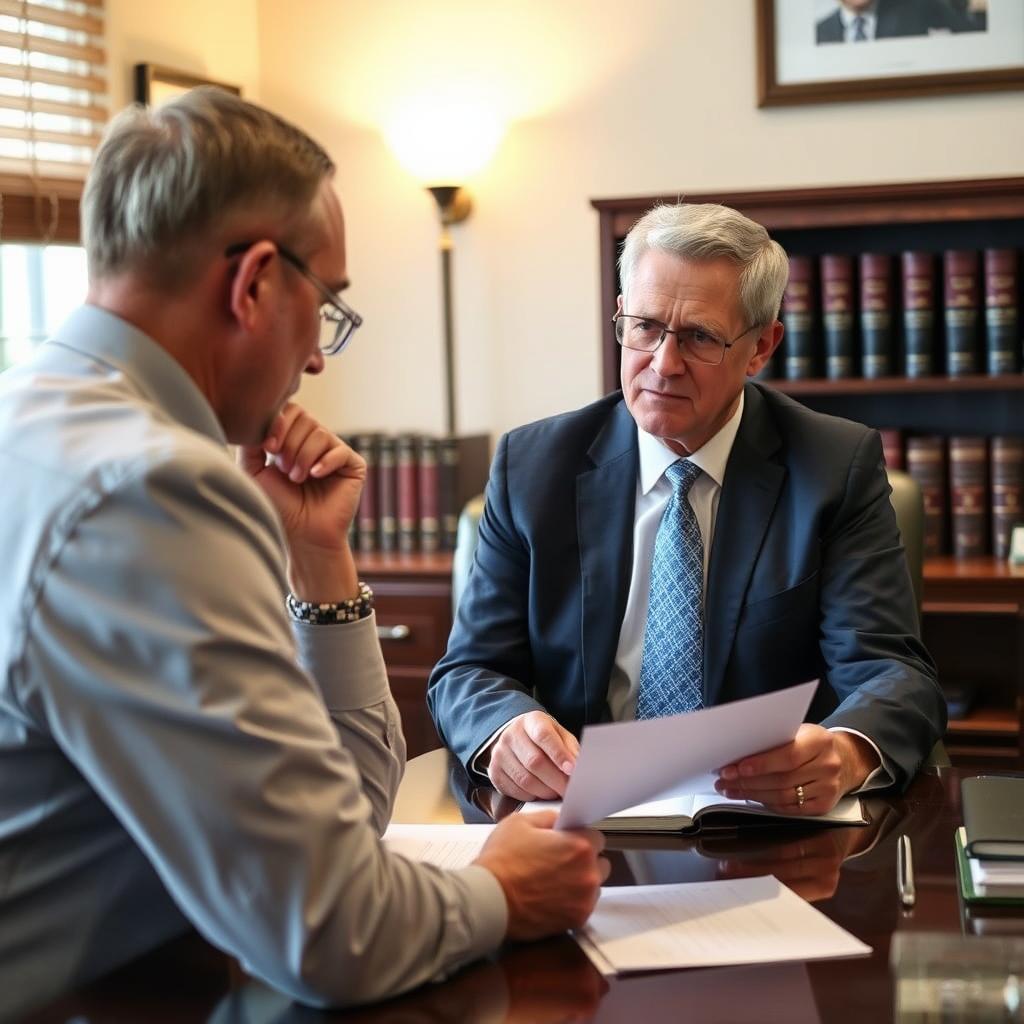
Permanent Alimony Lawyer Caroline County
Permanent alimony in Caroline County is a court-ordered, indefinite spousal support payment based on Virginia Code § 20-107.1. A Permanent Alimony Lawyer Caroline County from Law Offices Of SRIS, P.C.—Advocacy Without Borders. can argue for or against this long-term obligation based on statutory factors like marriage duration and financial need. (Confirmed by SRIS, P.C.)
Statutory Definition of Permanent Alimony in Virginia
Virginia Code § 20-107.1 governs spousal support, authorizing courts to award permanent alimony as an indefinite financial obligation post-divorce. The statute does not specify a maximum dollar amount or duration for a permanent award, leaving it to judicial discretion based on enumerated factors. A permanent alimony order remains modifiable upon a material change in circumstances but terminates upon the death of either party or the remarriage of the supported spouse.
Permanent alimony, often called indefinite spousal support, is distinct from rehabilitative or lump-sum awards. Its purpose is not to punish but to provide ongoing support when one spouse cannot become self-sufficient. The Caroline County Circuit Court examines the statutory factors to decide if a permanent award is justified. These factors create the legal battlefield for your permanent alimony lawyer Caroline County.
What legal factors determine permanent alimony in Caroline County?
The court must consider all factors under Virginia Code § 20-107.1(E). Key factors include the obligations, needs, and financial resources of each party. The standard of living established during the marriage is heavily weighted. The duration of the marriage is critical; longer marriages favor permanent awards. The age and physical and mental condition of each spouse are examined. The court also considers contributions to the family’s well-being, including childcare and homemaking.
How does fault or marital misconduct affect an alimony case?
Fault grounds for divorce can significantly impact alimony decisions under Virginia law. Adultery, cruelty, or desertion proven as the cause of the marriage’s dissolution can bar a spouse from receiving support. If you are the supporting spouse, proving fault against your spouse can be a complete defense to a permanent alimony claim. Your long-term spousal maintenance lawyer Caroline County must present clear evidence of fault to the court.
Can a prenuptial agreement override Virginia’s alimony laws?
A valid prenuptial or postnuptial agreement can control spousal support, often overriding statutory guidelines. The Caroline County court will enforce a contract that expressly waives or limits alimony, provided it was entered voluntarily with full financial disclosure. Challenging such an agreement requires proof of fraud, duress, or unconscionability. An indefinite spousal support lawyer Caroline County reviews all marital agreements at the start of a case.
The Insider Procedural Edge in Caroline County Circuit Court
Caroline County divorce and alimony cases are filed at the Caroline County Circuit Court located at 112 Courthouse Lane, Bowling Green, VA 22427. This court manages the full timeline from filing the initial complaint to the final decree. Procedural specifics for Caroline County are reviewed during a Consultation by appointment at our Caroline County Location. Local rules and judicial preferences directly affect case strategy. Learn more about Virginia legal services.
You initiate a permanent alimony case by filing a Complaint for Divorce along with a Spousal Support Request. The filing fee is set by the Virginia Supreme Court and is subject to change. The opposing party has 21 days to file an Answer after being served. The court may schedule pendente lite hearings for temporary support while the case is pending. Discovery, including financial disclosures, is mandatory. Most cases involve settlement negotiations before a final hearing.
The legal process in Caroline County follows specific procedural requirements that affect case timelines and outcomes. Courts in this jurisdiction apply local rules that may differ from neighboring areas. An attorney familiar with Caroline County court procedures can identify procedural advantages relevant to your situation.
What is the typical timeline for a permanent alimony case?
A contested permanent alimony case in Caroline County can take nine months to over a year to resolve. The timeline depends on court docket availability, case complexity, and the level of dispute. An uncontested case with an agreement can be finalized more quickly. Mandatory waiting periods apply from the date of separation or service. Your attorney manages deadlines and court dates to avoid delays.
What are the court costs and filing fees involved?
Filing fees in Caroline County Circuit Court are mandated by state law and cover the initial complaint and other motions. Additional costs include fees for serving legal papers, court reporter charges for hearings, and costs for obtaining certified copies of orders. If your case requires experienced witnesses like forensic accountants, their fees are separate. Discuss all potential costs with your legal team early in the process.
Penalties, Financial Impacts, and Defense Strategies
The most common financial impact of a permanent alimony order is a continuous monthly payment obligation for an indefinite period, often until death, remarriage, or a court-ordered modification. This creates a long-term financial link between former spouses. The table below outlines the primary consequences. Learn more about criminal defense representation.
Virginia law establishes specific statutory frameworks that govern these matters. Each case involves unique factual circumstances that require careful legal analysis. SRIS, P.C. attorneys evaluate every relevant factor when developing case strategy for clients in Caroline County.
| Offense / Outcome | Penalty / Impact | Notes |
|---|---|---|
| Monthly Alimony Payment | Court-determined amount based on need and ability to pay. | Payments are typically made via income withholding order. |
| Duration of Obligation | Indefinite, until modifying event occurs. | Modifying events: recipient’s remarriage, cohabitation, death of either party. |
| Tax Implications (Post-2018) | Alimony is NOT deductible for payor; NOT income for recipient. | For divorces finalized after December 31, 2018. |
| Enforcement for Non-Payment | Contempt of court, wage garnishment, lien on property, license suspension. | Caroline County judges enforce orders strictly. |
| Modification Standard | Requires a “material change in circumstances.” | Change must be substantial, unforeseen, and continuing. |
[Insider Insight] Caroline County prosecutors in the Commonwealth’s Attorney’s Location do not handle civil alimony cases. However, the local judiciary expects strict compliance with financial disclosure rules and prior court orders. Judges here look for evidence of bad faith or hiding assets. Presenting a clear, documented financial picture is paramount, whether you are seeking or defending against permanent alimony.
How does permanent alimony affect retirement and social security?
Permanent alimony payments are considered a personal obligation, not a debt against a specific asset like a retirement account. However, the need to make payments can force a payor to draw down retirement savings early. Social Security benefits are generally protected from garnishment for alimony, but other income sources may be targeted. A court can consider retirement account values as part of the overall financial picture when setting the award amount.
What are the strongest defenses against a permanent alimony request?
The strongest defense is demonstrating the requesting spouse’s ability to be self-supporting. This involves analyzing their education, work history, and current job market. Proving marital fault like adultery is a complete bar to alimony. Showing a lack of need based on the spouse’s own assets is effective. Arguing that the marriage was of short duration can defeat a request for indefinite support. A skilled permanent alimony lawyer Caroline County builds these defenses with evidence.
Court procedures in Caroline County require proper documentation and adherence to filing deadlines. Missing a deadline or submitting incomplete filings can negatively impact case outcomes. Working with an attorney who handles cases in Caroline County courts regularly ensures that procedural requirements are met correctly and on time. Learn more about DUI defense services.
Why Hire SRIS, P.C. for Your Caroline County Alimony Case
SRIS, P.C. assigns attorneys with direct experience in Caroline County Circuit Court who understand how local judges apply Virginia’s alimony statutes. Our team knows the procedural nuances specific to this jurisdiction. We prepare every case with the expectation of a hearing, which strengthens your position in negotiations. We focus on the financial details that decide these cases.
Attorney Background: Our lead family law attorneys have handled numerous spousal support cases in Caroline County. They are versed in the full range of strategies, from negotiating settlements to litigating complex financial issues at trial. They work with financial professionals to analyze tax implications and long-term projections for both parties.
The timeline for resolving legal matters in Caroline County depends on multiple factors including case type, court scheduling, and the positions of all parties involved. SRIS, P.C. keeps clients informed throughout the process and works to move cases forward as efficiently as possible.
Our approach is direct and client-focused. We explain the realistic outcomes based on Caroline County trends. We use precise financial documentation to support your position, whether you are seeking support or defending against an unreasonable request. The goal is a resolution that protects your financial stability. You need a permanent alimony lawyer Caroline County who knows the local terrain.
Localized Caroline County Spousal Support FAQs
How is permanent alimony calculated in Caroline County?
Caroline County judges use Virginia Code § 20-107.1 factors, not a simple formula. They examine both spouses’ incomes, needs, the marriage length, and the marital lifestyle. No statewide calculator dictates the amount. Learn more about our experienced legal team.
Can permanent alimony be modified or terminated in Virginia?
Yes, permanent alimony can be modified or terminated by the Caroline County Circuit Court. The party seeking change must prove a material change in circumstances, like job loss or the recipient’s cohabitation.
Financial implications are often a significant concern in legal proceedings. Virginia courts consider relevant financial factors when making determinations. Proper preparation of financial documentation strengthens your position and supports favorable outcomes in Caroline County courts.
What happens if my ex-spouse refuses to pay court-ordered alimony?
You file a Motion for Rule to Show Cause in Caroline County Circuit Court. The judge can hold the payor in contempt, order wage garnishment, place liens on property, or suspend driver’s licenses.
Does adultery automatically prevent someone from getting alimony?
Yes, under Virginia law, a spouse who commits adultery that leads to the divorce is barred from receiving spousal support. The adultery must be proven by clear and convincing evidence.
How long do you have to be married to get permanent alimony?
Virginia law has no fixed minimum. Courts are more likely to award permanent alimony in marriages lasting 20 years or longer. For shorter marriages, rehabilitative support is more common.
Proximity, Contact, and Critical Disclaimer
Our Caroline County Location is positioned to serve clients throughout the region. For a Consultation by appointment to discuss permanent alimony, call 24/7. We provide direct legal analysis for your situation.
Law Offices Of SRIS, P.C.—Advocacy Without Borders.
Consultation by appointment. Call 24/7.
Phone: [PHONE NUMBER FROM GMB]
Address: [CAROLINE COUNTY GMB ADDRESS]
Past results do not predict future outcomes.