
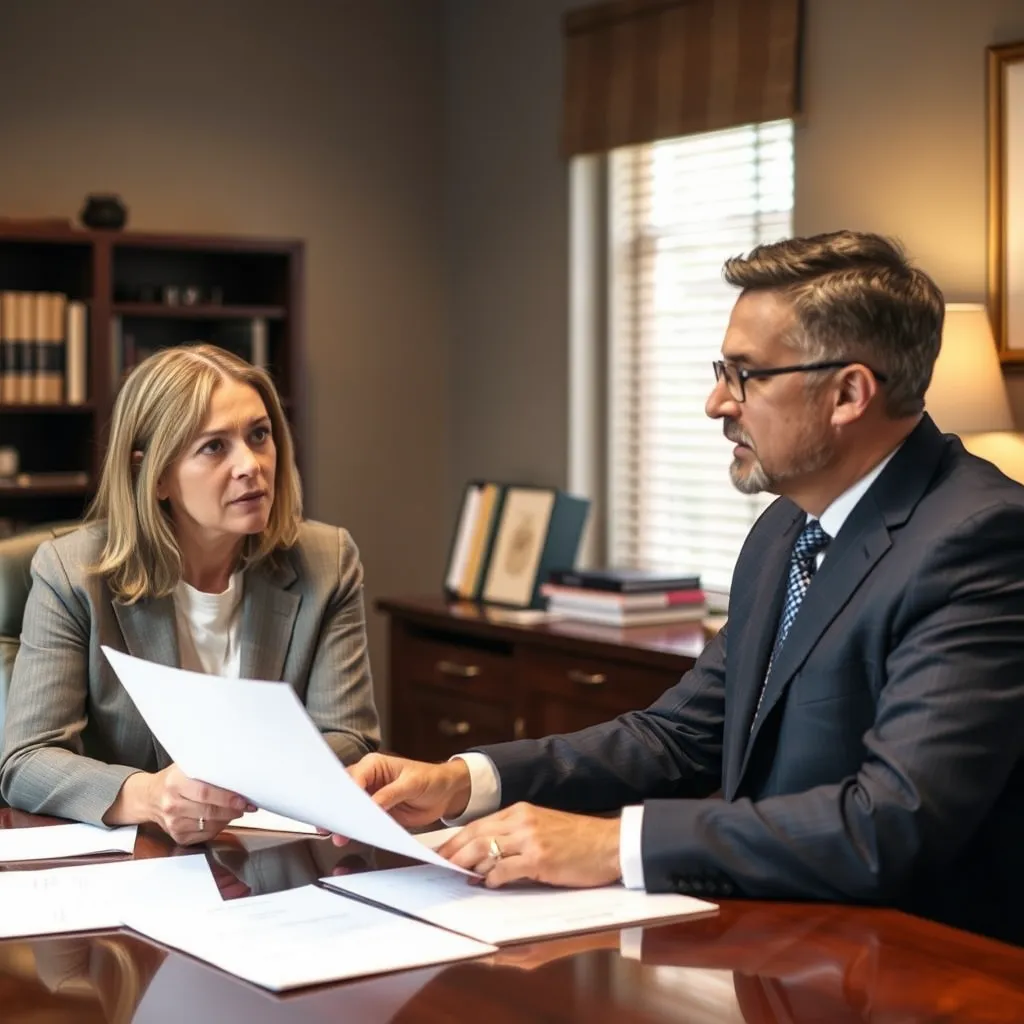
Out Of State Custody Lawyer Hampton, VA
Out‑of‑state custody disputes raise difficult questions when parents live in different jurisdictions. In Hampton, Virginia, the Hampton Juvenile & Domestic Relations District Court and the Hampton Circuit Court have authority to decide custody under the Virginia Uniform Child Custody Jurisdiction and Enforcement Act (UCCJEA), codified at Va. Code § 20‑146.1 et seq. Whether you need an initial custody determination, enforcement of an order from another state, or protection against a distant parent’s attempt to relocate a child, an experienced lawyer can help you navigate the interstate rules. Law Offices Of SRIS, P.C., founded in 1997, serves Hampton families from its Richmond location at 7400 Beaufont Springs Drive, Suite 300, Room 395, Richmond, VA 23225. Mr. Sris and his Of Counsel bring over 120 years of combined legal experience and 4,739+ documented firm-wide results to out‑of‑state custody matters. Results may vary. For a consultation, call (888) 437‑7747. Law Offices Of SRIS, P.C. – Advocacy Without Borders.
What Out Of State Custody Means in Hampton, Virginia
When a child’s parents live in separate states — or one parent plans to move across state lines — custody issues become interstate. Virginia has adopted the UCCJEA to provide a uniform framework for determining which state’s court can make and modify custody orders. The goal is to avoid conflicting rulings from different states and to keep custody litigation close to the child’s connections.
For a Hampton court to exercise jurisdiction, Virginia must be the child’s “home state” — meaning the child lived in Virginia with a parent or person acting as a parent for at least six consecutive months immediately before the custody proceeding began. If another state qualifies as the home state, the Hampton court typically defers, unless the other state declines jurisdiction or an emergency exists. In emergency situations, Virginia can take temporary jurisdiction to protect the child. Hampton families often deal with these questions when a parent lives in a neighboring state like North Carolina or Maryland, or when military parents stationed in the Hampton Roads area face orders that create multi‑state custody challenges.
How Mr. Sris and His Of Counsel Handle Out Of State Custody Cases
Mr. Sris and his Of Counsel team treat each interstate custody case as a matter of careful jurisdiction analysis and trial preparation. Because custody orders from one state can be challenged in another, the first step is to confirm which court has proper jurisdiction under the UCCJEA. If Virginia is the right forum, the Hampton courts can enter a custody and visitation schedule based on the best interests of the child under Va. Code § 20‑124.3.
If a custody order already exists from another state, the team evaluates whether it must be registered in Virginia for enforcement or modification. Where an out‑of‑state parent has wrongfully retained a child in another jurisdiction, the firm works quickly to seek the child’s return through the UCCJEA’s expedited enforcement procedures. Mr. Sris and his Of Counsel also handle cases where a parent intends to relocate with the child, navigating the notice requirements under Va. Code § 20‑124.5 and, if contested, presenting the relocation plan to the Hampton court. The approach is always built on thorough factual development and a clear understanding of the interplay between Virginia law and the laws of the other state involved.
About Mr. Sris and His Of Counsel Team
Mr. Sris, Owner and Founder of Law Offices Of SRIS, P.C., is a former prosecutor who has practiced across Virginia, Maryland, the District of Columbia, New Jersey, and New York since 1997. His multi‑state licensing positions him to understand how custody laws differ among the firm’s five jurisdictions — a practical advantage when a Hampton case involves a parent who lives in Maryland or DC. Mr. Sris testified before the Virginia House Courts of Justice Committee in support of 2019 HB 635 (chief patron Del. David Bulova). He is supported by Of Counsel attorneys who bring extensive experience in family law and trial advocacy. Together, they work collaboratively on each case, ensuring that every out‑of‑state custody matter benefits from a thorough understanding of both Virginia procedure and the interstate compact rules that govern custody across state lines.
Frequently Asked Questions
What is the UCCJEA and how does it affect custody in Virginia?
The Uniform Child Custody Jurisdiction and Enforcement Act (UCCJEA) sets the rules for which state’s court can make and modify custody decisions. Virginia adopted the UCCJEA under Va. Code § 20‑146.1 et seq. To bring predictability to interstate custody disputes. Under the Act, a Virginia court can exercise jurisdiction only if Virginia is the child’s home state, meaning the child lived here for at least six consecutive months immediately before the case began. If another state qualifies as the home state, Virginia normally defers, but can still take temporary emergency jurisdiction in cases involving abandonment or abuse. For Hampton parents with a co‑parent living in a different state, the UCCJEA is the starting point for determining whether a Hampton court can issue a custody order.
Can a Virginia court make a custody order if one parent lives out of state?
Yes, a Virginia court can make an initial custody order even if one parent lives in another state, provided Virginia has jurisdiction under the UCCJEA. The Hampton Juvenile & Domestic Relations District Court or the Hampton Circuit Court will look first at whether Virginia is the child’s home state. If the child has lived in Hampton for at least six months before the filing, Virginia generally has priority. Even if the child moved recently, Hampton may still be the home state if the child had been here and no other state has a stronger claim. The parent living out of state can participate in the proceeding by appearing in person, by phone, or through counsel, and the court’s custody determination, once made, is entitled to respect in other states under federal and Virginia full‑faith‑and‑credit principles.
How do I enforce an out‑of‑state custody order in Hampton, Virginia?
You can enforce a custody order from another state by registering it with the Hampton Juvenile & Domestic Relations District Court under Virginia’s UCCJEA. Registration requires filing a certified copy of the out‑of‑state order with the court. Once registered, the order can be enforced in Virginia just as if the Hampton court had originally issued it. If the other parent is violating the order — for example, by withholding the child or refusing visitation — you can file a petition for enforcement, and the court can use contempt powers, makeup parenting time, or other remedies. The UCCJEA also authorizes expedited enforcement when a child has been wrongfully removed or retained; in these situations, the court can order the immediate return of the child to the parent entitled to custody.
What should I do if I am facing an out‑of‑state custody case in Virginia?
If a custody case has been filed against you in Hampton, act quickly — do not ignore the petition, and contact a family law attorney right away. An out‑of‑state custody filing starts a legal clock, and you will have a limited time to respond. Gather any existing custody orders from other states, communication with the other parent, and records that show where the child has lived. Then, schedule a consultation with a lawyer who understands both the UCCJEA and the specific practices of the Hampton courts. An experienced attorney can assess whether Virginia properly has jurisdiction, whether a prior order from another state controls, and how best to protect your parental rights. The firm’s Richmond location, serving Hampton, offers appointments at (888) 437‑7747.
How does a Virginia lawyer handle an out‑of‑state custody dispute?
A Virginia lawyer starts by confirming which state has jurisdiction under the UCCJEA and then develops a strategy based on the child’s best interests. This involves reviewing where the child has lived for the past six months, gathering evidence of the child’s ties to Hampton, and communicating with counsel in the other state if any parallel proceeding exists. If Virginia is the correct forum, the attorney prepares for a custody hearing at the Hampton court, presenting testimony and documentation on the child’s relationship with each parent, the parents’ willingness to support the other’s relationship, and any safety concerns. If a prior out‑of‑state order exists, the lawyer registers it in Virginia and then seeks enforcement or, if circumstances have changed, modification. Throughout the case, the attorney works to keep the litigation efficient and focused on the child’s stability.
Do I need a lawyer for an out‑of‑state custody matter in Hampton?
You are not legally required to hire a lawyer for a custody case in Hampton, but interstate custody disputes involve complex jurisdictional rules that are hard to navigate without experienced counsel. The UCCJEA interacts with federal parental kidnapping laws and the full‑faith‑and‑credit statute, and missing a jurisdictional objection can lead to prolonged litigation in the wrong state. An attorney who practices regularly in the Hampton courts and understands the multi‑state nuances can identify the correct forum early, prevent procedural missteps, and present your case effectively. Mr. Sris and his Of Counsel team have experience in Virginia interstate custody cases and serve Hampton families from their Richmond location. To discuss your situation, call (888) 437‑7747.
Attorney advertising. Prior results do not guarantee a similar outcome.
Results may vary.
Case results depend on a variety of factors unique to each case.