
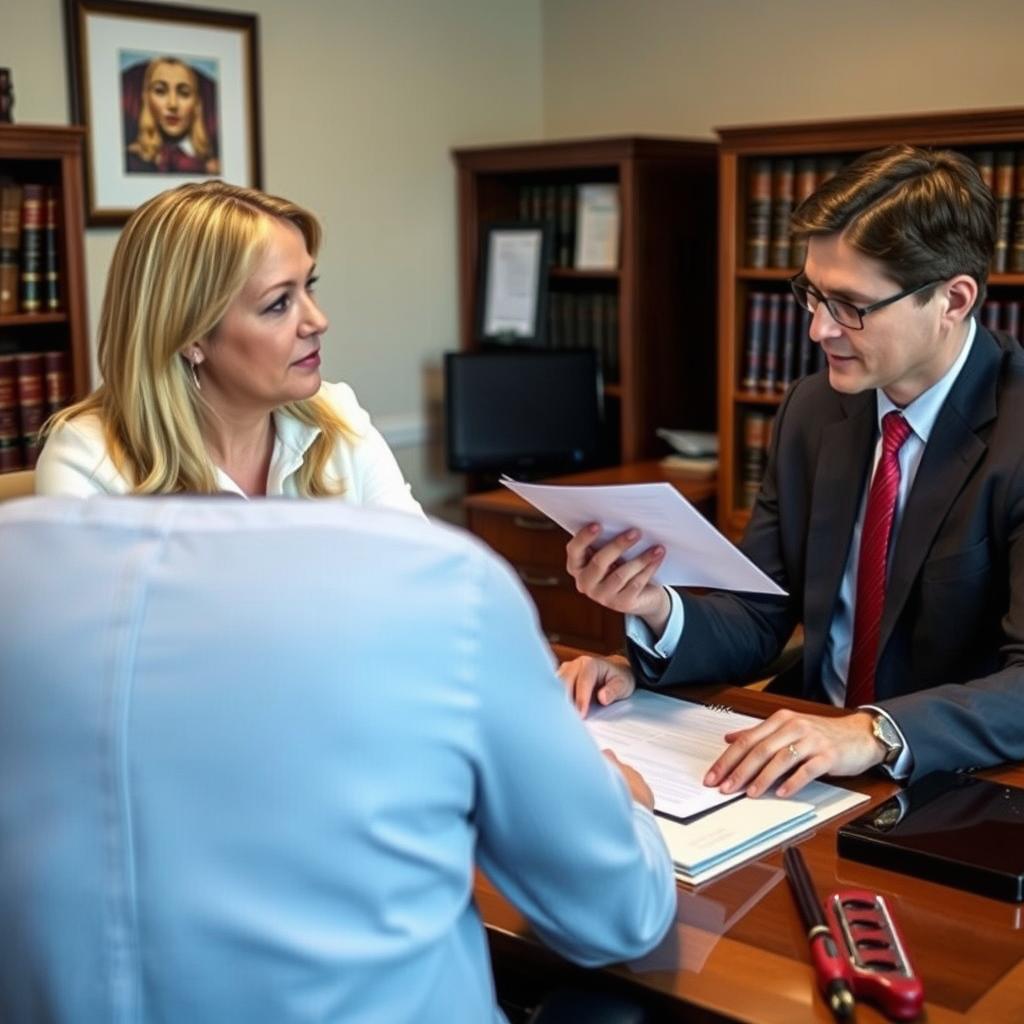
Fault Based Divorce Lawyer Fluvanna County
You need a Fault Based Divorce Lawyer Fluvanna County when your spouse’s misconduct is the cause of the marriage breakdown. Law Offices Of SRIS, P.C. —Advocacy Without Borders. Fault grounds in Virginia include adultery, cruelty, desertion, and felony conviction. Proving fault can impact alimony, property division, and custody decisions in Fluvanna County Circuit Court. (Confirmed by SRIS, P.C.)
Statutory Definition of Fault Divorce in Virginia
Virginia Code § 20-91(A) defines fault-based divorce as a Class 1 misdemeanor equivalent civil action with no criminal penalty but significant financial and custodial consequences. Fault grounds are specific, provable acts of marital misconduct that legally justify ending the marriage. Unlike a no-fault divorce, you must present clear evidence to the court. The burden of proof is on the spouse filing the complaint. You must convince a Fluvanna County judge that one of the statutory grounds exists. This legal standard requires more than mere allegations. You need documentation, witness testimony, or other corroborating evidence. A Fault Based Divorce Lawyer Fluvanna County knows how to meet this burden. The primary fault grounds are adultery, cruelty, desertion, and felony conviction. Each has specific legal elements defined by Virginia law. Understanding these definitions is the first step in your case.
What are the fault grounds for divorce in Virginia?
Virginia law recognizes five specific fault grounds for divorce. Adultery is voluntary sexual intercourse by your spouse with another person. Cruelty involves reasonable apprehension of bodily hurt or willful conduct that endangers life or health. Willful desertion is the abandonment of the marital relationship for one year or more. A felony conviction requires imprisonment for over one year with cohabitation not resumed post-release. Constructive desertion occurs when one spouse’s misconduct forces the other to leave. You must prove these grounds with evidence.
How does fault impact alimony in Virginia?
Fault is a primary factor a Virginia court considers when awarding spousal support. A spouse found guilty of adultery, cruelty, or desertion may be barred from receiving alimony. The court can also reduce the amount or duration of support based on marital misconduct. Proving fault can significantly alter the financial outcome of your divorce. This makes evidence collection critical for your fault-based case in Fluvanna County.
What is the difference between a fault and no-fault divorce?
A no-fault divorce requires a one-year separation with no cohabitation and no blame assigned. A fault divorce alleges specific marital misconduct by one spouse as the cause of the breakup. Fault divorces can be filed immediately if you have evidence, avoiding the mandatory waiting period. The process is more adversarial and requires evidentiary hearings. Choosing the right path depends on your specific circumstances and goals.
The Insider Procedural Edge in Fluvanna County
Your case is filed at the Fluvanna County Circuit Court located at 247 Main Street, Palmyra, VA 22963. This court handles all fault-based divorce filings for Fluvanna County residents. Procedural specifics for Fluvanna County are reviewed during a Consultation by appointment at our Fluvanna County Location. The filing fee for a Complaint for Divorce is set by Virginia statute. You must ensure proper service of process on your spouse. Local rules may dictate specific formatting for pleadings and evidence submission. Knowing the clerk’s preferences can prevent unnecessary delays. The court’s docket moves at a predictable pace. A local attorney understands the judges’ expectations for fault proceedings. Timelines from filing to final hearing vary based on case complexity. An uncontested fault divorce may conclude faster than a contested one. Early strategic planning is essential for efficiency. Learn more about Virginia family law services.
What is the typical timeline for a fault divorce in Fluvanna County?
A contested fault divorce in Fluvanna County can take nine months to over a year. The timeline depends on the court’s schedule, discovery disputes, and hearing availability. An uncontested fault divorce may be finalized in a few months if all paperwork is correct. Missing a deadline or filing error can add significant delay. Your attorney’s familiarity with the local clerk’s Location is a major advantage.
What are the court costs for filing a fault divorce?
Filing fees in Fluvanna County Circuit Court are mandated by state law. Additional costs include fees for serving the complaint, subpoenas, and certified copies. If your case requires depositions or experienced witnesses, those costs are extra. The total cost is directly related to how contested the divorce becomes. A lawyer can provide a clearer estimate after reviewing your case facts.
Penalties & Defense Strategies in Fault Divorce
The most common penalty in a fault divorce is the financial impact on support and asset division. A finding of fault does not result in jail time, but it carries severe civil consequences. The court uses fault to determine equitable distribution and spousal support awards. A spouse found at fault may receive a smaller share of marital property. They may also be denied alimony entirely. Child custody and visitation schedules can also be influenced by evidence of cruelty or adultery. The strategic goal is to present a compelling case or mount a vigorous defense.
| Offense | Penalty | Notes |
|---|---|---|
| Adultery | Bar to spousal support; impact on property division. | Must be proven by clear and convincing evidence. |
| Cruelty | Bar to spousal support; factor in custody decisions. | Includes physical violence or reasonable fear thereof. |
| Willful Desertion | Bar to spousal support for the deserting spouse. | Requires one full year of continuous abandonment. |
| Felony Conviction | Impact on support and property; factor in custody. | Requires sentence of more than one year. |
[Insider Insight] Fluvanna County prosecutors in juvenile and domestic relations matters, and judges in circuit court, scrutinize fault allegations closely. They expect solid, admissible evidence, not just accusations. Hearsay and circumstantial evidence alone are often insufficient. The local legal community values direct testimony and documentary proof. An experienced fault grounds for divorce lawyer Fluvanna County knows how to package evidence persuasively. Learn more about criminal defense representation.
How can I defend against false fault allegations?
You must gather evidence that contradicts the accuser’s claims. This can include alibi witnesses, communication records, or proof of reconciliation. Challenging the credibility of the accusing spouse is a common defense strategy. Your attorney will file responsive pleadings denying the allegations. In some cases, proving condonation or connivance can defeat a fault claim. A strong defense protects your financial and parental rights.
Does fault affect child custody in Virginia?
Yes, fault can affect custody if the misconduct impacts the child’s welfare. Evidence of cruelty or adultery that occurs in the child’s presence is highly relevant. The court’s primary concern is the child’s best interests. Fault that demonstrates poor moral character or instability can influence the judge’s decision. Custody evaluations often consider the context of marital misconduct.
Why Hire SRIS, P.C. for Your Fluvanna County Fault Divorce
Our lead attorney for family law matters has over a decade of focused litigation experience in Virginia courts. This attorney has handled numerous contested divorces involving complex fault allegations. They understand the precise evidence standards required in Fluvanna County Circuit Court. SRIS, P.C. has achieved favorable outcomes for clients facing difficult divorce proceedings. Our approach is strategic and evidence-driven from the first meeting.
Attorney Profile: Our seasoned family law attorney focuses on fault-based divorce litigation. This attorney is familiar with the judges and procedures in Fluvanna County. They have a track record of preparing cases that withstand judicial scrutiny. Their guidance is practical and focused on protecting your long-term interests. Learn more about personal injury claims.
We assign a dedicated legal team to each fault divorce case. This team manages evidence collection, drafting, and court appearances. We prepare every case as if it will go to trial. This preparation often leads to stronger settlement positions. Our goal is to resolve your case efficiently while safeguarding your rights. You need an advocate who is not intimidated by conflict. SRIS, P.C. provides assertive representation grounded in Virginia law.
Localized FAQs for Fault Divorce in Fluvanna County
What evidence do I need to prove adultery in Fluvanna County?
You need clear proof of opportunity and inclination. This includes photographs, communications, witness testimony, or admissions. Circumstantial evidence can be sufficient if it leads to a single conclusion. The evidence must be credible and admissible in court.
Can I get a fault divorce if we still live in the same house?
Possibly, for grounds like cruelty or adultery. Proving desertion is impossible if you cohabitate. The court examines whether a true marital relationship exists. Separate bedrooms and ceased intimacy may support your claim.
How long do I have to prove cruelty for a divorce?
There is no specific time limit, but the act must be recent enough to show an ongoing issue. A single egregious act may suffice. A pattern of behavior is stronger evidence. Document incidents as they occur. Learn more about our experienced legal team.
Will my spouse’s felony conviction commitment I win the divorce?
It establishes a fault ground, but does not commitment outcomes on property or custody. You must still prove the other elements of your case. The conviction is one factor the court considers. Your lawyer will use it to argue for a favorable settlement.
What if my spouse contests the fault allegations?
Your case becomes a contested divorce requiring evidentiary hearings. You must present your proof in court. Your attorney will cross-examine your spouse’s witnesses. The judge will decide which party is more credible.
Proximity, CTA & Disclaimer
Our legal team serves clients throughout Fluvanna County. We are accessible for residents in Palmyra, Fork Union, and surrounding areas. Consultation by appointment. Call 24/7. For fault-based divorce guidance, contact SRIS, P.C. Our attorneys are ready to review the specifics of your situation. We focus on building a compelling case based on Virginia law. Do not face these allegations or proceedings without counsel. Reach out to discuss your next steps.
Law Offices Of SRIS, P.C.
—Advocacy Without Borders.
Consultation by appointment. Call [phone]. 24/7.
Past results do not predict future outcomes.