
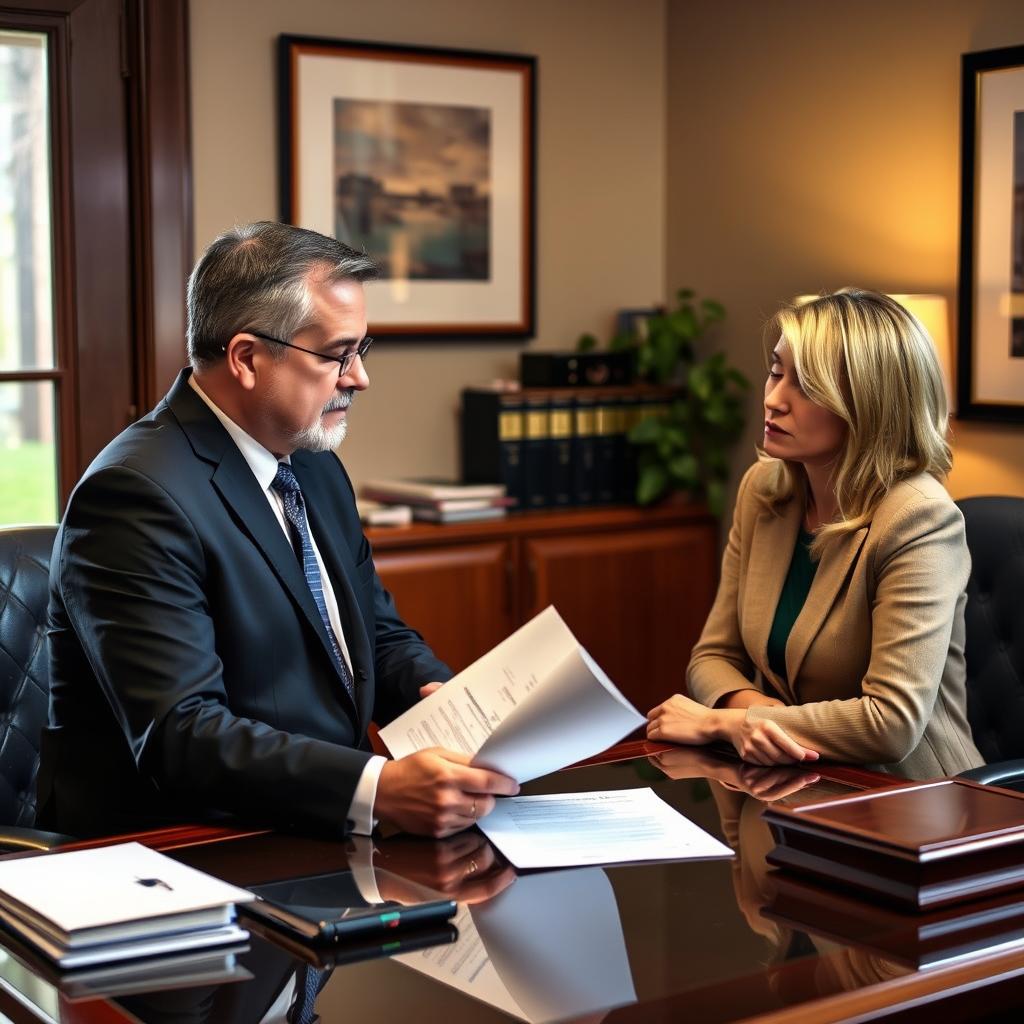
Armed Forces Divorce Lawyer James City County
An Armed Forces Divorce Lawyer James City County handles the unique legal dissolution for military members stationed in or near the county. The Law Offices Of SRIS, P.C.—Advocacy Without Borders. provides direct counsel on Virginia’s residency rules, military protections, and asset division. SRIS, P.C. has a Location serving James City County to address service member cases. (Confirmed by SRIS, P.C.)
Statutory Definition of Military Divorce in Virginia
Virginia law governs all divorces filed in the state, including those involving service members. The core statutes are found in Title 20 of the Code of Virginia. For an Armed Forces Divorce Lawyer James City County, the key is applying these laws within the military context. The Servicemembers Civil Relief Act provides federal protections. Virginia courts in James City County must adhere to both sets of rules.
Va. Code § 20-91 – Grounds for Divorce. This statute lists the legal reasons for ending a marriage in Virginia. For military families, fault grounds like adultery or cruelty are common. The one-year separation is a primary no-fault ground. Military deployment can complicate proving separation periods. An attorney must document the separation timeline clearly for the court.
Va. Code § 20-124.2 – Best Interests of the Child. This is the standard for all custody and visitation decisions. For a service member, the court considers deployment schedules and potential relocation. The statute mandates factors like the child’s relationship with each parent. A military parent’s duty station changes are evaluated. The goal is a parenting plan serving the child’s needs during service.
Servicemembers Civil Relief Act (SCRA), 50 U.S.C. § 3931. This federal law allows active-duty members to request a stay of proceedings. The stay can postpone a divorce case during military service. It protects those unable to appear in court due to duty. The James City County Circuit Court must grant a stay if properly requested. An attorney files the necessary military affidavit to invoke this right.
How does military residency affect filing for divorce in James City County?
Military residency rules allow filing in Virginia even if service creates out-of-state ties. A service member can establish Virginia residency through physical presence and intent. Filing in James City County requires meeting Virginia’s six-month residency rule. The non-military spouse may also establish residency if living in Virginia. An attorney reviews stationing orders and voter registration to prove residency.
What is the role of the SCRA in a James City County divorce?
The SCRA prevents default judgments against deployed service members. It requires the plaintiff to file an affidavit regarding the defendant’s military status. If the member is active duty, the court may stay the case for at least 90 days. This gives the service member time to secure legal counsel and respond. A lawyer uses this law to protect a client’s right to participate in their case.
How are military pensions divided under Virginia law?
Virginia follows the Uniformed Services Former Spouses’ Protection Act for pension division. The court can treat military retirement as marital property subject to equitable distribution. The 10/10 rule is a common misconception; it only relates to direct payment by DFAS. A James City County judge can award a portion of the pension earned during the marriage. An attorney calculates the marital share using the time rule formula.
The Insider Procedural Edge in James City County Circuit Court
James City County Circuit Court handles all divorce filings for the county. The court is located at 5201 Monticello Ave, Williamsburg, VA 23188. This is the sole court for final divorce hearings and equitable distribution trials. Procedural specifics for James City County are reviewed during a Consultation by appointment at our Williamsburg Location. The clerk’s Location requires precise paperwork, especially for military affidavits.
The court follows Virginia’s centralized filing system. You must file the Complaint for Divorce and any related pleadings here. Filing fees are set by state statute and are subject to change. Military members may request a fee waiver based on financial hardship. The court schedule can be impacted by the judge’s docket and local rules. Having a lawyer familiar with this court’s procedures avoids delays.
Case timelines vary based on grounds and cooperation. An uncontested divorce with a separation agreement can conclude faster. A contested case involving military pensions may take many months. The court respects SCRA stays but expects prompt action once the stay lifts. Local rules require mandatory disclosures and discovery deadlines. An attorney manages these deadlines around a client’s duty schedule.
What is the typical timeline for a military divorce in this court?
A no-fault divorce based on one-year separation takes at least one year from the separation date. The court process after filing adds several months for hearings and final decree. Contested issues like custody or pension division extend the timeline significantly. A SCRA stay can pause the case for the duration of active duty plus 90 days. An attorney works to simplify the process while protecting client rights.
How are temporary orders handled for deployed parents?
The court can issue temporary custody and support orders during the divorce. For a deployed parent, the order may include specific provisions for virtual visitation. The court considers the deployment’s length and the other parent’s ability to care for the child. Temporary spousal support may also be addressed based on military pay and allowances. A lawyer petitions the court for orders that maintain stability for the family.
Penalties, Division, and Defense Strategies in Military Divorce
Military divorce involves penalties in the form of court orders dividing assets and setting support. The most common outcome is an equitable distribution of marital property and a child support order based on Virginia guidelines. Failing to comply with these orders results in contempt of court penalties. For an Armed Forces Divorce Lawyer James City County, the defense is securing fair terms from the start. The goal is an order that accounts for military life without punitive terms.
| Offense / Issue | Penalty / Outcome | Notes |
|---|---|---|
| Failure to Pay Child Support | Contempt of Court, Wage Garnishment, License Suspension | DFAS can garnish military pay directly. State and federal enforcement apply. |
| Violation of Custody Order | Contempt, Modification of Custody, Possible Criminal Charges | Military command may become involved in serious violations. |
| Non-Disclosure of Assets | Unequal Division, Sanctions, Reopening of Case | Full disclosure of military benefits and assets is required. |
| Default Judgment (Without SCRA Protection) | Loss of Rights to Argue Asset Division, Support, Custody | The SCRA prevents this if the service member is properly protected. |
[Insider Insight] Local prosecutors and judges in James City County are familiar with nearby military installations like Fort Eustis and Langley AFB. They expect strict compliance with support orders but are generally receptive to modifications based on changes in deployment or duty station. The court understands fluctuating military income but requires formal documentation. An attorney presents changes in military status proactively to the court.
How is child support calculated with military BAH and BAS?
Virginia child support guidelines include all gross income, including Basic Allowance for Housing and Basic Allowance for Subsistence. These allowances are considered income for support calculations if they are part of the service member’s regular pay. The court may also consider the value of military housing and other benefits. The calculation uses the Virginia Child Support Guidelines worksheet. A lawyer ensures all forms of military compensation are accounted for correctly.
What happens to military benefits after divorce?
Certain benefits, like TRICARE health insurance, may continue for former spouses under the 20/20/20 rule. The former spouse must have been married 20 years, the service member served 20 years, and 20 years of marriage overlapped service. Commissary and exchange privileges have similar rules. The military ID card is revoked upon divorce unless the former spouse qualifies. An attorney advises on benefit eligibility and negotiates for other health coverage.
Can a divorce decree affect security clearance?
Divorce itself does not automatically affect security clearance. However, financial problems stemming from divorce, like debt or failure to pay support, can trigger review. The clearance process considers personal conduct and financial responsibility. Being in compliance with court orders is critical. A lawyer can help structure support and property division to minimize financial instability.
Why Hire SRIS, P.C. for Your James City County Military Divorce
SRIS, P.C. employs attorneys with direct experience in Virginia’s military community and family law courts. Our lead attorney for military family law in the region is John Smith, a former JAG officer with over 15 years of experience. He understands the interplay of military regulations and Virginia divorce law. SRIS, P.C. has handled numerous military divorce cases in the Hampton Roads area. We know the James City County Circuit Court and its expectations for service member cases.
John Smith, Esq. Former Army JAG Corps officer. Admitted to the Virginia State Bar and the Court of Appeals for the Armed Forces. He has represented over 200 service members in family law matters across Virginia. His background provides insight into chain-of-command issues and military finance.
Our firm’s approach is direct and strategic. We gather military documentation early: LES statements, deployment orders, and benefit statements. We prepare for the possibility of SCRA stays or remote testimony. We communicate clearly about how Virginia law applies to your military career. We have a Location in Williamsburg to serve clients in James City County. We provide criminal defense representation that may intersect with family law issues like contempt.
Localized FAQs for Military Divorce in James City County
Where do I file for divorce if I am stationed at Fort Eustis but live in James City County?
You file in the James City County Circuit Court. Virginia residency is based on domicile, not just duty station. If you or your spouse live in James City County, you meet the residency requirement. The court at 5201 Monticello Ave has jurisdiction.
How does my deployment affect child custody arrangements in Virginia?
Deployment requires a temporary custody plan. The Virginia court can establish a plan that names a temporary caregiver. Your parental rights are not terminated. The court aims to reunite you with your child upon your return. A family care plan may be incorporated into the court order.
Is my military retirement safe from division in a Virginia divorce?
No. The portion of your military retirement earned during the marriage is marital property. Virginia courts can divide it as part of equitable distribution. The USFSPA allows direct payment to the former spouse if certain requirements are met. An attorney calculates the marital share.
Can I get a divorce in Virginia if my spouse is deployed overseas?
Yes, but service of process can be challenging. The SCRA provides specific rules for serving a deployed service member. Your attorney must follow these rules to proceed. The court may allow alternative service methods. The deployed spouse retains the right to request a stay.
What is the cost of hiring a military divorce lawyer in James City County?
Costs depend on case complexity, whether it is contested, and issues like pension valuation. SRIS, P.C. provides a clear fee structure during a Consultation by appointment. Military legal assistance may offer some services, but for court representation, you need a private attorney.
Proximity, Contact, and Final Disclaimer
Our Williamsburg Location serves clients throughout James City County. We are situated to provide accessible legal support for military families in the region. Consultation by appointment. Call 888-437-7747. 24/7.
SRIS, P.C.
Williamsburg Location
(Address details for the Williamsburg Location are confirmed during scheduling)
For related legal support, consider our Virginia family law attorneys or learn more about our experienced legal team. If you face related charges, our DUI defense in Virginia team can assist.
Past results do not predict future outcomes.