
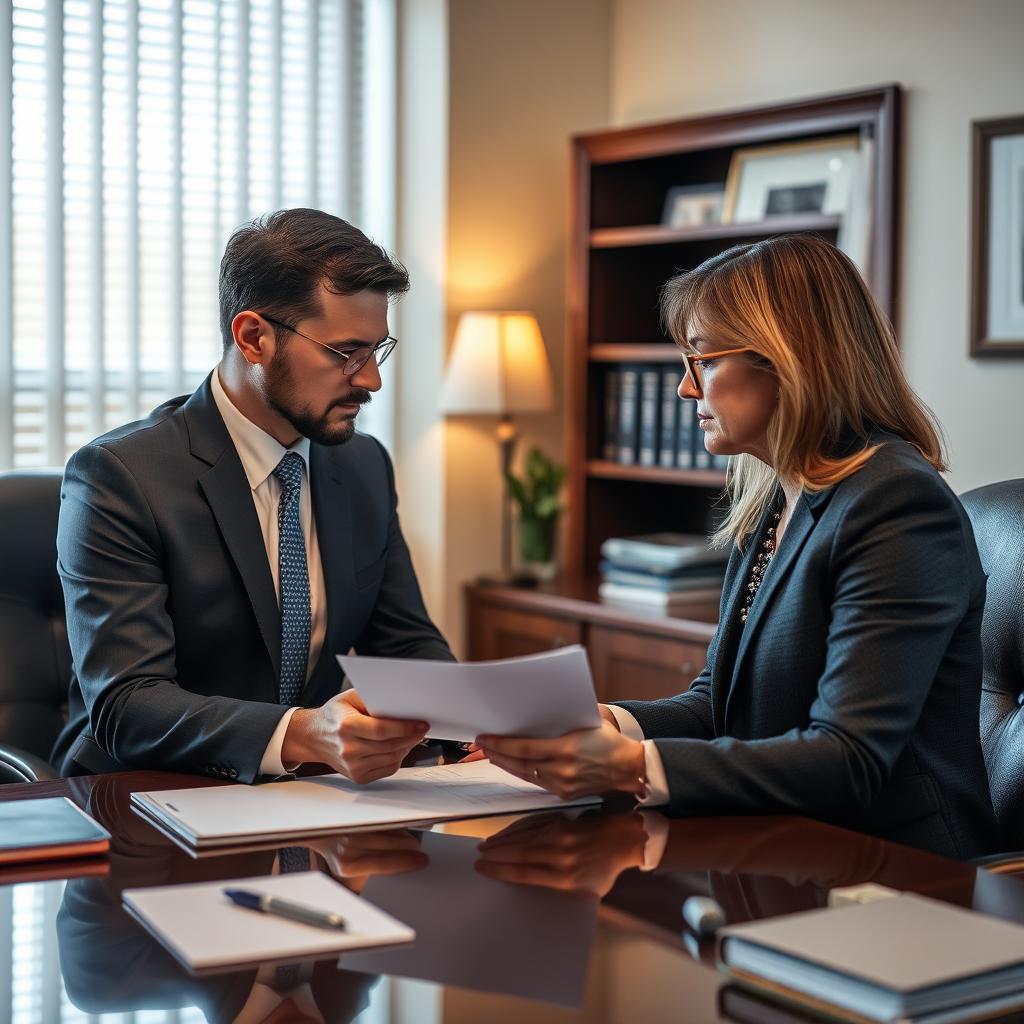
Alimony Enforcement Lawyer Fluvanna County
An Alimony Enforcement Lawyer Fluvanna County handles court actions to compel payment of court-ordered spousal support. Law Offices Of SRIS, P.C. —Advocacy Without Borders. can file a Rule to Show Cause for contempt in Fluvanna County Circuit Court. This legal action seeks to enforce the existing order and secure owed payments. (Confirmed by SRIS, P.C.)
Statutory Definition of Alimony Enforcement in Virginia
Enforcing an alimony order in Virginia is governed by specific statutes. The primary mechanism is a contempt proceeding. This action is filed against a party who willfully disobeys a court order. The goal is to secure compliance and payment of arrears. An Alimony Enforcement Lawyer Fluvanna County uses these statutes to protect your rights. The court has broad authority to enforce its own decrees.
Va. Code § 20-112 — Civil Contempt — Penalties include incarceration, fines, and attorney’s fees. This statute provides the court’s power to punish for disobedience of any court order. This includes orders for spousal support. The court may impose coercive sanctions to compel payment. These sanctions are civil, not criminal, in nature. The objective is to obtain compliance with the original decree.
Virginia law treats alimony as a continuing legal obligation. Non-payment is a breach of a court order. The payee has the right to seek judicial intervention. The process begins with filing a petition or motion. The court will schedule a hearing to determine if contempt occurred. An experienced attorney is critical for handling this process.
What is the legal basis for enforcing alimony?
The legal basis is the court’s inherent contempt power. Every court has the authority to enforce its own orders. Va. Code § 20-112 codifies this power for family law matters. The order for spousal support is a mandate from the court. Willful failure to comply is an act of contempt. The court can use its power to force payment.
How does Virginia define willful non-payment?
Willful non-payment means a deliberate refusal to pay. It is not based on an inability to pay. The court examines the payor’s actions and financial capacity. Proof of income and assets is required. Ignoring the order or making partial payments can be willful. The burden of proof is on the party seeking enforcement.
What other statutes support enforcement actions?
Va. Code § 20-107.3 addresses enforcement of support orders. It allows for income withholding orders. It also permits the interception of tax refunds. The Virginia Department of Social Services can assist in some cases. A private attorney can use all available statutory tools. SRIS, P.C. utilizes every legal avenue for clients.
The Insider Procedural Edge in Fluvanna County
Fluvanna County Circuit Court, located at 247 Main Street, Palmyra, VA 22963, handles alimony enforcement contempt hearings. You file a Petition for Rule to Show Cause in the same court that issued the original support order. The filing fee for a civil action like this is typically $84. The court clerk will issue the Rule, setting a hearing date. The respondent must be formally served with the court papers. Failure to appear can result in a bench warrant.
Fluvanna County Circuit Court expects strict adherence to local rules. All motions must follow specific formatting requirements. Supporting documents, like payment records, must be organized. The court calendar can have delays, so persistence is key. Having a local attorney who knows the clerks and judges is an advantage. SRIS, P.C. understands the procedural nuances of this court.
The timeline from filing to hearing can vary. It often takes several weeks to get a court date. The hearing itself is where you present evidence of non-payment. This includes bank statements, cancelled checks, or lack thereof. The judge will hear arguments from both sides. A ruling may be issued at the hearing or taken under advisement.
What is the exact filing process in Fluvanna?
You file a Petition for Rule to Show Cause with the Circuit Court clerk. The petition details the order violated and the amount owed. You must provide a certified copy of the original support order. The clerk assigns a case number and issues the Rule. The sheriff or a process server then delivers the documents. Your attorney handles all these steps for you.
How long does an enforcement action take?
An enforcement action typically takes 60 to 90 days. The timeline depends on court scheduling and service of process. If the respondent contests the petition, it may take longer. Emergency motions can be filed in cases of extreme hardship. The goal is to resolve the matter as swiftly as possible. SRIS, P.C. works to expedite the process for clients.
What are the local court’s expectations?
The Fluvanna County Circuit Court expects clear documentation. Judges want to see a complete payment history. They prefer concise legal arguments from attorneys. Being prepared and professional is paramount. Understanding the judge’s preferences on procedure matters. Our attorneys prepare every case to meet these expectations.
Penalties & Defense Strategies for Non-Payment
The most common penalty range for contempt in Fluvanna County is a coercive fine and potential jail time up to 10 days. The court’s primary goal is to compel payment, not solely to punish. Penalties are designed to force compliance with the original order. The judge has significant discretion in determining the appropriate sanction. The table below outlines potential penalties.
| Offense | Penalty | Notes |
|---|---|---|
| Civil Contempt for Non-Payment | Incarceration up to 10 days | Coercive, released upon payment of purge amount. |
| Civil Contempt for Non-Payment | Fine up to $250 | Per occurrence of non-payment. |
| Attorney’s Fees | Court-ordered payment | Fees incurred to enforce the order may be awarded. |
| Income Withholding Order | Direct deduction from wages | Implemented to ensure future payments. |
| Property Liens | Lien placed on real estate | Secures the debt against property assets. |
[Insider Insight] Fluvanna County prosecutors and judges typically view willful non-support seriously. They are often receptive to clear evidence of deliberate avoidance. Demonstrating a pattern of non-payment strengthens the case for contempt. The court may be less sympathetic to claims of sudden financial hardship without documentation. Preparation of a detailed financial affidavit is crucial for the respondent.
Defense strategies often focus on proving inability to pay. The respondent must show a material change in circumstances. Job loss, disability, or severe illness can be valid defenses. The key is to petition to modify support before arrears accumulate. Simply ignoring the order is not a defense. An attorney can help present a compelling case for modification.
What is the range of jail time for contempt?
Jail time for civil contempt is typically up to 10 days. It is not a criminal sentence. The purpose is to coerce payment, not to punish. The jailed individual holds the keys to their release. They can purge the contempt by paying the court-ordered amount. The court determines the purge amount at the hearing.
Can the court seize tax refunds or wages?
Yes, the court can order income withholding. This is a common enforcement tool. It requires the payor’s employer to deduct support from wages. The court can also intercept state and federal tax refunds. These are administrative remedies that require proper filing. An enforce alimony order lawyer Fluvanna County can initiate these actions.
What are common defenses to enforcement?
Common defenses include actual inability to pay. The respondent must prove a legitimate financial change. Another defense is that the order is vague or invalid. Payment may have been made through indirect means. The recipient may have waived enforcement in the past. A skilled attorney evaluates all potential defenses.
Why Hire SRIS, P.C. for Alimony Enforcement
Our lead attorney for family law enforcement in Fluvanna County is a seasoned litigator with over a decade of Virginia court experience. This attorney has successfully argued numerous contempt motions. They understand the precise legal standards required by Fluvanna judges. SRIS, P.C. has secured favorable outcomes for clients seeking to enforce spousal support. We approach each case with a strategic focus on results.
Attorney Profile: Our Fluvanna County family law attorney focuses on enforcement actions. This attorney is familiar with all local judges and procedural rules. They have a track record of preparing airtight petitions for Rules to Show Cause. The attorney’s practice is dedicated to Virginia family law matters. This specific experience is invaluable in court.
SRIS, P.C. provides criminal defense representation and family law advocacy. Our firm’s structure allows for collaborative case strategy. We have resources to investigate a payor’s true financial situation. We prepare every case as if it is going to trial. This thoroughness often leads to favorable settlements. We protect our clients’ financial interests aggressively.
The firm’s approach is direct and client-focused. We explain the process and likely outcomes clearly. We do not make unrealistic promises. We provide a realistic assessment of your enforcement case. Our goal is to secure the support you are owed efficiently. You can review our experienced legal team for more information.
Localized FAQs on Alimony Enforcement in Fluvanna County
How do I start enforcing an alimony order in Fluvanna County?
You file a Petition for Rule to Show Cause in Fluvanna County Circuit Court. An unpaid spousal support lawyer Fluvanna County gathers your order and payment records. The attorney drafts and files the necessary legal paperwork. The court then schedules a contempt hearing.
What evidence do I need to prove non-payment?
You need the original court order for spousal support. Provide bank statements showing no deposits for the support amount. Keep any written communication about missed payments. A payment ledger documenting all arrears is essential evidence for court.
Can I get my attorney’s fees paid by the other side?
The court can order the non-paying party to pay your attorney’s fees. This is common in successful contempt actions. The judge considers the willfulness of the non-payment. Fee awards are at the court’s discretion based on the case facts.
What if the person who owes alimony lives out of state?
Interstate enforcement uses the Uniform Interstate Family Support Act (UIFSA). Your Fluvanna County order can be registered in the payor’s state. An attorney coordinates with officials in the other jurisdiction. The process is more complex but enforceable.
How long do I have to collect back-due alimony?
Virginia has a statute of limitations for enforcing arrears. Generally, you can collect unpaid amounts for up to ten years. The clock may start from each missed payment date. Consult an attorney immediately to protect your rights.
Proximity, CTA & Disclaimer
Our Fluvanna County Location serves clients throughout the region. We are accessible for residents of Palmyra, Fork Union, and Columbia. The Fluvanna County Courthouse is the central venue for enforcement actions. Consultation by appointment. Call 888-437-7747. 24/7.
Law Offices Of SRIS, P.C.—Advocacy Without Borders.
For specific directions and scheduling, contact our team directly. Our attorneys are prepared to discuss your alimony enforcement case. We offer a clear assessment of your legal options. Immediate action can prevent further financial loss. Do not delay in seeking enforcement of your court order.
Past results do not predict future outcomes.