
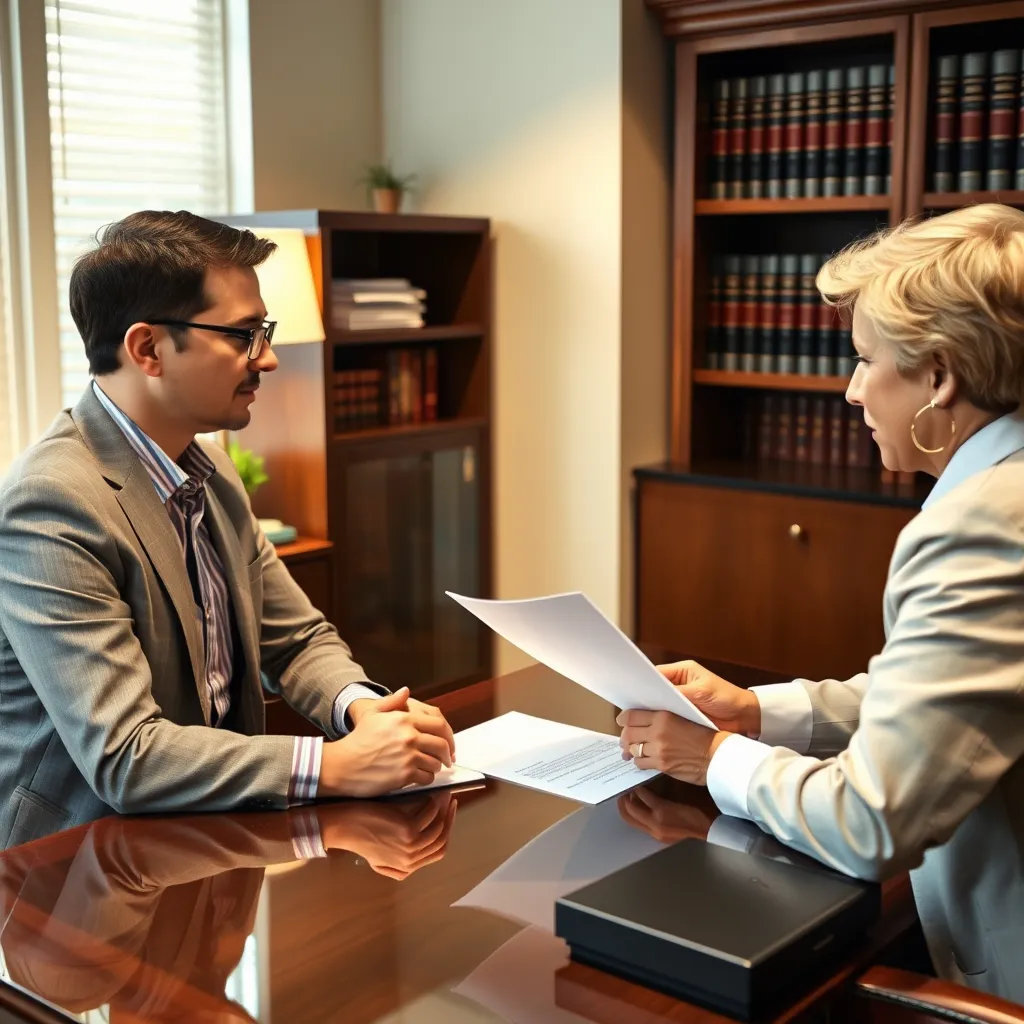
Note: This article is confirmed by Law Offices Of SRIS, P.C.
WRITTEN BY: Mr. Sris
Since 1997, Mr. Sris has led the firm, focusing on the most challenging criminal and family law cases… His background in accounting and information management aids in financial and technology-related cases… Involved in significant legislative changes in Virginia.
Insight: My focus since founding the firm in 1997 has always been directed towards personally handling the most challenging and involved criminal and family law matters our clients face.
Insight: I find my background in accounting and information management provides a unique advantage when handling the intricate financial and technological aspects inherent in many modern legal cases.
Insight: As someone deeply involved in the community, I believe it’s important to not only practice law but also to actively participate in shaping it, which is why I dedicated effort towards amending Virginia Code § 20-107.3 and achieving state recognition for cultural milestones.
Divorce Decree Modification Lawyer Herndon VA
What is Divorce Judgment Change
Modifying a divorce decree means legally changing the terms established in your final divorce judgment. This legal process allows adjustments to arrangements that no longer work due to changed circumstances. Common modifications involve child custody, visitation schedules, child support amounts, spousal support payments, or property division terms. The court must approve any changes to ensure they serve the best interests of affected parties, particularly children.
Virginia law requires demonstrating substantial changes in circumstances to justify modifying a divorce decree. This means showing significant differences from when the original judgment was made. Examples include job loss, income changes, relocation, health issues, or changes in children’s needs. The court examines whether modifications would serve the best interests of children and whether circumstances warrant altering the original agreement.
Legal procedures for modification involve filing petitions with the court that issued the original divorce decree. Documentation must support claims of changed circumstances. Evidence may include financial records, medical reports, school records, or employment documents. The process requires following specific court rules and deadlines. Proper legal representation helps ensure all requirements are met and your position is effectively presented.
Professional legal insight helps determine whether your situation qualifies for modification under Virginia law. Attorneys evaluate the strength of your case, gather necessary evidence, and develop legal arguments. They understand what courts consider substantial changes and how to present your case effectively. Legal guidance helps avoid procedural errors that could delay or jeopardize your modification request.
How to Modify Divorce Decree
The process for modifying a divorce decree follows established legal procedures in Virginia. First, determine whether your circumstances meet the legal standard for modification. This involves reviewing the original decree and documenting changes that have occurred since its issuance. Common qualifying changes include significant income fluctuations, job loss, medical conditions, relocation, or changes in children’s educational or medical needs.
Next, prepare and file a petition for modification with the court that issued the original divorce decree. This legal document outlines requested changes and reasons supporting modification. It must comply with court formatting rules and include all required information. Filing fees apply, and you must serve copies to the other party according to legal requirements. Missing deadlines or improper service can delay proceedings.
Gathering evidence represents a vital step in the modification process. Documentation should demonstrate substantial changes in circumstances. Financial evidence may include tax returns, pay stubs, bank statements, or expense records. For custody modifications, school records, medical reports, or testimony from professionals may be necessary. Organizing evidence clearly helps the court understand why modifications are needed.
Court hearings allow both parties to present their positions. The judge reviews evidence, hears testimony, and considers legal arguments. Preparation involves developing clear arguments, anticipating counterarguments, and understanding how courts typically rule on similar cases. Legal representation helps present your case effectively and respond to challenges from the other party.
Legal strategy focuses on demonstrating how changed circumstances affect the original agreement’s fairness or children’s wellbeing. Attorneys help frame arguments in terms courts find persuasive. They ensure all procedural requirements are met and deadlines are observed. Professional guidance increases the likelihood of achieving desired modifications while protecting your rights throughout the process.
Can I Change My Divorce Agreement
Changing a divorce agreement depends on whether circumstances have substantially changed since the original judgment. Virginia law allows modifications when changes affect the fairness or practicality of existing arrangements. Common situations include income changes affecting support obligations, relocation impacting custody or visitation, health issues requiring different arrangements, or children’s evolving needs.
For child-related modifications, courts prioritize children’s best interests. Changes to custody or visitation require showing how modifications would benefit children. Evidence might include school performance changes, medical needs, or relationship developments with parents. Support modifications require demonstrating financial changes that make current amounts unreasonable or unworkable.
Property division modifications face stricter standards. Generally, property settlements are final unless fraud, mistake, or other extraordinary circumstances exist. However, some property-related matters like mortgage payments or maintenance responsibilities might be modifiable under certain conditions. Legal analysis determines what aspects of your agreement might qualify for changes.
The process begins with legal evaluation of your circumstances. Attorneys review your original agreement, document changes, and assess whether they meet legal standards. They explain what evidence you need and how courts typically view similar situations. This evaluation helps you understand your options and likelihood of success before investing time and resources in modification proceedings.
If modification appears justified, legal representation helps handle the process. Attorneys prepare petitions, gather evidence, and represent you in court. They ensure all legal requirements are met and present your case persuasively. Even if the other party opposes changes, proper legal arguments and evidence can support your position before the court.
Why Hire Legal Help for Modification
Legal assistance provides significant benefits when seeking divorce decree modifications. Attorneys understand Virginia’s legal standards for modifications and what evidence courts find persuasive. They know how to frame arguments in terms that resonate with judges and comply with legal requirements. This knowledge helps present your case effectively and increases the likelihood of achieving desired changes.
Professional representation helps avoid procedural errors that can delay or derail modification requests. Courts have specific rules about filing deadlines, document formats, service requirements, and hearing procedures. Missing deadlines or improper filings can result in case dismissal or unnecessary delays. Attorneys ensure all procedural requirements are met, keeping your case moving forward efficiently.
Evidence preparation benefits from legal experience. Attorneys know what documentation courts typically require for different types of modifications. They help gather financial records, medical reports, school documents, or other evidence supporting your position. Proper organization and presentation of evidence makes your case more compelling to the court.
Negotiation skills can help reach agreements without court hearings. Many modifications are resolved through negotiation between parties. Attorneys facilitate discussions, propose solutions, and help reach mutually acceptable arrangements. When agreements are reached, they prepare proper documentation for court approval. This approach can save time, reduce costs, and minimize conflict.
Court representation ensures your position is effectively presented during hearings. Attorneys develop legal arguments, examine witnesses, respond to challenges, and advocate for your interests. They understand courtroom procedures and how to communicate effectively with judges. This representation is particularly valuable when the other party opposes modifications or has legal representation themselves.
Legal protection extends throughout the modification process. Attorneys ensure your rights are protected, agreements are properly documented, and court orders are correctly implemented. They help you understand the implications of proposed changes and make informed decisions. This protection provides peace of mind during what can be a stressful legal process.
FAQ:
1. What changes qualify for divorce decree modification in Virginia?
Substantial changes in circumstances like income shifts, relocation, health issues, or children’s needs may qualify for modification under Virginia law.
2. How long does the modification process take in Herndon courts?
Modification timelines vary but typically take several months depending on court schedules, case challenge, and whether parties reach agreements.
3. Can I modify child custody arrangements after divorce?
Yes, custody modifications are possible when changes serve children’s best interests and circumstances have substantially changed since the original order.
4. What evidence do I need for support modification requests?
Financial documents like tax returns, pay stubs, expense records, and evidence of changed circumstances support modification requests.
5. Can property division be changed after divorce in Virginia?
Property division is generally final but exceptions exist for fraud, mistake, or extraordinary circumstances affecting the original agreement.
6. How much does it cost to modify a divorce decree?
Costs vary based on case challenge, attorney fees, court fees, and whether hearings are required. Many attorneys offer initial consultations.
7. What if my ex-spouse opposes the modifications I want?
When opposition occurs, the court hears both sides and decides based on evidence and legal standards for modification approvals.
8. Can I modify spousal support payments in Virginia?
Yes, spousal support modifications are possible when financial circumstances have substantially changed since the original support order.
9. Do I need to go to court for all modifications?
Some modifications are agreed upon through negotiation and only require court approval without full hearings when both parties consent.
10. How often can I request modifications to my divorce decree?
There’s no set limit, but courts expect substantial new changes for subsequent modification requests after previous denials.
11. What happens if I move out of Virginia after divorce?
Jurisdiction issues may arise, but the original Virginia court often retains authority over modifications unless special circumstances apply.
12. Can modifications be made temporary or experimental?
Courts sometimes order temporary modifications or trial periods to test new arrangements before making permanent changes.
Past results do not predict future outcomes